Life After 55 in the Dominican Republic: What if life after 55 isn’t about slowing down… but finally having the freedom to live life on your terms and create a new you?
For many of us, our 50s and 60s arrive after decades of working, raising families, paying bills, meeting deadlines and repeatedly telling ourselves:
“One day, I’ll have time to…”
One day I’ll travel more.
One day I’ll get fitter.
One day I’ll learn Spanish.
One day I’ll pick up that guitar again.
One day I’ll live somewhere warm.
One day I’ll spend more time outdoors.
One day I’ll finally do something for me….🌴 Maybe one day is now.
For people considering retirement in the Dominican Republic, relocating here or perhaps buying property in the Dominican Republic, the attraction goes much deeper than palm trees, beaches and tropical weather.
The Dominican Republic can offer something even more valuable: An opportunity to redesign the way you live.
It won’t happen automatically simply because you move here. But with the right mindset, good planning and sensible decisions, this incredible Caribbean country can provide a wonderful environment in which to create your next chapter.
And after more than three decades of living here, there’s one thing I can tell you: Life certainly doesn’t have to become boring after 55! ❤️
🌅 START YOUR DAY DIFFERENTLY
One of the wonderful things about living in the Dominican Republic is how easy it can be to spend more time outside.
Instead of immediately reaching for your phone, checking emails or disappearing into the digital world, imagine beginning your morning with a little silence.
Open the door.
Feel the warm air.
Listen to the birds.
Take a walk.
Watch the neighborhood slowly come alive.
Spend a few minutes being grateful for where you are and what you have.
Start Your Day Differently
🐕 If you’ve got a dog, even better — you’ll have someone making absolutely certain that the morning walk isn’t optional!
Then move your body.
Stretch. Walk. Swim. Try some light weights or calisthenics. You don’t have to become a gym fanatic or train like you’re entering Mr. Universe.
Just turn up every day and keep moving.
Regular physical activity isn’t only about looking better. It’s associated with benefits for cardiovascular health, strength, mobility, sleep, mood and cognitive health — all things that become increasingly important as we get older.
Consistency beats occasional heroics.
Twenty or thirty minutes that you actually do is infinitely more useful than the perfect exercise programme that you never start.
🌴 MAKE THE DOMINICAN REPUBLIC YOUR GYM
Who decided exercise has to take place inside four walls? Look around you.
🏖️ Walk along the beach.
🌊 Swim in the ocean.
🎾 Play tennis, pickleball or padel.
⛳ Take up golf.
🚴 Go cycling or mountain biking.
🥾 Explore hiking trails and the Dominican countryside.
🤿 Try diving or snorkelling.
🏄 Learn to surf, windsurf, kitesurf or paddleboard.
🧘 Try yoga, aerobics or mobility exercises.
Living on the North Coast of the Dominican Republic, particularly around Sosúa, Cabarete and Encuentro, puts an extraordinary variety of outdoor activities within relatively easy reach. Cabarete is internationally known for watersports, Encuentro for surfing, while the wider North Coast offers beaches, mountains, rivers and countryside.
You don’t have to do everything – Find one or two things you genuinely enjoy. Because the exercise you enjoy is usually the exercise you’ll continue doing.
💧 SMALL HEALTH HABITS CAN MAKE A BIG DIFFERENCE
Life After 55 in the Dominican Republic
Living healthier doesn’t necessarily mean completely reinventing yourself overnight. Often, it’s about the small decisions you make repeatedly.
Drink enough water.
Move every day.
Eat plenty of whole and minimally processed foods.
Get enough protein.
Eat vegetables and fruit.
Sleep properly.
Keep your weight under control.
Limit excessive sugar and alcohol.
And take advantage of some of the wonderful fresh ingredients available locally.
The Dominican Republic makes it relatively easy to find fresh tropical fruits, vegetables, eggs, fish, avocado, cacao, coconut and many other simple foods.
🥑🥥🍍🥭🍫
🍋 Lime Water
Fresh lime squeezed into cold water is refreshing in a tropical climate and adds flavour, vitamin C and a small amount of minerals such as potassium. It’s a great way to make water more appealing if it encourages you to drink more.
🧄 Garlic
Garlic has been eaten and used traditionally for thousands of years and contains sulfur compounds, including those produced when fresh garlic is chopped or crushed. Research has associated garlic consumption with potential cardiovascular benefits, including modest effects on blood pressure and cholesterol in some people.
🌿 Turmeric
Turmeric contains curcumin, a compound widely studied for its anti-inflammatory and antioxidant properties. Use turmeric in cooking, curries, soups, eggs or warm drinks. Black pepper is often paired with turmeric because piperine can increase curcumin absorption.
🍯 Honey
Natural honey contains sugars alongside small amounts of antioxidants and other plant compounds. It’s still sugar, so moderation matters, but a little honey can be a pleasant alternative to heavily processed sweets and makes a wonderful addition to yoghurt, fruit or certain drinks. And local Dominican honey can be absolutely delicious.
🥥 Coconut
Coconuts are everywhere in the Caribbean, and coconut water naturally contains potassium and other electrolytes. It’s refreshing after activity, although it tends to contain relatively little sodium compared with what may be lost through heavy sweating. Coconut flesh also provides fibre and minerals.
🫒 Olive Oil & Oil Pulling
Extra-virgin olive oil is a cornerstone of the Mediterranean dietary pattern and is a useful source of monounsaturated fats and plant compounds. Use it on salads, vegetables and in appropriate cooking rather than thinking of it as a supplement.
Oil pulling — swishing oil around the mouth before spitting it out — is a traditional practice that some people enjoy as part of their oral-care routine. Never swallow the oil after pulling.
🍫 THE ONE EVERYONE WILL LIKE — DARK CHOCOLATE!
Here’s a health habit that doesn’t feel much like punishment. Cacao contains flavanols and other plant compounds that have been studied for their effects on cardiovascular health.
Choosing high-cacao dark chocolate — around 85–90% cacao — generally means less sugar and more cacao than conventional milk chocolate. A couple of squares can make a satisfying treat without turning dessert into a sugar festival. And given that cacao actually grows here in the Dominican Republic, there’s something rather appropriate about it. 🇩🇴🍫
The key word, as with almost everything, is moderation.
😴 SOMETIMES THE HEALTHIEST THING YOU CAN DO IS… NOTHING
Sleep doesn’t get nearly enough credit. As we get older, recovery matters.Good sleep supports physical health, immune function, memory, concentration and emotional well-being. So create a comfortable bedroom, develop a sensible sleep routine and give your body time to recover.
And if one afternoon you’re sitting under a palm tree with absolutely nothing urgent to do and fancy a nap?
Take the nap – You’re in the Caribbean – You’ve earned it. 😴🌴
🧠 LIFE AFTER 55 IN THE DOMINICAN REPUBLIC – EXERCISE YOUR BRAIN TOO
We talk endlessly about exercising the body as we age. But don’t forget your brain. One of the great opportunities that comes with moving to another country is that suddenly there’s so much to learn.
🇩🇴 Learn Spanish.
Even if you never become completely fluent, learning another language challenges the brain and, more importantly, changes your experience of living here. Suddenly you’re talking to your Dominican neighbours. You’re understanding conversations. You’re joking with people. You’re ordering confidently in restaurants. You’re participating rather than simply observing.
And don’t stop there.
You’re never too old to set another goal or to dream a new dream
🎸 Learn an instrument.
✍️ Start writing.
🎨 Paint or draw.
🌱 Grow something.
📷 Learn photography.
🏺 Try pottery.
👨🍳 Learn to cook Dominican food.
💻 Learn about new technology.
🎶 Learn to dance Merengue, Bachata & Salsa
We have access to more knowledge today than at any other point in human history – So push the envelope.
Try something you’ve always wondered whether you could do – You might surprise yourself.
🧠❤️ WHAT ABOUT DOPAMINE & SEROTONIN?
There’s another fascinating piece to this puzzle. Our brains use chemical messengers called neurotransmitters, including dopamine and serotonin, in systems involved in motivation, reward, learning, mood and well-being.
The popular description of dopamine as simply the “pleasure chemical” and serotonin as the “happiness chemical” is an oversimplification — both have complex roles throughout the brain and body.
But there’s a useful broader lesson.
Regular exercise, adequate sleep, social connection, learning, enjoyable activities, time outdoors and having meaningful goals are all associated in different ways with better physical and psychological wellbeing.
So rather than trying to “hack” individual brain chemicals, concentrate on building a lifestyle that gives your brain and body the conditions they need to function well.
Or, in simpler terms: Move. Learn. Connect. Laugh. Sleep. Explore. Have something to look forward to. That’s a pretty good prescription for life at any age. ❤️
❤️ RETIREMENT DOESN’T MEAN RETIRING FROM LIFE
For decades, work often gives us structure. People need us. There are meetings to attend, problems to solve and deadlines to meet. Then suddenly…You retire. Now what?
For some people, that’s liberating. For others, losing that structure can be surprisingly difficult. So find something that needs you.
🐕 Help animals.
❤️ Volunteer.
🤝 Support a local organisation.
👨👩👧 Help your family.
🧠 Mentor someone younger.
🌱 Grow a garden.
🎸 Join other musicians.
💼 Start a small business or project.
🥳 Entertain friends.
🇩🇴 Learn Spanish and become involved in the country you’ve chosen to call home.
And don’t spend your entire Dominican life inside an expat bubble. One of the great pleasures of living here is meeting Dominicans and people from all over the world. Different languages. Different cultures. Different food. Different perspectives. Different stories.
Stay curious. Stay connected. Keep learning – Purpose doesn’t have an expiry date.
🏡 THINKING OF MOVING TO THE DOMINICAN REPUBLIC AFTER 55? PLAN THE LIFE — NOT JUST THE HOUSE
This is where lifestyle and Dominican Republic real estate come together. It’s incredibly easy to fall in love with a beautiful villa, ocean-view condo or tropical garden. But if you’re considering buying a house in the Dominican Republic, particularly as your long-term or retirement home, don’t only ask:
Life After 55 in the Dominican Republic
“Do I love this property?”
Ask:
“Will this property still work for the life I want 10 or 20 years from now?”
That’s a very different question.
Consider:
🏠 Accessibility — How many stairs are there? Could you comfortably live here if your mobility changed?
🔐 Security — Would you prefer a gated community, condominium development or independent home?
⚡ Backup power — What happens during an electricity outage?
💧 Water — How reliable is the supply and what backup systems exist?
🛠️ Maintenance — A huge tropical garden and swimming pool look wonderful, but who is going to maintain them?
🏥 Healthcare — How far are you from doctors, clinics, pharmacies and hospitals?
🛒 Convenience — Are supermarkets, banks, restaurants and everyday services within easy reach?
✈️ Airport access — How easy will it be for friends and family to visit?
🤝 Community — Are there opportunities to meet people and build friendships?
💰 Running costs — What will HOA fees, insurance, electricity, maintenance, staff and repairs realistically cost?
These considerations are particularly important when searching for retirement property in the Dominican Republic. Don’t simply buy the house you love today. Buy with tomorrow in mind.
📍 LOCATION, LOCATION… AND LIFESTYLE
Location becomes even more important when you’re relocating internationally. Here on the North Coast of the Dominican Republic, areas including Sosúa, Cabarete, Encuentro, Puerto Plata, Playa Dorada, Costambar and Río San Juan each offer something different. Some buyers want an ocean-view condo. Others want a private villa with a pool. Some want to walk to restaurants and the beach. Others prefer the security and services offered by one of the North Coast’s established gated communities. Some buyers prioritise rental potential. Others are searching purely for their forever home.
There isn’t one “best” place for everybody.
The key is matching the property, location, community and budget to the lifestyle you actually want.
That’s why anyone buying real estate in the Dominican Republic should ideally spend time understanding different communities before making a decision.
💰 DON’T JUST MAKE SURE YOU CAN AFFORD THE HOUSE — MAKE SURE YOU CAN AFFORD THE LIFE
This may be one of the most important pieces of advice in this entire article. If you’re planning to retire in the Dominican Republic, don’t calculate your budget based solely on the purchase price of your property. Think about the complete picture.
Property maintenance.
HOA fees.
Electricity.
Internet.
Insurance.
Healthcare.
Transport.
Household help.
Pool and garden maintenance.
Travel.
Entertainment.
Emergency reserves.
And the occasional unexpected expense — because even paradise occasionally throws you a curveball.
Research any tax benefits or concessions that may apply to your circumstances and always obtain current advice from an appropriately qualified Dominican lawyer, accountant or tax professional.
Financial peace of mind is a very important part of enjoying paradise.
🤝 GET THE RIGHT PEOPLE AROUND YOU
Phil & Tay – DR Property Guys
Moving to another country means learning a different system. Things aren’t necessarily better or worse. They’re simply different. And that applies when purchasing real estate in the Dominican Republic too.
A knowledgeable real estate professional, independent lawyer and other trusted local professionals can help you understand the buying process, title due diligence, communities, property ownership costs and the practical realities that aren’t always obvious during a week’s vacation.
Good local knowledge can save you time, money, frustration and potentially costly mistakes. And sometimes knowing which property not to buy is every bit as important as finding the right one.
🌴 YOUR NEXT CHAPTER CAN START NOW
Moving to the Dominican Republic after 55 isn’t magically going to change your life. But it can give you an extraordinary environment in which to change it yourself.
Move more.
🥑 Eat better.
🧠 Learn something new.
🌎 Meet people from different countries.
❤️ Find purpose.
🩺 Look after your health.
💰 Protect your finances.
🏡 Choose your home intelligently.
🇩🇴 Embrace the country and its culture.
🎸 And finally try that thing you’ve been telling yourself you’ll do “one day.”
Because after 30 or 40 years of saying “one day”, perhaps it’s worth asking yourself:
Why not today?
There’s a wonderful old saying:
“The best time to plant a tree was 20 years ago. The second-best time is now.” 🌳
Maybe the same applies to creating the life you’ve always wanted.
🏡 THINKING ABOUT BUYING PROPERTY IN THE DOMINICAN REPUBLIC?
If this article — or our Life After 55 in the Dominican Republic video — has you wondering whether the DR could be part of your next chapter, we’d love to help.
At DR Property Guys, we don’t believe our job is simply to open doors and show properties. With more than 50 years of combined experience living, working and doing business in the Dominican Republic, Phil and Tay offer the kind of local knowledge that only comes from actually building a life here.
We help buyers with:
🏡 Dominican Republic real estate and property searches
🔑 Buyer representation
🌴 Villas, condos, gated communities and investment properties
📍 Sosúa, Cabarete, Encuentro, Puerto Plata and North Coast real estate
📹 Virtual property tours and assistance for overseas buyers
⚖️ Guidance through the buying process and introductions to appropriate independent professionals
🚚 Relocation guidance
🏥 Practical information about healthcare and everyday life
🏦 Local insight into banking, utilities, communities and services
🤝 Support before, during and after your property purchase
Most importantly, we’ll take the time to understand the life you’re trying to create before helping you find the property that goes with it.
Because you’re not simply buying bricks and mortar in the Caribbean.
👍 PLEASE SUBSCRIBE TO OUR YOUTUBE CHANNEL HERE — and join us for more videos about Dominican Republic real estate, relocation, lifestyle, food, culture and everyday life in paradise. 🇩🇴❤️
DR Property Guys — helping you find not just the right property, but the right place to build your next chapter. 🌴🏡🇩🇴
Incredible Tropical Foods Growing All Around Us — Their History, Nutrition & Some Seriously Surprising Facts
The Dominican Republic’s Natural Pharmacy: What if some of the world’s most fascinating foods weren’t sitting on the shelves of an expensive health-food store……but growing on a tree at the bottom of your garden?
Welcome to the Dominican Republic’s Natural Pharmacy. 🇩🇴🌴
The Dominican Republic’s Natural Pharmacy
Spend enough time traveling through the Dominican countryside and you begin to realize just how extraordinarily fertile this island is. Coconuts hang above beaches. Mango’s and papaya’s appear almost effortlessly in gardens. Avocados can grow to sizes that surprise visitors from Europe and North America. Cacao pods emerge directly from tree trunks. Bananas flourish beside country roads, while chinola, guava, starfruit and countless other tropical foods fill local markets.
At certain times of year, it can genuinely feel as though food is dripping from the trees.
And behind many of these familiar foods are some extraordinary stories.
Some traveled thousands of miles across oceans before reaching the Caribbean. Some contain enzymes capable of tenderising meat. One technically isn’t a fruit at all. Another is a berry despite looking nothing like one. And one rather innocent-looking tropical fruit can contain considerably more vitamin C by weight than the orange most of us grew up believing was the undisputed vitamin-C champion.
After more than 50 years of combined experience living, working and doing business in the Dominican Republic, our in depth knowledge of this country covers so much more than real estate.
So come with us as we explore a different side of life in the Dominican Republic.
This isn’t just about food.
It’s about history, nature, culture, nutrition — and one of the many reasons we love living here.
🥥 1. Coconut — The Great Caribbean Impostor
Few things say “Caribbean” quite like a coconut palm leaning over a white-sand beach, which makes our first fact particularly surprising:
🤯 Coconuts aren’t originally Caribbean.
Their ancient origins lie thousands of miles away in the Indo-Pacific and Indian Ocean world. Human migration, exploration and maritime trade eventually carried coconuts throughout the tropics until they became almost inseparable from our image of Caribbean life.
And coconuts were remarkably well equipped for the journey.
🌊 A Fruit Designed to Travel
That thick fibrous husk isn’t just packaging. It provides protection and buoyancy, allowing coconuts to float in seawater and potentially reach distant shores. Humans accelerated that journey enormously by carrying coconuts aboard ships as ship ballasts as well as food and supplies.
The Story of Palm Beach
One remarkable example occurred in 1878, when the Spanish ship Providencia, reportedly carrying thousands of coconuts, wrecked off Florida. Coconuts from the wreck washed ashore and became part of the fascinating history associated with the development of the Palm Beach area.
💧 What’s in Coconut Water?
Fresh coconut water contains:
Potassium — important for normal nerve and muscle function
Other electrolytes
Natural carbohydrates
Plenty of water
It’s refreshing, naturally packaged and particularly enjoyable when served ice-cold under a Dominican sun.
And virtually every part of the coconut can be useful:
Water • Flesh • Milk • Oil • Fibre • Fuel • Rope • Utensils • Building materials
🌟 WOW FACT: Medical literature even contains extraordinary historical reports of coconut water being administered intravenously in extreme circumstances when conventional IV fluids weren’t available.
That’s fascinating medical history — definitely not something anybody should attempt themselves!
Perhaps the coconut really is nature’s original convenience store:
Food, drink and packaging included — and you don’t even need a recycling bin.
🍍 2. Pineapple — Piña
Pineapple may look thoroughly at home in the Dominican Republic, but its story began elsewhere in South America, where Indigenous peoples were cultivating and transporting it long before Europeans arrived.
Nutritionally, pineapple provides vitamin C, manganese and a particularly interesting group of enzymes called bromelain.
And that’s where things get strange.
🤯 The Fruit That Eats You Back!
Great for Tenderising Meat
Bromelain can break down proteins. That’s why pineapple has traditionally been used as a meat tenderiser. It also helps explain that peculiar tingling or tender sensation some people experience after eating plenty of fresh pineapple.
So while you’re happily eating your pineapple…the pineapple is having a tiny nibble back. 😂
🛒 Choosing One
Look for a pineapple that feels heavy for its size, has a healthy-looking crown and gives off a pleasant sweet aroma around the base.
🧡 3. Papaya — Lechosa
Another Dominican favourite with some clever chemistry hiding inside it. Papaya originated in tropical America and subsequently spread around much of the tropical world.
It’s a useful source of:
Vitamin C • Fibre • Carotenoids • Papain
Papain is the interesting one.
🤯 Nature’s Meat Tenderiser
Papain is a protein-digesting enzyme powerful enough to have been used commercially to tenderise meat. So using papaya alongside tougher cuts of meat isn’t simply an old culinary trick.
There’s chemistry happening on the plate.
As papaya ripens, its skin generally changes from green towards yellow and orange and the flesh begins to yield slightly when gently pressed.
🍌 4. Banana — The Fruit That Grows Upwards
Bananas are so commonplace in the Caribbean that it’s easy to overlook how extraordinary they actually are.Their ancestors came from Southeast Asia and the western Pacific, and humans carried them across continents until they eventually became one of the world’s most recognizable foods.
Many Banana Options to Try
🍌 Bananas & Plantains — More Variety Than You Might Think!
There are more than 1,000 varieties of bananas and plantains worldwide, and here in the Dominican Republic they appear in everything from breakfast to dessert. Green plantains are boiled and mashed with butter or oil to make the Dominican favourite mangú, or sliced, fried, flattened and fried again to create crispy tostones. When allowed to ripen, sweet yellow plantains — plátanos maduros — are often fried until beautifully caramelized, making a deliciously sweet accompaniment to a traditional Dominican meal.
But next time you see bananas growing, look carefully.
🤯 They’re Turning Upwards
Developing bananas respond to gravity and light and curve upwards rather than simply continuing to hang down.
This response is known as negative geotropism. And here’s another great piece of banana trivia: A group of bananas is commonly called a hand. Individual bananas?
FINGERS. 🍌✋
Bananas also provide potassium, vitamin B6, fibre and carbohydrates, while greener bananas contain more resistant starch, which behaves somewhat like dietary fibre and can provide food for beneficial gut bacteria.
Suddenly the humble banana isn’t quite so humble.
🌾 5. Sugar Cane — The Sweet Grass That Changed the Caribbean
Here’s something many people don’t realize:
Sugar cane isn’t a fruit at all.
It’s a giant grass. 🌱
Some varieties grow several metres tall, storing wonderfully sweet juice inside their thick stalks. Sugar cane has ancient roots in New Guinea and Southeast Asia and travelled westward over centuries before Europeans carried it across the Atlantic.It subsequently became enormously important on Hispaniola and throughout the Caribbean.
And its influence extends far beyond something sweet to put in your coffee.
Sugar Cane Pressed in the Countryside
Sugar cane became deeply intertwined with Caribbean agriculture, trade, migration, colonialism and, tragically, the history of slavery. Its story is therefore both fascinating and sobering.
🥤 Guarapo de Caña
Freshly pressed sugar-cane juice—guarapo de caña—is a wonderfully refreshing drink and provides rapidly available carbohydrates along with small amounts of minerals and plant compounds.
But “natural” doesn’t automatically mean unlimited.
Sugar-cane juice contains a substantial amount of sugar, so it’s something to enjoy rather than regard as medicine.
🤯 WOW FACT
A sugar-cane stalk is largely water, yet through photosynthesis the plant captures energy from sunlight and ultimately produces the sweetness that humans transform into:
Cane juice → Sugar → Molasses → and, of course, Dominican rum. 🇩🇴
One plant – An extraordinary amount of Caribbean history.
🥑 6. Dominican Avocado — Aguacate
Dominican avocados can be absolute monsters!
Avocado’s – Full of Health Goodness
Put one beside the small Hass avocados familiar to shoppers in Europe or North America and sometimes the comparison hardly seems fair. Avocados originated in Mexico and Central America and have been eaten by humans for thousands of years.
Unlike most fruits, much of the avocado’s energy comes from fat, particularly monounsaturated fat.
They also provide:
Fibre • Potassium • Folate
But here’s the dinner-party fact:
🤯 Botanically, an avocado is a berry.
Yes. – A berry.
A very large berry containing one enormous seed — but a berry nonetheless. And with some Dominican avocados, you could almost play rugby with them!
🫚 7. Ginger — Jengibre
Ginger has been part of traditional food and medicine for thousands of years.
Originating in tropical Asia, it travelled along ancient trade routes and eventually found a natural home throughout much of the tropical world.
Its characteristic flavour comes partly from compounds known as gingerols, which have attracted scientific interest for their biological activity.
What’s particularly interesting is that ginger isn’t simply an old folk remedy that modern science ignored.
Research has found evidence supporting ginger’s usefulness for certain types of nausea, although that doesn’t make it a cure-all.
Sometimes traditional knowledge was onto something long before anybody wearing a laboratory coat arrived.
🍐 8. Guava — Guayaba
Guava doesn’t exactly shout “superfood.” It looks relatively ordinary. Which makes this one of our favourite surprises.
🤯 Guava Can Beat an Orange at Its Own Game
The Dominican Republic’s Natural Pharmacy
Guava can contain considerably more vitamin C by weight than an orange, although the exact amount varies by variety and ripeness.
It can also provide:
Fibre • Potassium • Carotenoids • Polyphenols
And unlike many exotic imported “superfoods,” guava grows happily throughout the tropical Americas.
Sometimes extraordinary nutrition is hiding inside something completely ordinary.
🍈 9. Noni — The Fruit You’ll Never Forget
If you’ve never smelled a fully ripe noni…
Prepare yourself. 😂
Noni originated in tropical Asia and the Pacific and has a long history of traditional use, particularly across Polynesia, before spreading into other tropical regions. It contains vitamin C and numerous plant compounds. But its greatest claim to fame may be its aroma.
🤯 Meet the “Cheese Fruit”
Noni – The Cheese Fruit
As noni ripens, it becomes pale, increasingly soft and develops a smell so distinctive that it has earned nicknames including “cheese fruit.”
People have made some extraordinary health claims about noni over the years.
This is where we need to separate fascinating traditional use from established medicine.
There isn’t good clinical evidence demonstrating that noni cures diseases, and concentrated noni products aren’t appropriate for everyone.
Still, if you’re looking for a tropical fruit you’ll remember…
Noni will make absolutely certain you don’t forget it.
🟡 10. Passion Fruit — Chinola
Ah, chinola. One of the great flavours of the Dominican Republic. Originally from South America, passion fruit has travelled around the tropical world and become an everyday favourite here.
It provides vitamin C, fibre and antioxidant plant compounds.
But there’s a wonderfully Dominican twist to the nutritional story.
🤯 Sometimes the Fruit Isn’t the Problem…
Take beautiful fresh chinola. Add water. Then add several heroic spoonfuls of sugar…and suddenly we’ve changed the nutritional equation considerably! 😂 The chinola was perfectly innocent until we got involved.
And here’s another useful tip.
Unlike many fruits, a slightly wrinkled chinola can be exactly what you’re looking for. The skin often wrinkles as the fruit ripens and develops its characteristic flavour.
⭐ 11. Starfruit — Carambola
Starfruit – Delicious But not Suitable for Everyone
Sometimes nature does the marketing for you. Slice a carambola across the middle and you get an almost perfect:
⭐ STAR
Originally from tropical Asia, starfruit is now grown throughout many tropical regions, including here in the Caribbean.
It contains vitamin C, fibre and antioxidant plant compounds.
There is, however, something important to know.
⚠️ Starfruit Isn’t Suitable for Everyone
People with kidney disease may need to avoid starfruit, because certain compounds in the fruit can accumulate when kidney function is impaired. Anyone with kidney disease should follow their doctor’s advice. For everyone else, it remains one of nature’s more beautifully designed tropical foods.
No fancy chef required – Nature has already done the presentation.
🍫 12. Cacao — Yes, Chocolate Really Does Grow on Trees
Now we come to something very close to many people’s hearts – Chocolate.
But long before the chocolate bar came the extraordinary fruit of the cacao tree. Cacao originated in tropical America, and humans were consuming it thousands of years before anybody dreamed of wrapping a chocolate bar in shiny paper.
Today, cacao is also an important Dominican agricultural product – And the journey is remarkable:
But here’s the part many chocolate lovers have never seen.
🤯 Cacao Pods Can Grow Straight Out of the Trunk
Did You Know Chocolate Grows on Trees?
Rather than hanging from delicate little branches like apples or oranges, cacao flowers and pods can emerge directly from the trunk and major branches of the tree.
It almost looks as though someone has stuck them on.
Cacao also contains flavanols, plant compounds studied for their relationship with cardiovascular and blood-vessel function.
Unfortunately, before anybody rushes out for a family-size chocolate bar…
Raw cacao and heavily sweetened chocolate aren’t nutritionally the same thing. 😂
Nice try, though.
🌴 Perhaps the Real Medicine Is the Lifestyle
And perhaps that’s the biggest lesson from our journey through the Dominican Republic’s “Natural Pharmacy.”
None of these foods is a miracle cure. Food isn’t medicine in a bottle, and good nutrition isn’t a substitute for appropriate medical care. But many of these foods are genuinely nutritious, and they’re surrounded by remarkable stories.
We’ve discovered a coconut designed to travel across oceans.
A pineapple that can tenderise your dinner.
A papaya containing a protein-digesting enzyme.
Bananas that turn upwards.
A giant grass that changed Caribbean history.
An avocado that’s actually a berry.
An ancient root that modern scientists continue to study.
A humble guava capable of outperforming an orange for vitamin C.
A fruit that smells suspiciously like cheese.
A chinola that was perfectly healthy until somebody found the sugar bowl.
A fruit that arrives pre-cut into stars.
And chocolate growing directly from a tree trunk.
Yet perhaps the greatest thing about all of them is this:
They’re not exotic here.
Happy Healthy Living
They’re everyday Dominican life.
You find them piled high in local markets.
Growing on fincas.
Hanging over garden walls.
Being sold beside country roads.
And sometimes growing just a few metres from your own front door.
🇩🇴 Living in the Dominican Republic Is About More Than Owning a Property
This is something we’ve believed for a very long time.
When someone contacts DR Property Guys about buying property in the Dominican Republic, we don’t see our job as simply finding a villa, collecting a commission and disappearing into the Caribbean sunset.
Because choosing a home here means choosing something much bigger.
You’re choosing a life.
The morning trip to the fruit stand.
The guy selling coconuts beside the road.
The local colmado where everybody eventually knows your name.
Fresh produce.
Outdoor living.
Beaches and mountains.
Swimming.
Walking.
Sunshine.
Neighbours.
Community.
Choose Life
And perhaps most importantly, the opportunity to slow life down just enough to start enjoying it again.
That’s one reason we produce videos and articles about food, culture, history, travel and everyday Dominican life alongside our coverage of Dominican Republic real estate, North Coast properties, relocation and investment.
A house is important.
But the house is only the container.
The life you build around it is what really matters.
After more than 50 years of combined experience living, working and doing business in the Dominican Republic, we’re still discovering things about this extraordinary country ourselves.
And that’s exactly how we think it should be.
If you’re considering moving to the Dominican Republic, retiring here or purchasing property on the North Coast, we’re always happy to talk — even if you’re only at the beginning of the journey and have a hundred questions.
And if you haven’t already, please do us a huge favour and subscribe to our DR Property Guys YouTube channel and hit the Subscribe button. You’ll find property tours, relocation information, Dominican lifestyle videos and plenty more about what it’s really like to call this remarkable country home. 🇩🇴🌴
DR Property Guys — we’re not just here to show you where you could live. We want to show you why you might want to live here.
🏡 Building a House in the Dominican Republic: Your Full Guide 🇩🇴🌴
Building a House in the Dominican Republic – Your Full Guide: For many people dreaming of a new life in the Caribbean, buying an existing villa or condominium is only one option.
Building a House in the Dominican Republic
The other is considerably more exciting:
Buy a piece of land and build exactly the home you want.
A tropical villa designed around outdoor living. A swimming pool surrounded by palms. High ceilings, wide sliding doors and shaded terraces. Perhaps an outdoor kitchen overlooking the mountains — or a home close enough to the ocean to hear the waves.
It sounds idyllic, and with the right planning, professional guidance and construction team, building a house in the Dominican Republic can be an incredibly rewarding experience.
But there is an important distinction to make:
Building successfully in the Dominican Republic isn’t simply about finding a beautiful piece of land and hiring someone to start construction.
There are legal, financial, architectural, engineering and practical considerations that need to be addressed before the first block is laid.
If you’re considering buying land and building a home in the Dominican Republic, here’s what we believe you should know.
🇩🇴 Why Build a Home in the Dominican Republic?
Why Build a Home in the Dominican Republic?
One of the biggest attractions of building is the freedom to create a property around the way you intend to live.
Rather than adapting to somebody else’s design decisions, a custom build can allow you to choose:
🏡 The architectural style and floor plan
🛏️ The number and size of bedrooms
🌴 Indoor/outdoor living areas
🍹 Covered terraces and entertaining spaces
🏊 Swimming pool design
🍽️ Indoor and outdoor kitchens
🌬️ Natural ventilation and ceiling heights
☀️ Solar and backup-power provisions
🚗 Parking and storage
🐕 Pet-friendly areas
🌺 Landscaping and tropical gardens
🚿 Fixtures, ceramics, cabinetry and finishes
The Caribbean climate also creates opportunities for a style of living that can be difficult to replicate elsewhere.
Here on the North Coast of the Dominican Republic, a covered terrace can become another living room. Kitchens can flow into outside dining areas, bedrooms can open onto tropical gardens, and swimming pools can become part of everyday life rather than something used for a few weeks each year.
Done well, the house isn’t simply placed in the Caribbean.
It’s designed for the Caribbean.
📍 Step 1: Choose the Right Location
Before worrying about countertops, swimming pools or architectural plans, there’s a much bigger decision:
Choosing the Right Location
Where should you build?
The Dominican Republic is remarkably diverse. Santo Domingo offers big-city living; Punta Cana is one of the Caribbean’s largest tourism destinations; the Cibao provides spectacular countryside and mountain landscapes.
And then there is the North Coast.
For many international buyers considering Dominican Republic real estate, the corridor stretching from Puerto Plata through Sosúa, Encuentro and Cabarete toward Río San Juan and Cabrera offers an attractive combination of lifestyle and practicality.
Depending upon the location, buyers can find:
🌊 Beautiful beaches
⛰️ Mountains and lush tropical scenery
✈️ Convenient international air access
🏥 Private healthcare facilities
🛒 Supermarkets and everyday services
🍽️ Excellent restaurants
🏄 Surfing, kiteboarding and watersports
🏡 Established residential and gated communities
🤝 Large international and Dominican communities
But even within the North Coast, one location can be very different from another.
A person looking for a quiet retirement home may have completely different priorities from someone building a vacation rental, while a family relocating permanently will have different requirements again.
Buy the location for the life you actually intend to live — not simply for the view you fall in love with on vacation.
🌴 Where to Build on the North Coast?
There is no single “best” location. There is only the location that best fits your priorities.
🌆 Puerto Plata
One of Puerto Plata’s Two Cruise Ports
A genuine Dominican city with shopping, schools, healthcare, restaurants, history and major tourism infrastructure. Buyers can enjoy city convenience while remaining close to beaches and mountains. Puerto Plata is now a major cruise destination with two international cruise ports bringing clients from all over the world.
🏖️ Costambar & Playa Dorada
Established communities close to Puerto Plata offering beach access and a range of residential opportunities. They can be particularly interesting to buyers who want convenience without being far removed from the city.
🌊 Sosúa
One of the North Coast’s best-established international communities, with supermarkets, restaurants, beaches, medical services and numerous gated residential developments. Sosúa real estate offers everything from condominiums and established villas to opportunities for new construction.
🌬️ Cabarete & Encuentro
International, active and lifestyle-driven. Cabarete is famous for watersports, while Encuentro has developed into a highly desirable surfing and residential community. Both attract buyers looking for a relaxed coastal lifestyle.
🌿 Río San Juan & Cabrera
Travel farther east and development becomes more dispersed, with spectacular scenery and opportunities for buyers seeking greater privacy, larger properties and a quieter environment.
The right choice depends upon your budget, lifestyle, construction objectives and long-term plans.
📜 Step 2: Do Your Due Diligence BEFORE Buying Land
Do Your Due Diligence
This is arguably the most important part of the entire process.
A beautiful plot does not automatically mean it is a good building lot.
Before purchasing land in the Dominican Republic, your realtor / attorney and other appropriate professionals should verify everything relevant to the property and proposed construction.
That may include matters such as:
📑 Ownership and title documentation
📍 Survey and property boundaries plus soil study, (aka geotechnical investigation)
⚖️ Liens, encumbrances or other legal issues
🏗️ Applicable construction and planning requirements
🛣️ Legal and practical access
💧 Water availability
⚡ Electrical infrastructure
🌧️ Drainage
🧱 Soil and site conditions
🏘️ Community construction regulations where applicable
💰 HOA or maintenance obligations / potential restrictions
📐 Restrictions affecting the type or size of property you intend to build
This is one area where shortcuts can become extraordinarily expensive.
Never assume that because land is for sale, you can automatically build whatever you want on it.
Have qualified professionals establish what is legally and practically possible before you commit your money.
🏗️ Step 3: Understand That Building Requires Professional Planning
Building Requires Professional Planning
One of the biggest misconceptions we encounter is the idea that someone can purchase a plot of land, draw up a rough plan and simply hire a construction crew.
A legitimate construction project involves considerably more.
Depending upon the project and location, architectural and engineering plans, professional approvals, permits and other authorizations may be required before and during construction.
Requirements can vary according to the property and project, which is why the correct process should be established with a qualified Dominican architect, engineer and attorney before construction begins. A good realtor can also assist you with all these matters.
There may also be regulations governing labor, utilities, wastewater, environmental considerations and the construction itself.
This isn’t intended to frighten anyone away from building.
Quite the opposite.
The objective is to get everything right at the beginning, when problems are much easier — and considerably less expensive — to solve.
🔐 Step 4: Consider Building Within an Established Gated Community
Consider Building Within an Established Gated Community
For an international buyer unfamiliar with construction in the Dominican Republic, building inside a reputable established development can offer some significant practical advantages.
Depending upon the community, infrastructure may already include:
Roads
Electricity
Water
Security
Common-area maintenance
Drainage
Community management
Established architectural guidelines
Some communities also work with experienced developers offering established villa models that can then be customized.
For the right buyer, this can provide an attractive middle ground between purchasing an existing home and managing an entirely independent construction project.
You still get the excitement of creating your own property — but within a more established framework.
However, the same rule applies: investigate the developer and community thoroughly before committing.
👷 Step 5: Choose the Developer or Builder VERY Carefully
A magnificent architectural plan is only as good as the people responsible for turning it into reality.
When considering a builder or developer, don’t simply look at photographs.
A Reputable Developer is Key
Look at their history.
Ask to see completed homes.
Speak with previous clients if possible.
Look at properties that were completed several years ago — not only the shiny new show home.
Ask questions about:
Construction specifications
Materials
Payment schedules
Completion timelines
Warranties
Change orders
Supervision
Communication
What is included — and importantly, what isn’t
A cheaper construction quotation isn’t necessarily a cheaper house.
If essential items have been omitted from one proposal, the final cost can look very different once construction is underway.
Compare specifications, not simply headline prices.
💰 Step 6: Establish a REALISTIC Construction Budget
Every prospective builder begins with a number.
But the actual budget needs to go beyond walls, windows and a roof.
Depending upon your project, additional costs might include:
Establish a Thorough Budget with Contingency Plans
🏊 Swimming pool
🌴 Landscaping
🚧 Driveways and exterior works
🧱 Boundary walls or fencing
🍳 Appliances
🛋️ Furniture
❄️ Air-conditioning
☀️ Solar equipment
🔋 Inverters and battery backup
💡 Lighting
🍹 Outdoor kitchen
🚿 Upgraded fixtures
📑 Professional and legal costs
📐 Architectural or engineering services
🚢 Imported items and transportation
Then there are changes.
That beautiful tile you discovered halfway through construction.
The larger terrace that suddenly seems essential.
Extra electrical outlets.
A bigger kitchen island.
Different doors.
An outdoor shower.
Individually these decisions may not seem dramatic. Collectively, they can change a construction budget considerably.
Create your wish list before construction begins and maintain a contingency for the unexpected. You also MUST consider the carrying costs of the property once finished and move in ready.
📐 Step 7: Design for the Dominican Climate
Building a Caribbean home shouldn’t necessarily mean reproducing a house designed for Toronto, London or New York.
Climate matters.
Thoughtful positioning, airflow, shade and ventilation can dramatically affect how comfortable a tropical home feels.
Consider:
Always Consider the Climate
🌬️ Cross ventilation
☀️ Orientation to the sun
🌴 Shaded outdoor areas – A quality outdoor living area is essential 🏠 Roof and ceiling design
🚪 Large openings and sliding doors
🌧️ Heavy tropical rainfall and drainage
🦟 Screens and insect protection
❄️ Efficient air-conditioning where required
🔋 Backup electricity
💧 Water storage and pressure systems
And never underestimate the value of a large covered terrace.
People sometimes arrive thinking of the terrace as an optional extra.
After living here, many discover it becomes one of the most frequently used parts of the entire house.
Morning coffee, lunch, dinner, entertaining friends, reading, working on a laptop or simply watching a tropical downpour…
Outdoor living is part of Dominican living. Design for it from day one.
🎨 Step 8: Have Fun Choosing the Finishes
This is where a construction project finally begins to feel personal.
The Dominican Republic has a surprisingly broad selection of locally available:
Ceramics and porcelain
Natural stone
Countertops
Bathroom fixtures
Lighting
Cabinetry
Doors
Windows
Appliances
Furniture
Outdoor furnishings
Some homeowners also choose to import particular fixtures, personal belongings or specialty products from overseas.
There is no universal right answer.
The key is planning ahead so that your builder knows exactly what is being installed, when it will arrive, and whether any design or installation changes are required.
📸 Step 9: Stay Involved During Construction
If you’re building while living overseas, communication becomes particularly important.
Regular:
Keep Informed and Involved
📸 Photographs
🎥 Video walkthroughs
📋 Construction updates
💰 Budget reports
📅 Progress reports
A good real estate agent can help you understand exactly what is happening on site.
But pictures alone aren’t a substitute for professional construction supervision.
For a substantial independent project, having appropriately qualified people protecting your interests locally can be invaluable.
Problems are usually easier to correct while something is being built than after it has been tiled, painted and handed over.
⚠️ Building Independently vs Buying From an Established Developer
Quien mucho abarca, poco aprieta: An old Spanish proverb meaning “he who embraces too much squeezes little,”
This deserves serious consideration.
Buying land independently and commissioning a completely custom house can offer tremendous freedom.
It can also place considerably more responsibility on the owner.
You may need to coordinate land due diligence, design, permits, engineers, contractors, construction supervision, purchasing, payments, utilities, landscaping and countless other decisions. And you will need to do it in Spanish.
Building through an established reputable developer may provide less flexibility, but potentially a much more structured process.
Neither route is automatically better.
It comes down to your experience, expectations, appetite for involvement and the quality of the professionals around you.
For somebody new to the country, simplicity has a value of its own.
🚩 The Cheapest Option Can Become the Most Expensive
This is worth repeating.
Price should never be your only consideration when building a house in the Dominican Republic.
Construction is an area where attempting to save money at the wrong stage can produce precisely the opposite result.
The Cheapest Can Sometimes Become the Most Expensive
Poor waterproofing.
Inadequate drainage.
Inferior electrical work.
Cheap plumbing.
Incorrect pool construction.
Poor-quality windows.
Structural shortcuts.
Problems hidden behind beautiful finishes can be extremely expensive to rectify later.
Ask questions. Inspect previous work. Use qualified professionals. Understand specifications.
And if something seems too good to be true, investigate why.
🤝 Why Your Real Estate Agent Matters — Even After You’ve Bought the Land
A good real estate professional’s involvement shouldn’t necessarily end when you receive the keys or complete on the land.
For international buyers, having someone locally who understands the language, communities, developers, suppliers and the realities of living in the Dominican Republic can make an enormous difference.
At DR Property Guys, our philosophy has always been that real estate is about considerably more than opening a door and showing somebody a property.
Clients frequently need help understanding communities, evaluating options, finding professional services, sourcing furniture, establishing utilities, navigating everyday practicalities and adjusting to life in a new country.
That’s why experience on the ground matters.
🌴 Building More Than a House
Perhaps the most important thing to remember is that this isn’t really about concrete, steel, ceramic tiles or swimming pools.
You’re building the place where your Dominican Republic story will unfold.
It might become the home where you retire.
The place your children and grandchildren visit.
Your escape from northern winters.
A base from which you finally work remotely.
A property you enjoy for part of the year.
Or simply the place where you wake up one morning, walk outside with a cup of coffee and realize:
“We actually did it.”
Building a home overseas is a major undertaking, and it deserves careful thought, proper due diligence and good people around you.
But when the location is right, the planning is thorough and the team is trustworthy, watching an empty piece of land gradually become your home in the Dominican Republic can be an extraordinary experience.
🇩🇴 Build carefully. Build intelligently. And build for the life you actually want to live.
🏡 Thinking About Buying, Building or Investing in the Dominican Republic?
Whether you’re searching for land for sale in the Dominican Republic, considering a new-build villa in Sosúa, exploring Cabarete real estate, looking at a gated community or simply trying to decide whether buying an existing property or building from scratch makes more sense, we’re happy to help.
Tay & Phil – DR Property Guys
At DR Property Guys, we bring more than 50 years of combined experience living, working and doing business in the Dominican Republic.
That experience goes far beyond real estate.
We understand what it’s like to relocate here, establish a home here, navigate the practicalities of everyday life and make the Dominican Republic genuinely feel like home.
Our objective isn’t simply to sell you a property.
It’s to help you make the right decision.
📞 Contact DR Property Guys Today
Tay: +1 (809) 756-7611 Phil: +1 (809) 707-3598
🎥 And don’t forget to subscribe to the DR Property Guys YouTube channel for property tours, new listings, gated-community guides, lifestyle videos, market updates and insider tips on living, buying, building and investing in the Dominican Republic.
🇩🇴🌴 DR Property Guys — local knowledge, real experience, and more than 50 years of combined life in the Dominican Republic.
🇩🇴 10 Biggest Mistakes Buying Property in the Dominican Republic
10 Biggest Mistakes in DR Property Investing
10 Biggest Mistakes Buying Property in the Dominican Republic: The Dominican Republic has become an increasingly attractive destination for international property buyers looking for sunshine, Caribbean lifestyle, retirement opportunities, vacation homes and real estate investment.
From Sosúa and Cabarete to Puerto Plata and communities throughout the North Coast, buyers can find everything from affordable condominiums and tropical villas to luxury homes, beachfront property, building lots and pre-construction developments.
But buying property in the Dominican Republic is not the same as buying property in the United States, Canada, the UK or Europe.
And that’s important.
How to Buy Dominican Republic Real Estate Safely, Intelligently & With Confidence
Over 50 Years Experience Living and Working in the DR
After more than 50 years of combined experience living, working and doing business in the Dominican Republic, we’ve seen some outstanding property purchases.
We’ve also seen situations that could have been avoided with better advice, better due diligence and better representation.
The good news?
Buying real estate in the Dominican Republic doesn’t need to be complicated or frightening. You simply need to understand the market you’re buying into.
Here are 10 of the biggest mistakes foreign property buyers make in the Dominican Republic — and how you can avoid them.
1️⃣ Assuming Buying Property in the DR Works Like Back Home
10 Biggest Mistakes Buying Property in the Dominican Republic
Perhaps the first mistake is arriving in the Dominican Republic expecting the property-buying process to operate exactly as it does in your home country.
It doesn’t.
The language is different. Legal procedures and conventions can be different. Construction practices, financing, negotiations, timelines and business culture can also differ significantly.
That doesn’t necessarily make buying property in the DR more difficult — it simply makes local knowledge considerably more important.
An experienced buyer understands that purchasing property internationally means learning the rules of the market in which they’re investing rather than assuming the rules from home will automatically apply.
💡 DR Property Guys Tip
Understand the rules of the game you’re playing.
Ask questions. Never be embarrassed to request clarification, and make sure you fully understand documents before signing them.
2️⃣ Trying to Build Your Dream Villa Without the Right Team
Buying land in the Dominican Republic and building your own tropical villa can sound incredibly appealing.
And with the right people involved, it can be.
Don’t Go it Alone
But independently managing a construction project from overseas — or without significant construction experience and local knowledge — can quickly become challenging.
A building project can involve architects, engineers, contractors, permits, approvals, materials, suppliers, utility connections, labour requirements, budgets, inspections and countless decisions along the way.
Language matters too.
Much of the day-to-day communication between contractors, workers, suppliers and authorities will naturally take place in Spanish.
If you’re considering buying land and building a house in the Dominican Republic, make sure you have a competent professional team on the ground and understand the complete process before construction begins.
There is a reason abandoned and unfinished projects occasionally appear around the country.
Building your Caribbean dream home can be enormously rewarding — but good preparation is considerably cheaper than fixing mistakes later.
3️⃣ Buying Pre-Construction Without Researching the Developer
The renderings look spectacular.
Infinity pool. Tropical landscaping. Designer kitchen. Ocean views.
Do Your Research
But when buying pre-construction property in the Dominican Republic, you’re not actually buying the rendering.
You’re placing considerable trust in the company responsible for turning that rendering into reality.
Before committing, investigate the developer’s:
Previous completed projects
Years in business
Local reputation
Construction quality
Delivery history
Financial and operational track record
Previous owners’ experiences
Approach to warranties and post-completion issues
Whenever possible, visit something the developer has already completed and speak with existing owners.
Ask whether their property was delivered approximately when expected. Ask whether the finished product matched what was promised. Ask about additional costs and, perhaps most importantly, ask what happened when something went wrong.
⭐ Remember:
You’re not buying the brochure — you’re buying the developer’s ability to deliver what’s in the brochure.
4️⃣ Buying Dominican Republic Property Remotely – Doesn’t Mean You Have to do it Blindly
Can you successfully buy property in the Dominican Republic without being physically present?
Absolutely.
We’ve Got You Covered
Technology has transformed international real estate. Detailed video tours, video calls, digital documentation and professional representation can make a remote purchase entirely practical.
But there’s an important distinction:
Buy remotely. Don’t buy blindly.
Photographs and beautifully produced videos don’t necessarily reveal everything.
They may not adequately demonstrate road conditions, neighbouring construction, drainage, noise, dampness, finishing quality, water pressure or the general atmosphere of a neighbourhood.
And let’s face it — a good wide-angle lens can make almost anything look enormous!
If you cannot personally inspect a property, have someone you genuinely trust inspect it on your behalf.
A good representative shouldn’t simply confirm what’s attractive about a property.
They should be actively looking for reasons you might not want to buy it.
5️⃣ Don’t Believe Every Rental-Income Projection – Always Do Your Due Dilligence
Buying an investment property in the Dominican Republic can provide both lifestyle benefits and potential rental income.
10 Biggest Mistakes Buying Property in the Dominican Republic
But be cautious when presented with spectacular projected returns.
10%… 12%… 15%…
The immediate question should be:
Based on what?
Projected gross rental revenue and the money eventually remaining in your pocket are two very different numbers.
Gross Rental Income ≠ Net Return
A realistic investment analysis may need to consider:
Actual achievable nightly rates
Realistic occupancy
High and low seasons
Property-management fees
Electricity
Cleaning
Repairs and maintenance
HOA fees
Insurance
Booking-platform commissions
Replacement of furniture and appliances
Taxes where applicable
Whenever meaningful historical information exists, ask to see it.
Projections can be useful — but they are still projections.
A spreadsheet isn’t rental history.
For anyone buying Dominican Republic real estate as an investment, conservative numbers are generally much more useful than spectacular ones.
6️⃣ Underestimating the True Cost of Property Ownership
The purchase price isn’t the final number you should consider when deciding whether a property makes financial sense.
Depending upon the property, ongoing expenses may include:
Make a Complete Budget
HOA fees | Electricity | Insurance | Pool maintenance | Gardening | General maintenance | Property management | Repairs | Property taxes where applicable
A large private villa with extensive gardens and a swimming pool naturally has a different ownership profile from a two-bedroom condominium where many common expenses are incorporated into the HOA.
So don’t simply ask:
❌ “Can I afford to buy this property?”
Also ask:
✅ “What will this property realistically cost me each year to own?”
That one question can completely change how you compare different homes for sale in the Dominican Republic.
7️⃣ Looking Only at the HOA Fee — Not the HOA
This is particularly important when considering condos and gated-community properties in Sosúa, Cabarete, Puerto Plata and elsewhere in the Dominican Republic.
Buyers naturally want to know:
“How much is the HOA?”
But the amount is only part of the story.
Know Your HOA Agreement
You should also understand what the HOA provides and how effectively the community is managed.
Questions might include:
What exactly does the HOA fee include?
Are the common areas well maintained?
Are there adequate financial reserves?
Have there been special assessments?
What are the short-term rental rules?
Are there pet restrictions?
Are renovations controlled?
How are roads and facilities maintained?
Is security included?
How are future infrastructure expenses handled?
A cheap HOA isn’t necessarily a good HOA.
Likewise, a higher HOA isn’t necessarily bad value if it provides excellent services, infrastructure and maintenance.
A professionally managed community can help protect two things that matter enormously:
Your quality of life and the long-term desirability of your investment.
8️⃣ Falling in Love With a Property Without Thinking About Resale
You walk through the front door.
You see the pool.
The palm trees are swaying.
And suddenly you’re mentally deciding where the sofa is going.
Begin With the End in Mind
We understand!
But before buying any villa, condo or vacation home in the Dominican Republic, ask another question:
“Will somebody else want to buy this property when I eventually decide to sell?”
Consider its:
Location • Accessibility • Community • Floor plan • Number of bedrooms • Maintenance requirements • Rental potential • Surrounding development • Buyer demand • Resale appeal
You may intend to live there forever.
Life sometimes has other ideas.
Family circumstances change. Financial circumstances change. People relocate. Investment strategies change.
Therefore:
The day you buy a property is also the beginning of your future resale strategy.
Buying something you love and something the wider market is likely to find desirable is usually a much stronger combination.
9️⃣ Not Using a Competent Independent Dominican Real Estate Lawyer
This is one area where shortcuts simply aren’t worth taking.
Your real estate agent and lawyer perform different functions, and both have important roles.
An experienced independent attorney should undertake the appropriate legal due diligence for the particular transaction, which may include matters involving:
Title • Legal ownership • Liens and encumbrances • Property boundaries • Taxes • Contracts • Permits • Corporate ownership and other relevant documentation
Always Work with a Competent & Reputable Lawyer
Your lawyer should represent your interests.
Think of it this way:
🏡 GOOD AGENT = PROPERTY & MARKET DUE DILIGENCE
⚖️ GOOD LAWYER = LEGAL DUE DILIGENCE
A smart buyer wants both.
Never allow the excitement of finding your dream Caribbean property to make proper legal due diligence seem like an inconvenience.
🔟 Choosing the Wrong Real Estate Agent in the Dominican Republic
This may be one of the most important decisions you make.
An excellent Dominican Republic real estate agent should bring considerably more to the table than simply opening doors and showing properties.
When choosing someone to represent you, consider their:
Legal authorization to work in the Dominican Republic
Experience Matters
Genuine local experience
Years living and working in the country
English/Spanish communication ability
Knowledge of different communities
Understanding of developers and construction
Familiarity with realistic property values
HOA knowledge
Rental-market understanding
Resale knowledge
Negotiating experience
Understanding of Dominican business culture
Professional network
Availability and attention to your needs
After-sales support
Why is being genuinely bilingual so valuable?
Because many important conversations behind a transaction naturally take place in Spanish — with property owners, lawyers, administrators, developers, contractors and other professionals.
Your representative needs to understand not only what is being said, but sometimes the context behind it.
And perhaps most importantly, your agent should be prepared to tell you something you don’t necessarily want to hear.
⭐ “A good agent shouldn’t only tell you why you SHOULD buy a property. Sometimes their most valuable advice is telling you why you SHOULDN’T.”
That’s not losing a sale.
That’s doing the job properly.
🌴 Should Foreigners Be Afraid of Buying Property in the Dominican Republic?
No.
That isn’t the message of this article at all.
The Dominican Republic can be an extraordinary place to live, retire, invest, relocate or own a Caribbean vacation home.
The North Coast in particular offers a remarkable variety of lifestyles — from the beaches and international atmosphere of Sosúa and Cabarete to Puerto Plata and the many residential communities dotted along the coast.
But international real estate deserves the same careful thinking as any significant investment.
Most serious problems become considerably less likely when buyers combine:
📍 Local Knowledge + ⚖️ Good Lawyer + 🏡 Good Agent + 🔎 Proper Due Diligence + 🧠 Common Sense
Our advice is simple:
🇩🇴 DON’T BE AFRAID TO BUY IN THE DR. JUST BUY SMART.
🏡 Looking for Property in the Dominican
DR Property Guys
Republic? Meet DR Property Guys
At DR Property Guys, Tay & Phil bring more than 50 years of combined experience living, working and doing business in the Dominican Republic.
That experience extends far beyond simply selling property.
We understand the communities, the culture, the language and many of the practical realities involved in buying and owning a home here.
Whether you’re searching for Dominican Republic real estate, a Sosúa villa, Cabarete condo, North Coast investment property, retirement home, vacation property or simply researching a possible move to the DR, we’re always happy to help.
And our philosophy is straightforward:
We’d rather help you find the right property than simply sell you a property.
📞 Contact DR Property Guys Today
Tay: +1 (809) 756-7611 Phil: +1 (809) 707-3598
🎥 And don’t forget to subscribe to the DR Property Guys YouTube channel for property tours, Dominican Republic real estate advice, lifestyle videos and insider tips on living, relocating and investing in the Dominican Republic.
The Best Places to Invest on the North Coast of the DR
The Best Places to Invest on the north coast of the DR: If you’ve been dreaming of turquoise waters, golden beaches, and the chance to own a slice of Caribbean paradise, the North Coast of the Dominican Republic should be at the top of your list. Known for its thriving expat communities, year-round sunshine, and rapidly growing property market, this stretch of coastline has become one of the hottest destinations for Dominican Republic real estate investors.
Whether you’re looking for an affordable condo, a rental income property, or a luxury beachfront villa, the North Coast offers opportunities for every type of buyer. Let’s explore the best places to invest in Dominican Republic real estate right now.
🌴 Costambar – Puerto Plata’s Hidden Gem
Tucked just outside the city of Puerto Plata, Costambar is a gated beachfront community where affordability meets lifestyle. Known for its laid-back vibe, golden beach, and close-knit international community, it’s an ideal starting point for first-time buyers and investors.
🏡 Why invest here?
Affordable condos and villas with excellent value.
Strong rental demand from long-term residents and seasonal tourists.
Close to Puerto Plata’s shopping, dining, and airport.
Two major International Cruise ports either side of the community.
If you’re after steady rental income, a low-maintenance second home, or a relaxed and laid back Caribbean lifestyle, Costambar real estate ticks all the boxes.
🏛️ Puerto Plata – Culture, Growth & Long-Term Potential
Puerto Plata isn’t just a city; it’s the cultural and commercial capital of the North Coast. With its restored colonial center, upgraded infrastructure, and expanding tourism industry, Puerto Plata real estate offers exciting opportunities for long-term growth.
Highlights include:
Restored historic buildings and parks in the city center.
Modern amenities like shopping malls, schools, and healthcare.
Increasing demand for ocean front / urban apartments / villas / houses and mixed-use developments.
Good blend of Dominican / Expat culture
For those who want to blend lifestyle with investment, Puerto Plata is a solid bet.
⛳ Playa Dorada – Beachfront Living & Vacation Rental Demand
Just minutes from Puerto Plata lies Playa Dorada, famous for its wide golden beach, golf course, and resort-style community. This area is perfect for those looking to tap into the vacation rental market while enjoying all the perks of Caribbean living.
🏖️ Why Playa Dorada stands out:
Resort-style condos designed for short & long-term rentals.
Busier weekends, peaceful & tranquil weeks
Paddle / Pickleball, cycling, walking, golf.
Easy access to Puerto Plata, Sosua & Cabarete
If you’re looking for hassle-free rental income and a prime beachfront address, Playa Dorada real estate delivers.
🌊 Punta Bergantín – The North Coast’s Next Big Thing
All eyes are on Punta Bergantín, the latest mega-project transforming the North Coast. Backed by major international developers, this area will soon host luxury resorts, a Jack Nicklaus golf course, and upscale residential communities.
🚀 Why it’s exciting for investors:
Ground-floor opportunities before prices surge.
Government-backed infrastructure and incentives.
A long-term vision to become a world-class destination.
Investing in Punta Bergantín real estate now means securing a front-row seat to the North Coast’s future growth.
🌅 Sosúa – Vibrant, Diverse & Always in Demand
When people think of Dominican Republic real estate, Sosúa is often the first name that comes up. Known for its lively atmosphere, strong expat community, and one of the most beautiful beaches on the island, Sosúa offers something for everyone.
🌟 Why Sosúa remains a hot market:
A mix of ocean-view condos, gated villas, and town-homes.
Excellent rental potential thanks to international schools and family-friendly amenities.
Great selection of activities within close proximity such as diving, paddleboarding, surfing, kitesurfing and inland adventures.
Great location from which to explore the north coast and the whole country.
Proximity to the airport (just 15 minutes away).
Whether you’re relocating full-time, seeking rental income, or just want a vacation property, Sosúa real estate is always in high demand.
🪁 Cabarete – Adventure Capital of the Caribbean
Known worldwide as a kitesurfing and windsurfing mecca, Cabarete has carved out a unique niche as the adventure capital of the Caribbean. It’s also a top choice for digital nomads, entrepreneurs, and lifestyle investors.
✨ Why Cabarete shines:
Vibrant beach town with global energy.
Great selection of beachfront cafés, bars, ocean front dining and quality restaurants.
World-renowned water sports destination
Strong demand for vacation rentals and co-living spaces.
A magnet for long-term residents seeking community and lifestyle.
If you’re targeting younger travelers or want to invest in a town with international appeal, Cabarete real estate is a smart move.
🏌️ Río San Juan – Exclusive Luxury & Tranquility
For those who prefer privacy and luxury, Río San Juan offers upscale living with unmatched natural beauty. Home to Playa Grande’s world-class golf course and boutique developments, this area caters to high-end buyers.
🌴 What makes Río San Juan unique:
Exclusive villas with panoramic ocean views.
A growing reputation for boutique, luxury developments.
Unspoiled natural beauty that blends with local Dominican culture
Tranquility and privacy without sacrificing access to amenities.
Río San Juan real estate is all about exclusivity, making it perfect for boutique investors and luxury seekers.
Why the North Coast is the Best Bet for Dominican Republic Real Estate
From affordable entry points in Costambar to luxury developments in Río San Juan, the North Coast of the Dominican Republic offers unmatched diversity in property options. Add in low property taxes, year-round tourism, and an investor-friendly legal framework, and it’s easy to see why so many buyers are making the move.
The combination of lifestyle, affordability, and opportunity makes this region one of the most dynamic real estate markets in the Caribbean.
🏡 About DR Property Guys
At DR Property Guys, we work to the best of our ability to help clients turn their Caribbean dreams into reality. With over 50 years of combined experience, we specialize in guiding investors, families, retirees, and digital nomads through the process of buying, relocating, and thriving on the North Coast.
✔️ Personalized service from start to finish
✔️ Deep local knowledge of Sosúa, Cabarete, Encuentro & beyond
✔️ Support with legal, relocation, and lifestyle needs
📲 Contact us today to start your journey:
WhatsApp: Tay +1 (809) 756-7611 | Phil +1 (809) 707-3598
📺 And if you haven’t already done so, please do us a huge favor andsubscribe to our YouTube channel by clicking the link and hitting the subscribe button ❤️
🌀 2025 Atlantic Hurricane Season: What You Need to Know
Dominican Republic Hurricane Preparation: The 2025 Atlantic hurricane season is upon us — running from June 1 through November 30 — and for residents, expats, and property owners in the Dominican Republic, especially along the North Coast in areas like Sosúa, Cabarete, and Puerto Plata, preparation is key. While the Caribbean is one of the most beautiful regions in the world, it’s important to stay ahead of the storm with knowledge, resources, and a well-prepared property. Below you’ll find 2025’s official storm names, a comprehensive hurricane safety checklist, and the top hurricane tracking tools to keep you informed all season long.
🌩️ 2025 Hurricane Names
Here are the names that will be used for Atlantic tropical storms and hurricanes during the 2025 season:
Vehicle prep: full tank, emergency kit with snacks, flashlight, blanket, etc.
✅ Final Preparation Steps
Take photos/videos of your property for insurance claims.
Review insurance policies — ensure hurricane and flood coverage is in place.
Know your evacuation routes and shelter options.
Tell someone your plans — especially if you’re staying put.
Charge all electronics fully before the storm.
Turn your fridge/freezer to the coldest setting and keep closed.
Fill bathtubs and buckets with water for flushing and cleaning.
🌐 Top 10 Hurricane Tracking Tools for 2025
Stay Safe & Informed in the Dominican Republic
Technology is your ally when it comes to tracking storms in real time. Here are the top 10 websites and apps to monitor hurricane activity in the Atlantic:
1. National Hurricane Center (NHC)
🌐 nhc.noaa.gov The official source for storm forecasts, updates, and cone projections. Updated regularly with wind probabilities and path discussions.
2. National Weather Service (NWS)
🌐 weather.gov Integrates with NHC data and includes detailed prep info and safety alerts.
3. NOAA Satellite and Information Service
🌐 nesdis.noaa.gov Provides real-time satellite imagery and storm loop animations.
4. Windy
🌐 windy.com Highly visual tracking with wind, pressure, wave, and rainfall maps using GFS and ECMWF models.
5. Ventusky
🌐 ventusky.com Beautiful, animated visuals of wind, cloud cover, rain, and hurricane pressure zones.
6. AccuWeather Hurricane Tracker
🌐 accuweather.com Reliable forecasts, alerts, and storm impacts tailored to your region.
7. Tropical Tidbits
🌐 tropicaltidbits.com Meteorologist Levi Cowan provides advanced model breakdowns and satellite analysis.
8. StormCarib – Caribbean Hurricane Network
🌐 stormcarib.com Focused on Caribbean islands with local updates, historical data, and community tips.
📱 Available on iOS & Android Great for live radar, wind overlays, and real-time alerts on the go.
🌴 Why Storm Tracking Matters for Property Owners in the Dominican Republic
If you own property in the Dominican Republic — whether it’s a beachfront villa in Cabarete, a cozy home in Sosúa, or a rental investment in Residencial Hispaniola — storm awareness is vital. Being informed allows you to act quickly, avoid costly damage, and most importantly to keep everyone safe and sound.
🌀 Why Hurricanes Have Names: A Quick History
Storm names aren’t random — they serve a critical purpose in safety and communication. Here’s why:
🌬️ Early Days: Confusion at Sea
Before naming conventions, storms were identified by latitude and longitude — impractical for public safety. In some regions, storms were nicknamed after saints’ days or locations of landfall.
✈️ WWII and Women’s Names
During World War II, U.S. military meteorologists began using women’s names for storms. This practice made communication among ships and air squadrons more efficient.
🌎 Modern System by WMO
In 1953, the National Weather Service adopted alphabetical naming. By the late 1970s, the list was expanded to include both male and female names. Today, the World Meteorological Organization (WMO) maintains rotating name lists by region, updated every six years — unless a storm is so severe its name is retired (e.g., Katrina, Maria, Fiona).
📣 Why Naming Matters
Named storms:
Are easier to remember and report
Make warnings more urgent and effective
Improve public response and emergency coordination
🌪️ Final Thought: Be Prepared, Not Scared
Hurricane season in the Dominican Republic is a fact of life — but with preparation, reliable information, and the right team on your side, you can face it with confidence.


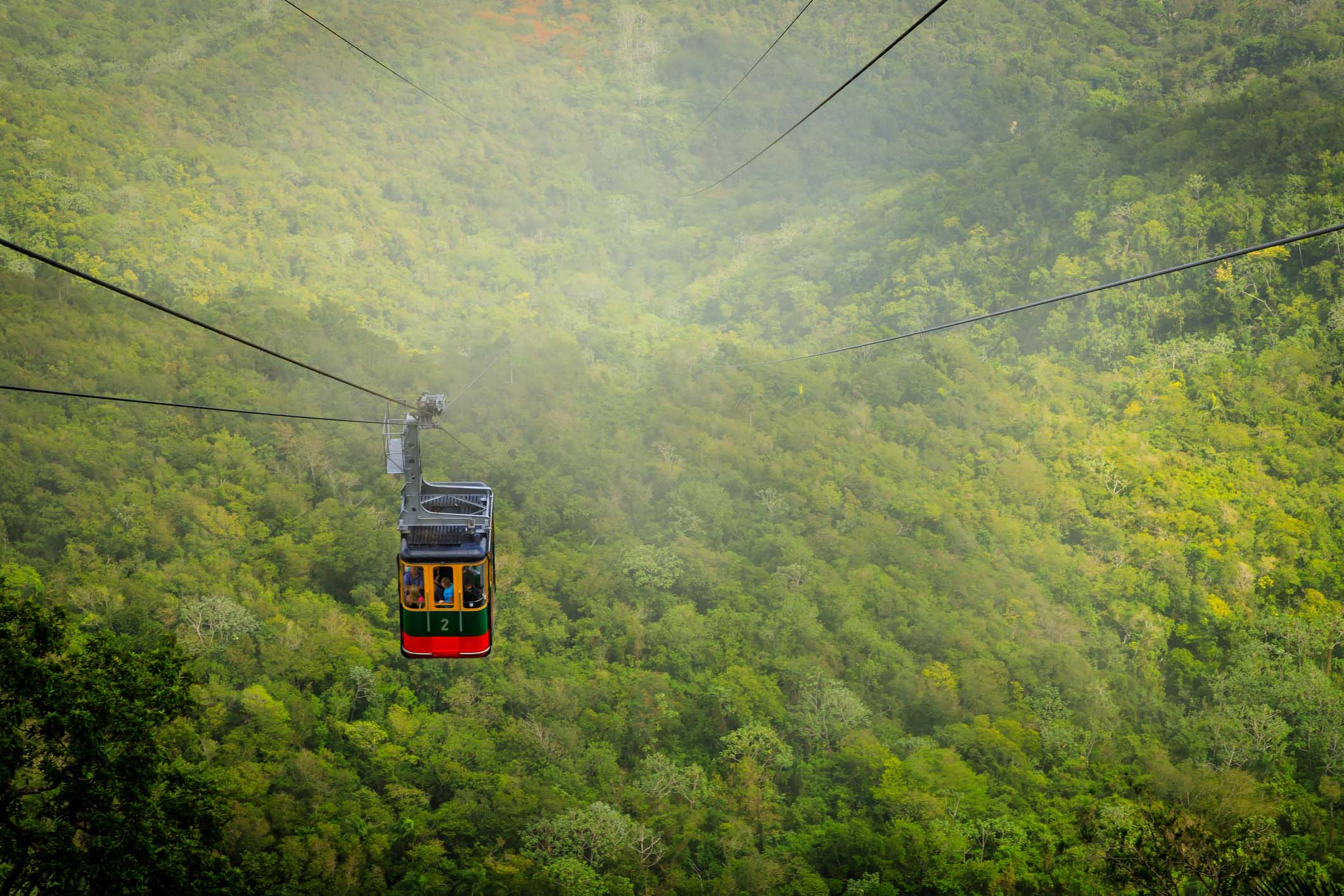
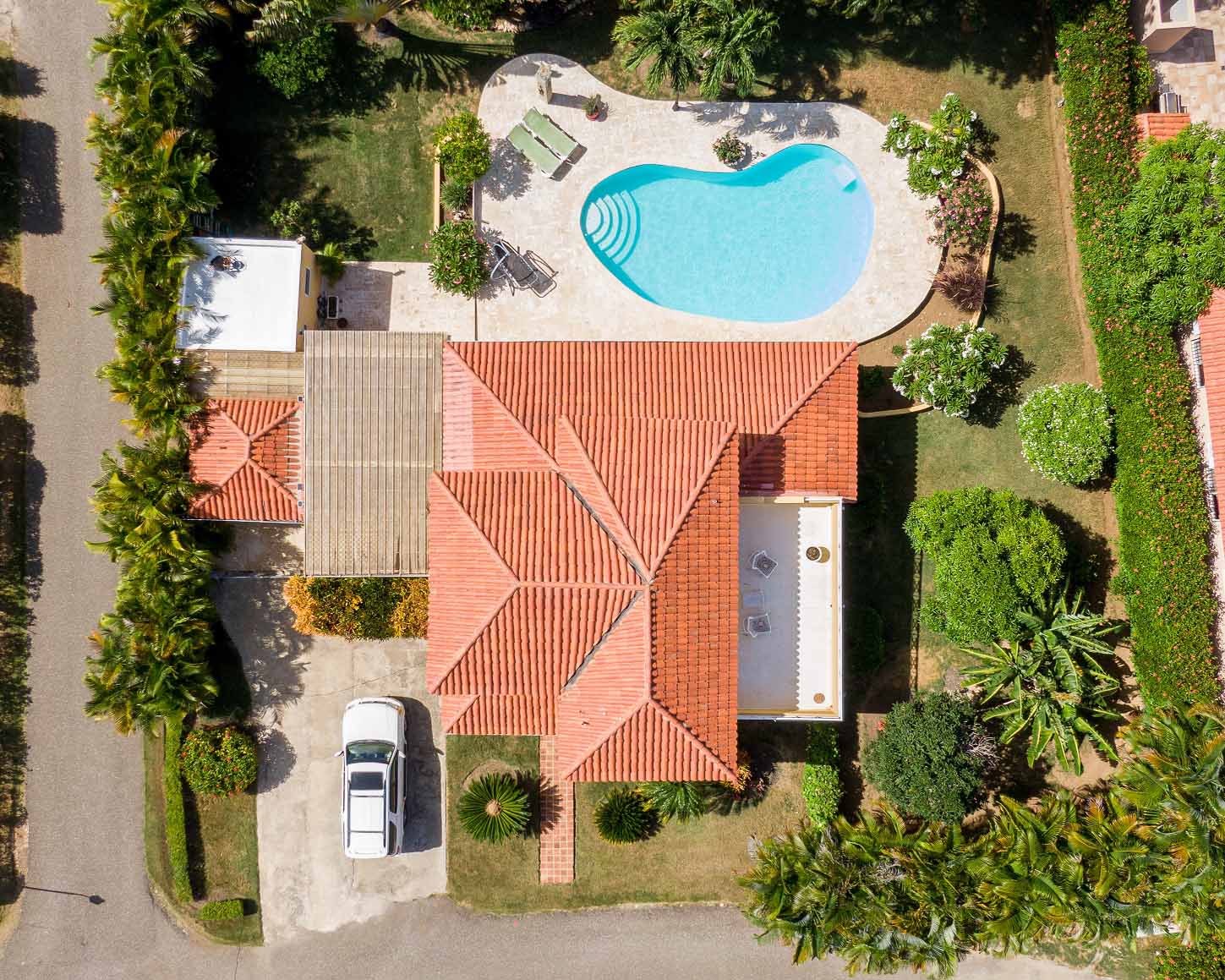
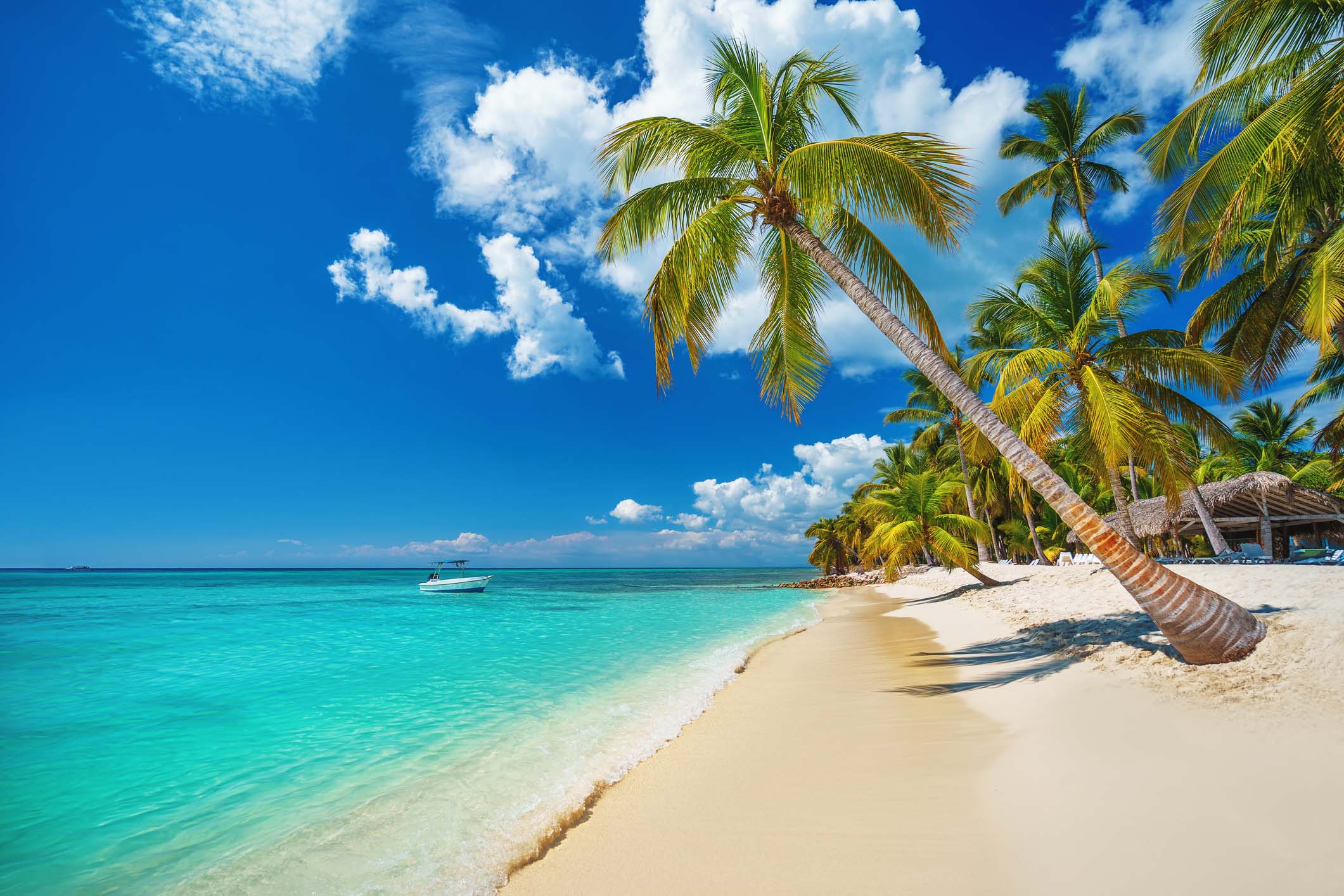
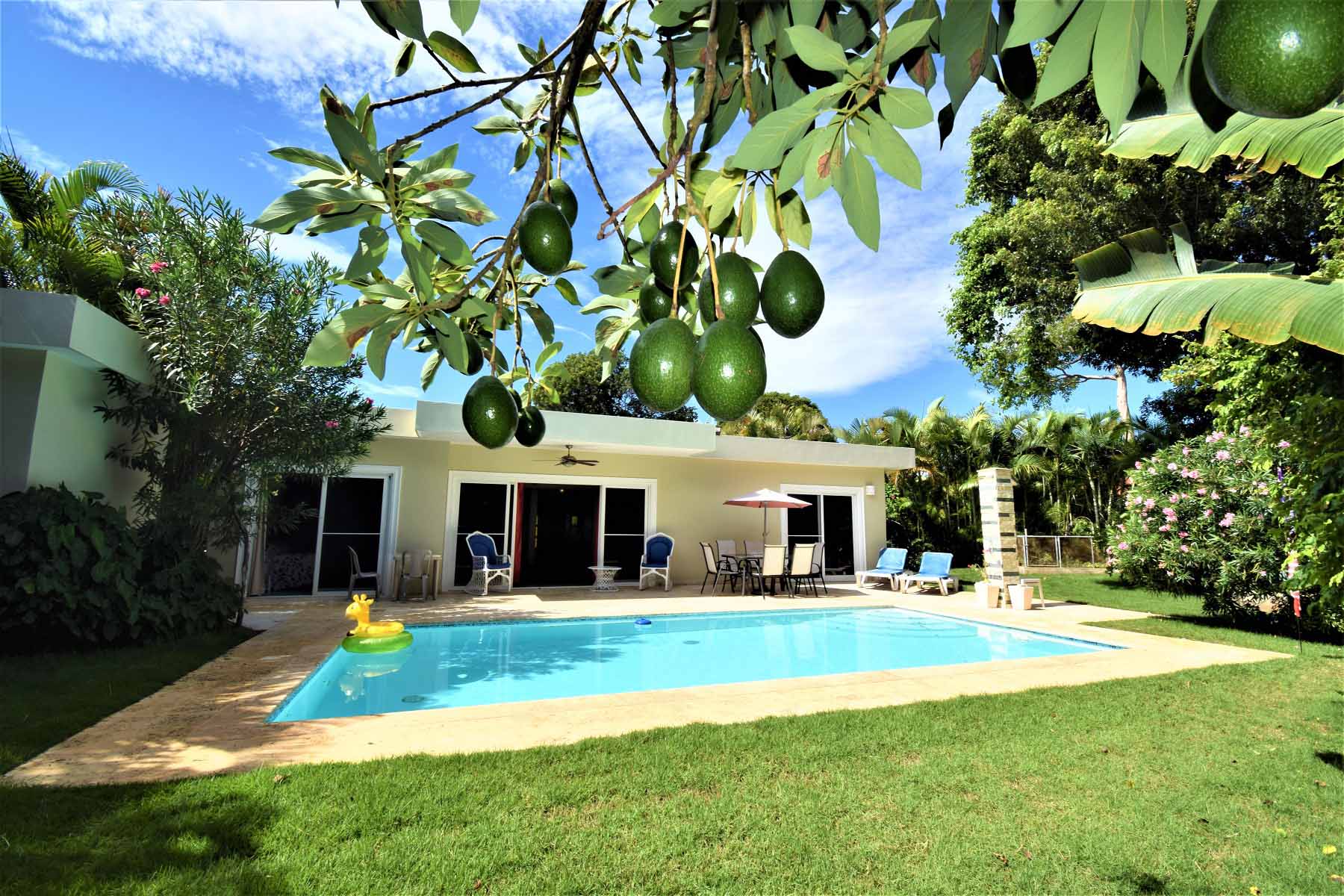

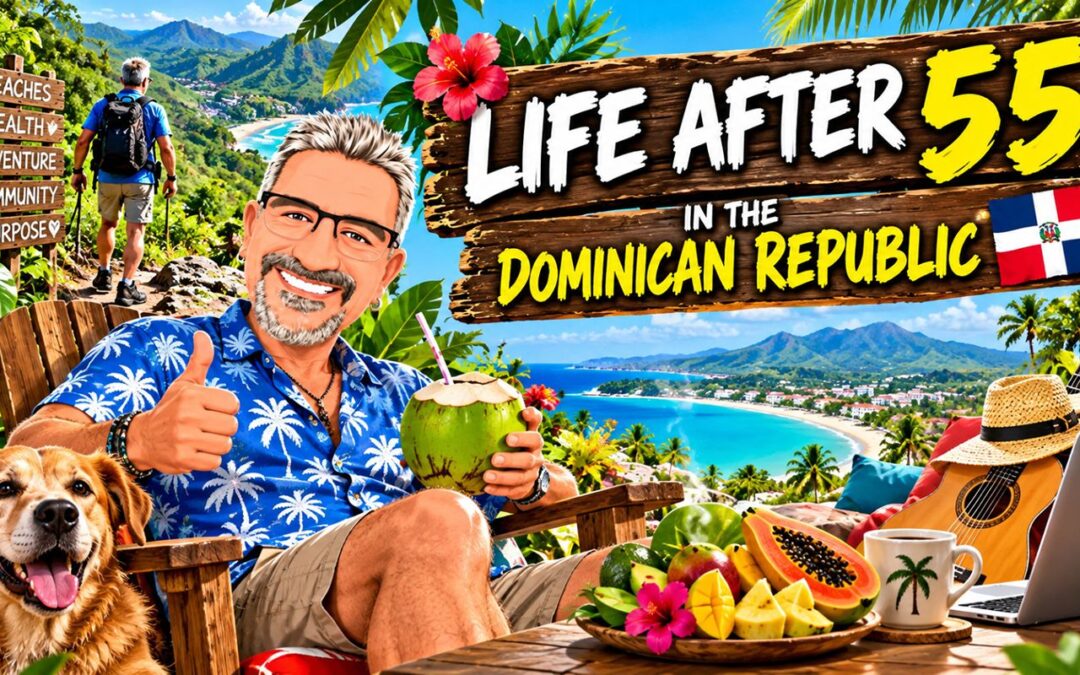
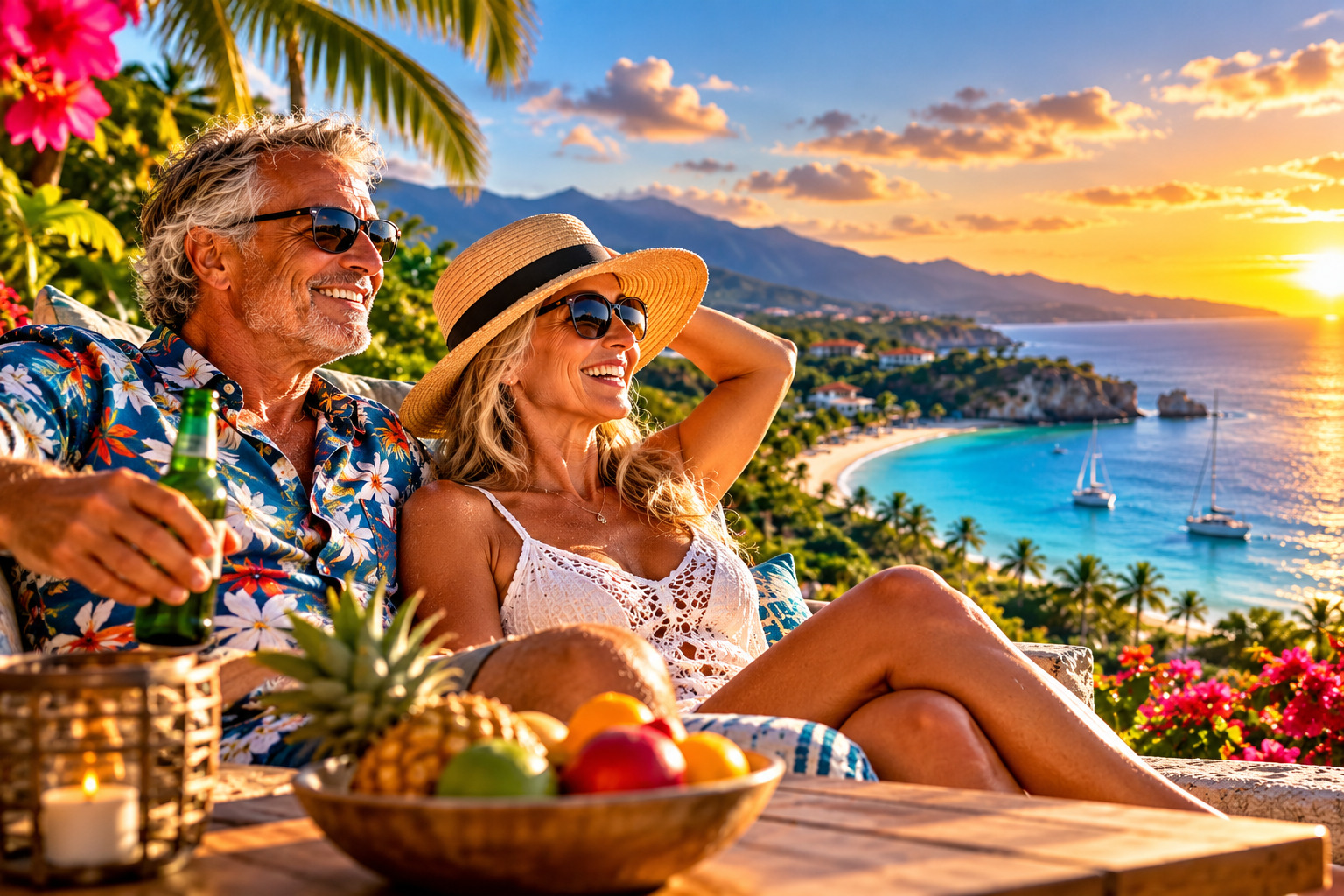
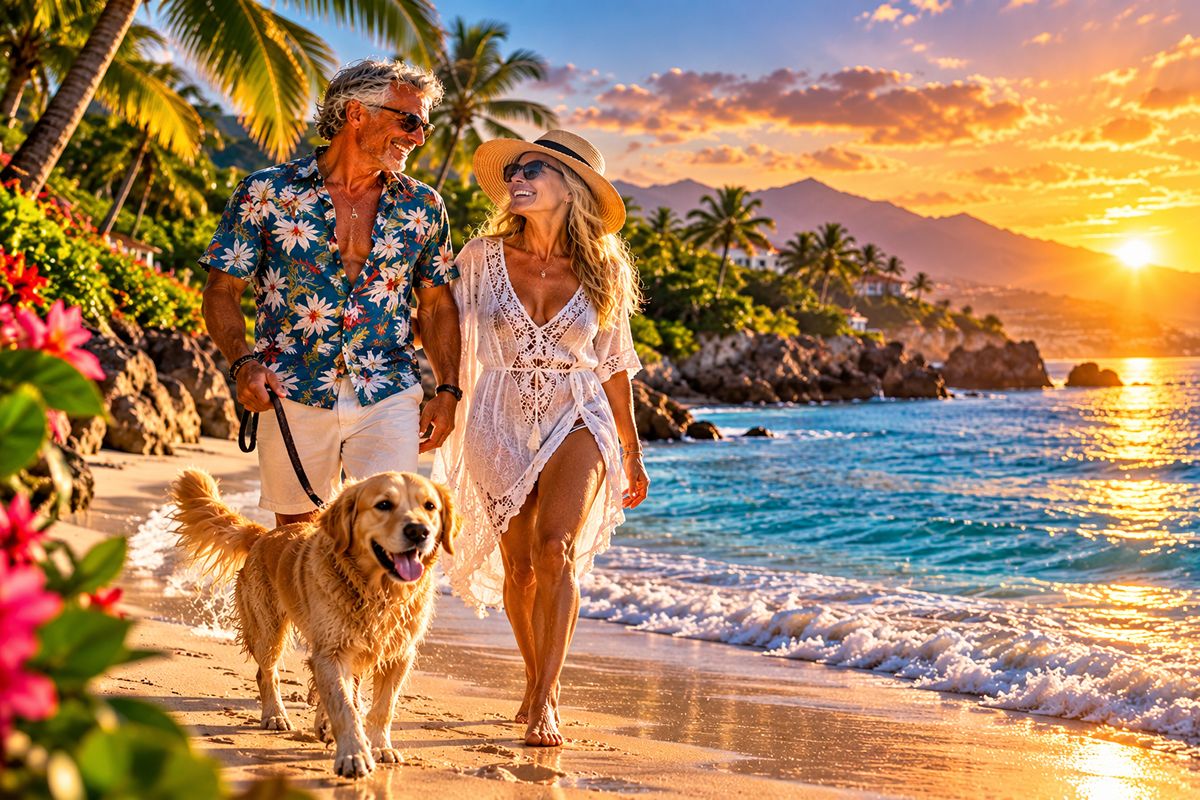
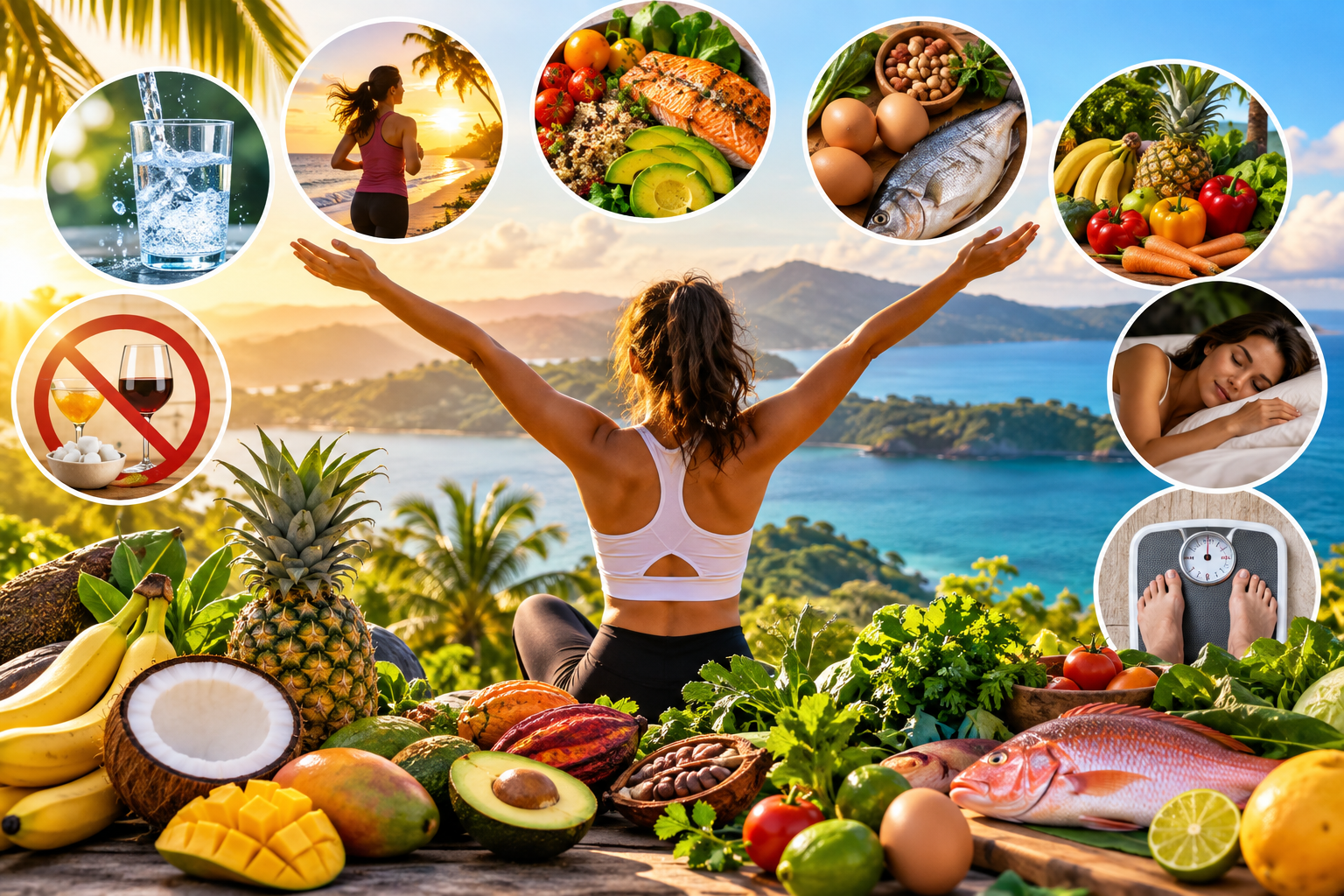

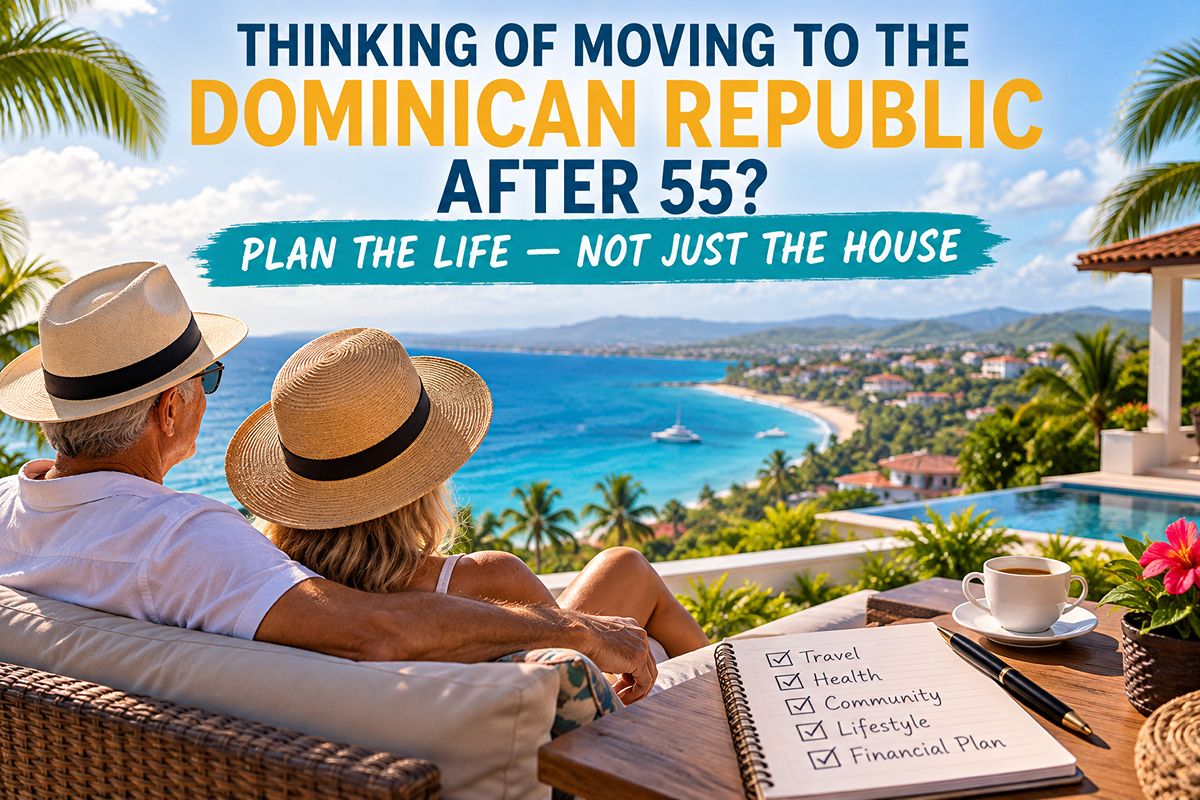

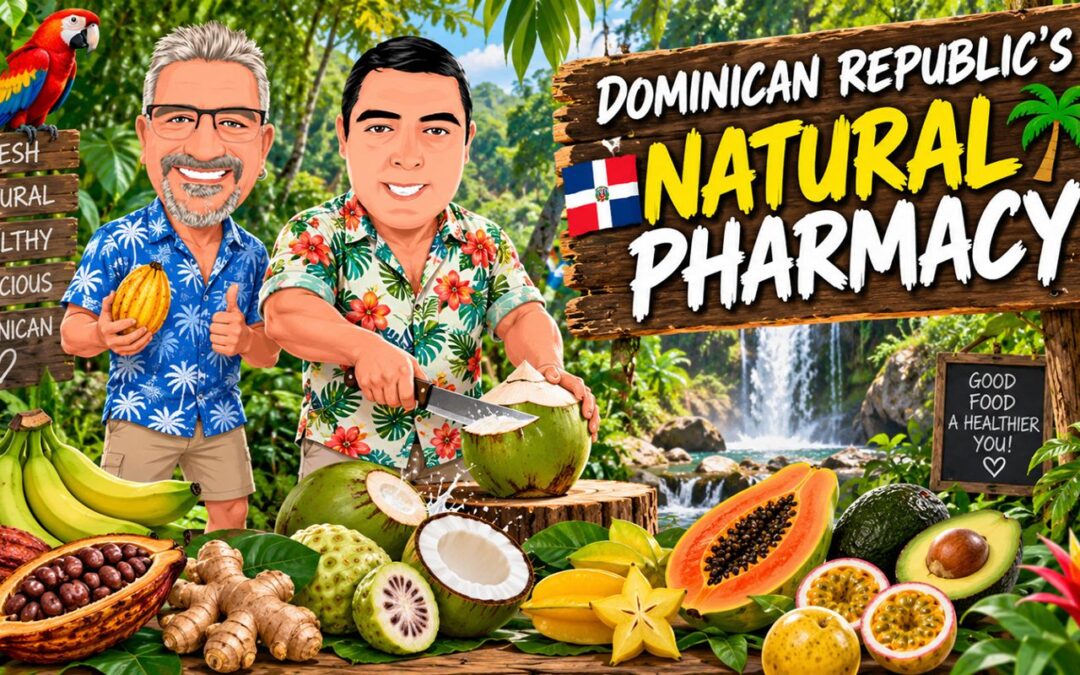
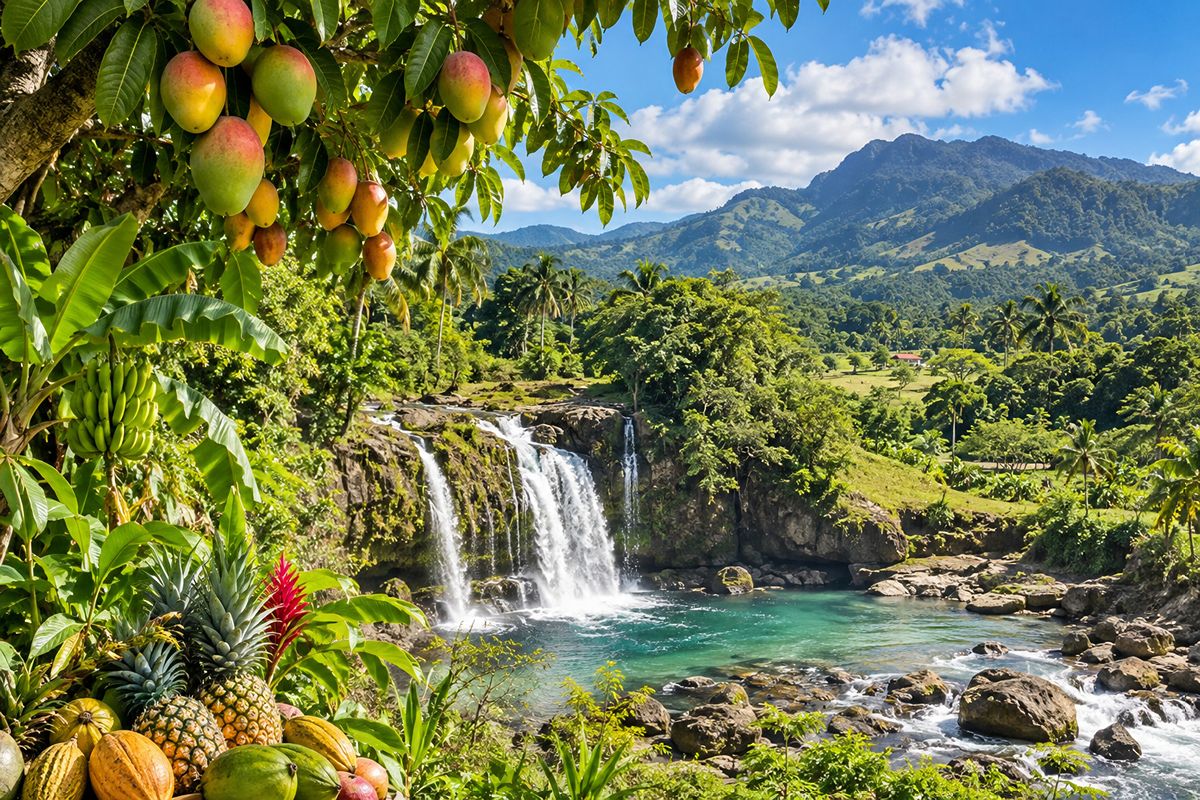
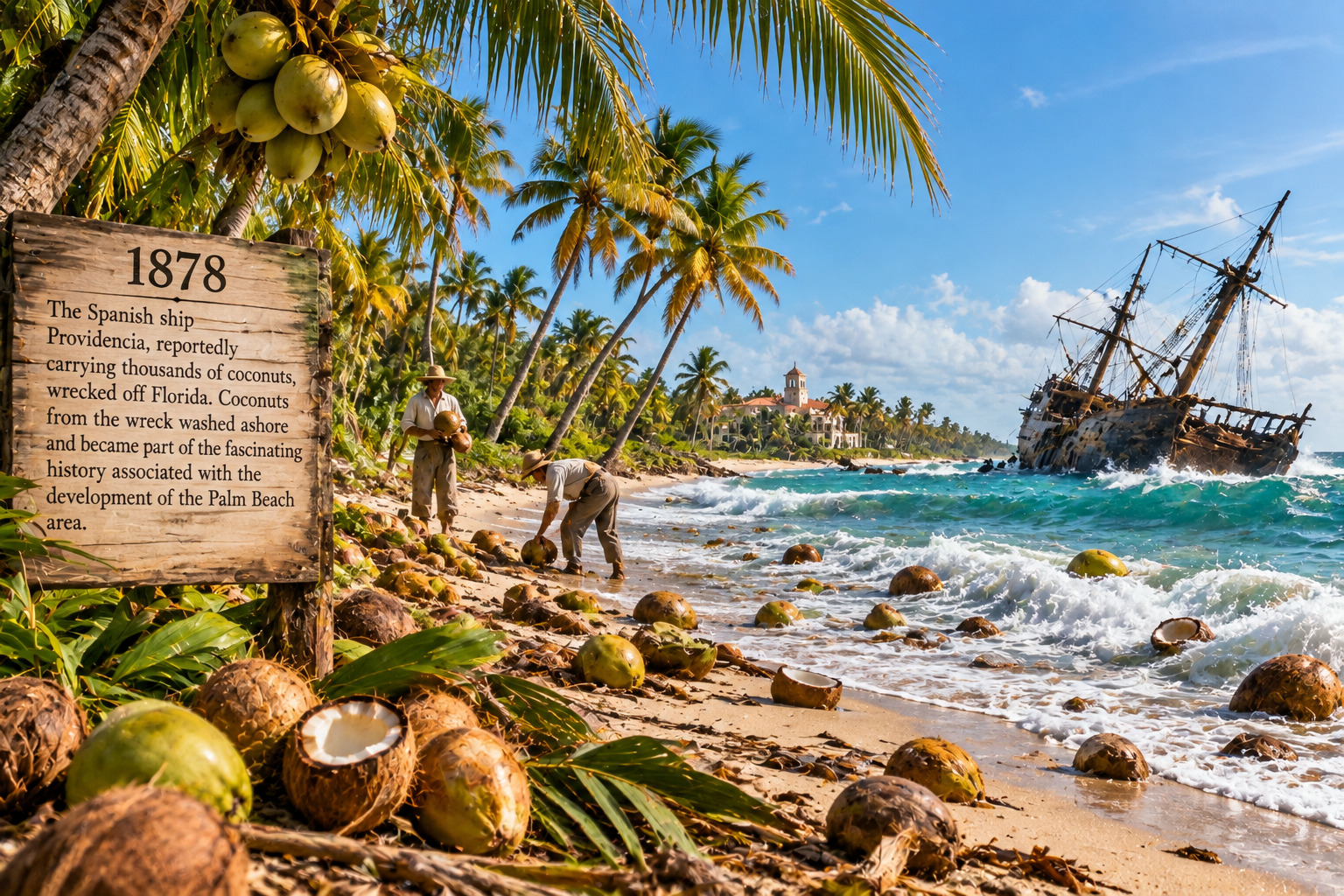
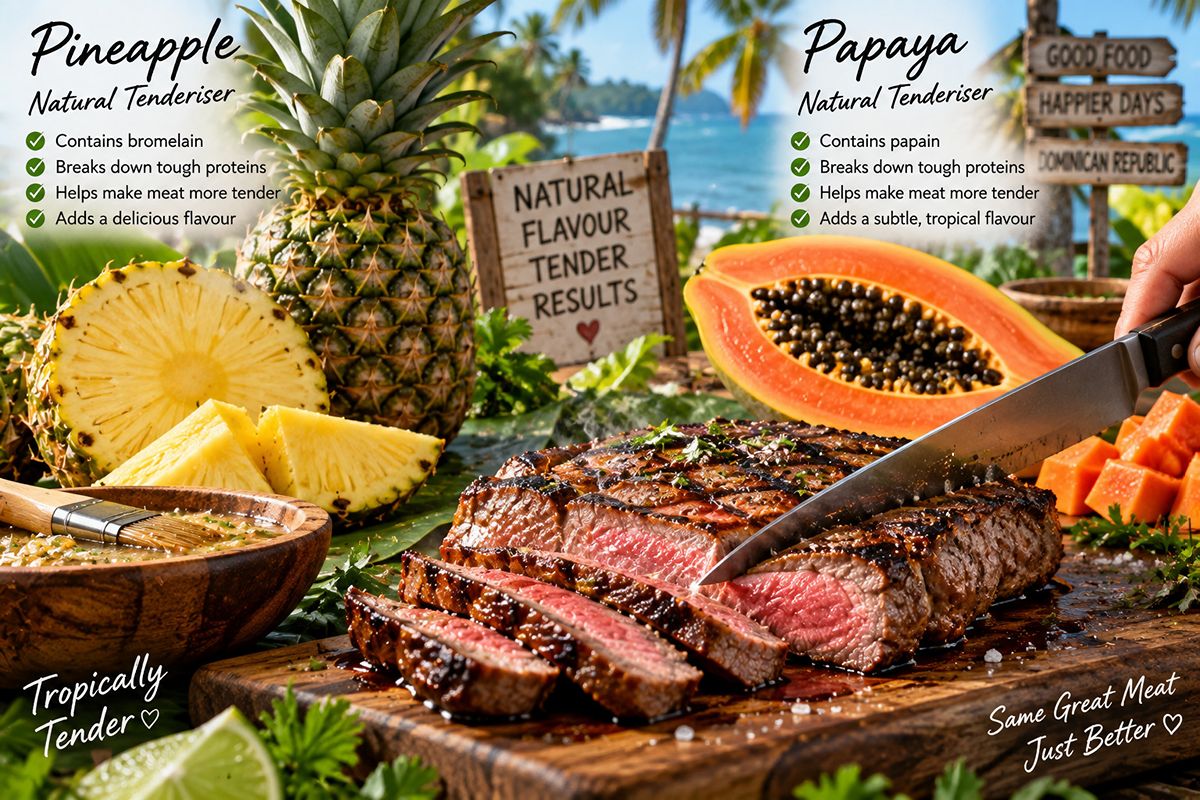
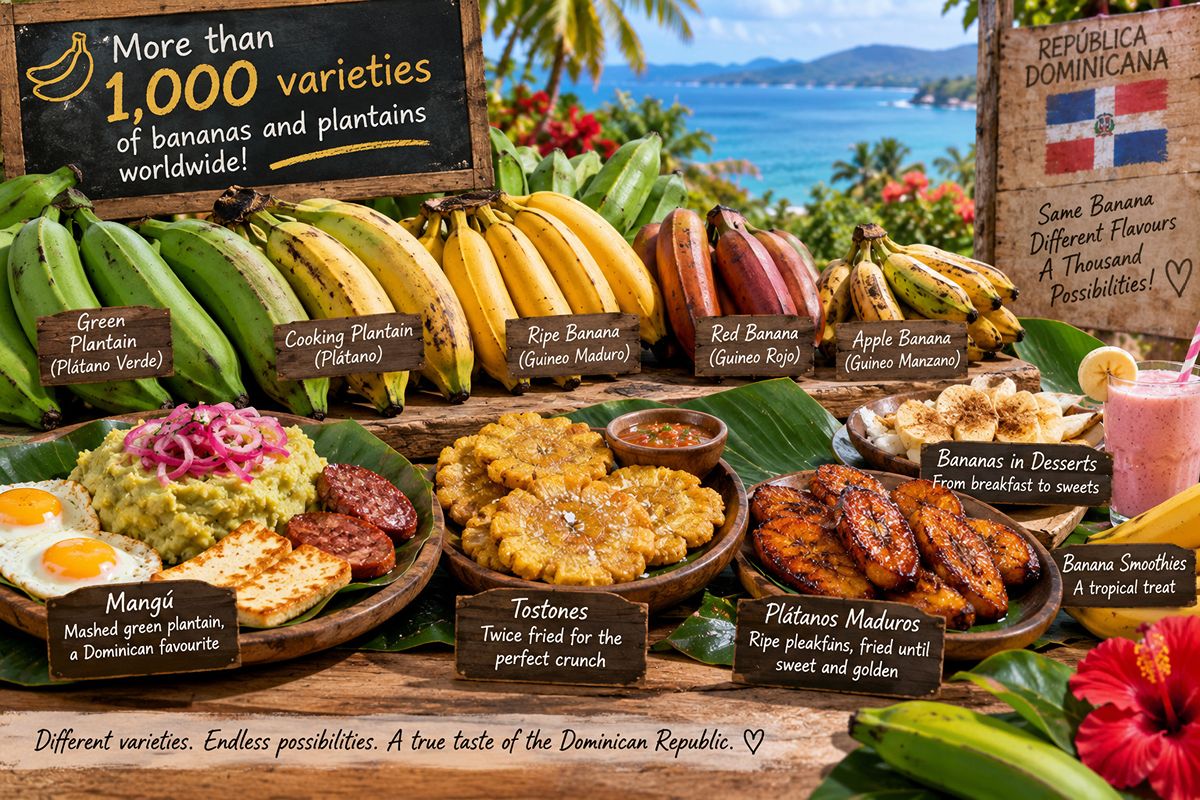
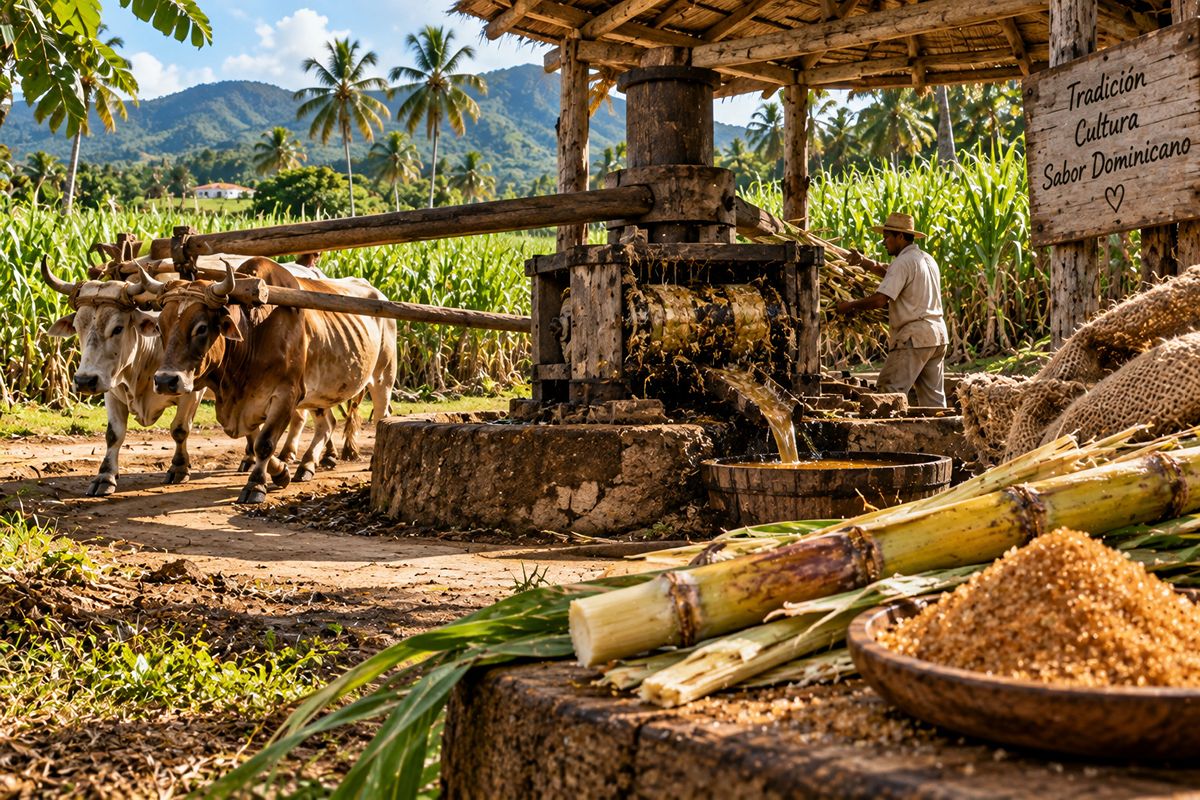
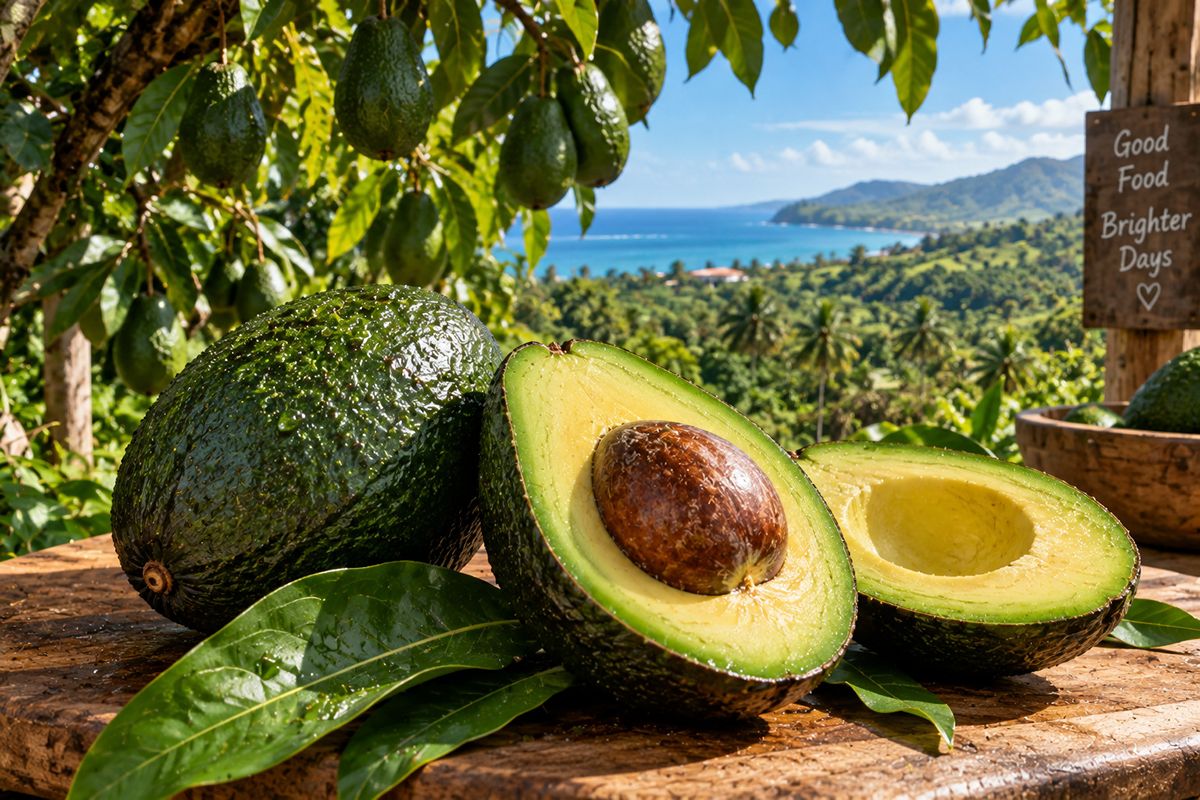
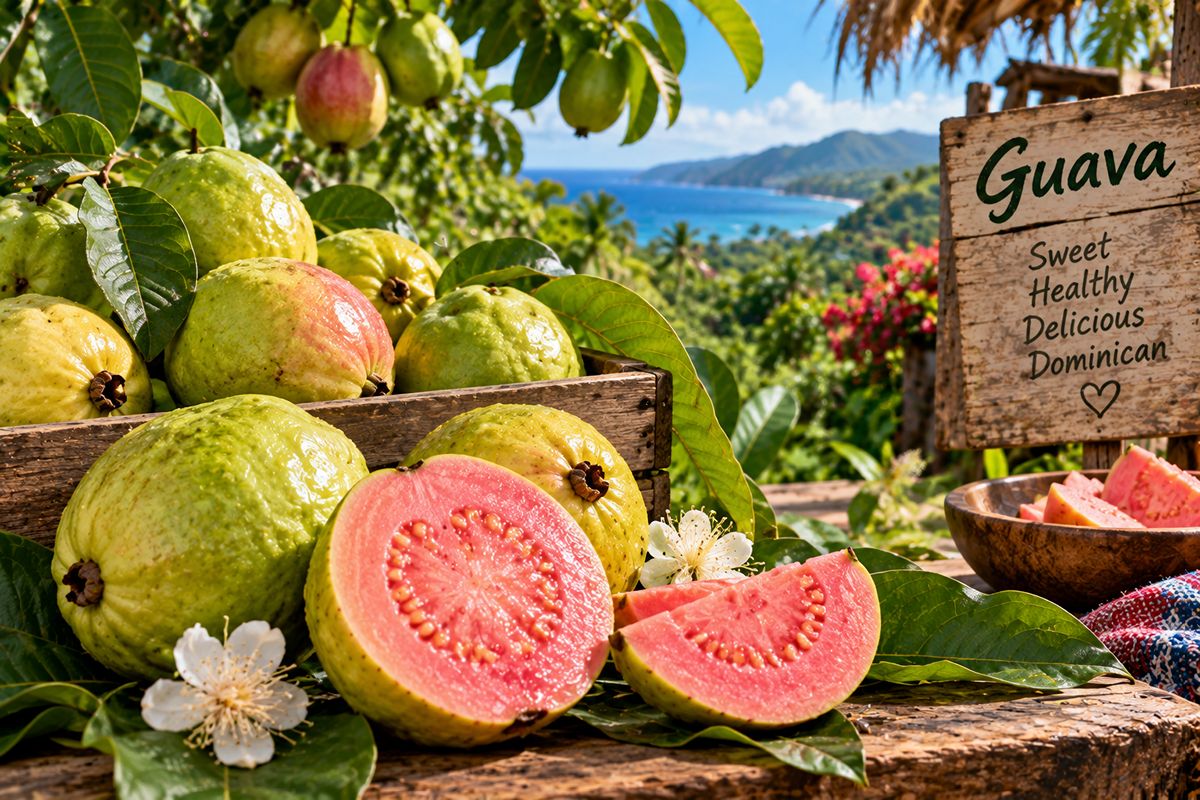
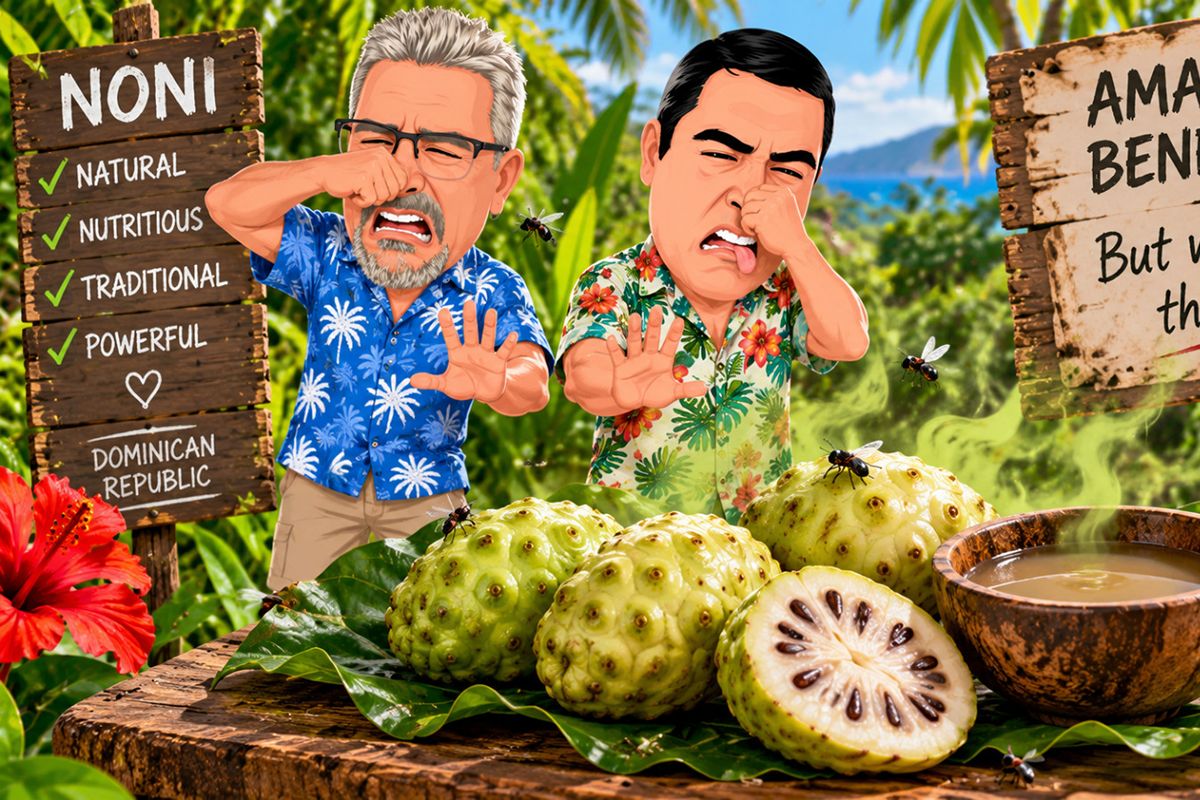
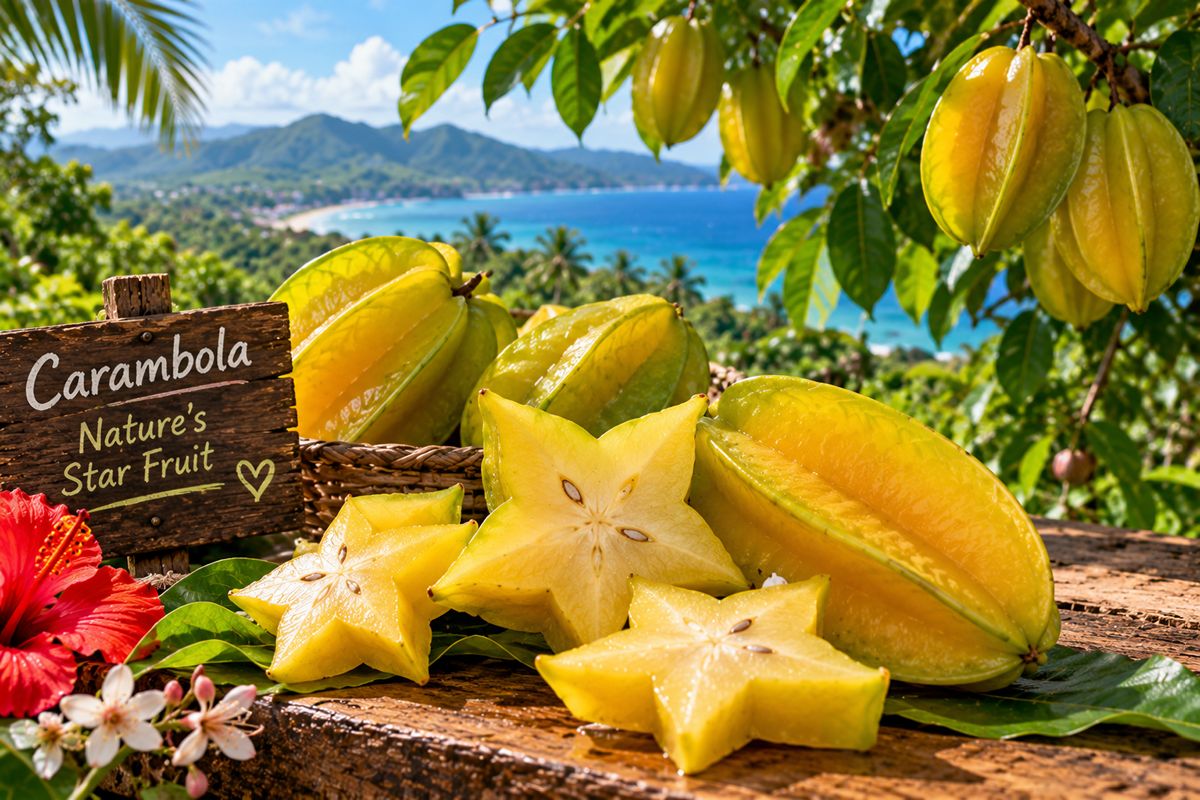
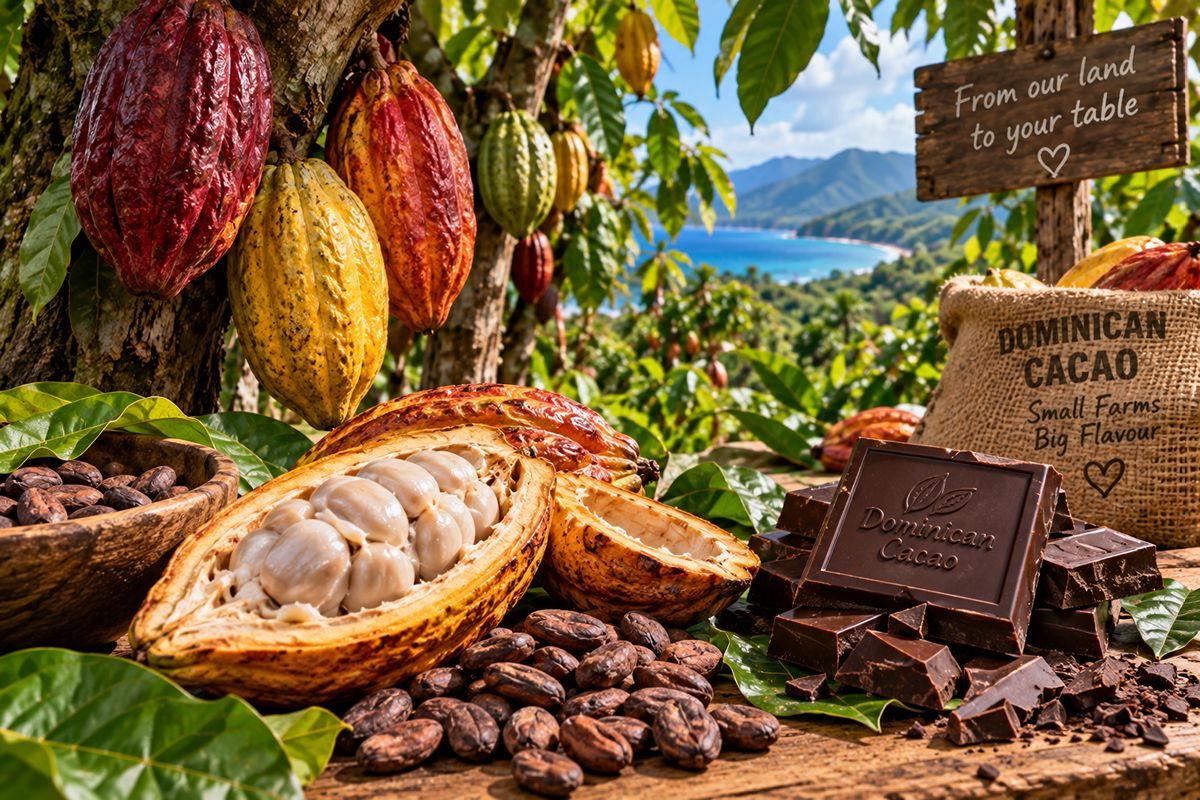
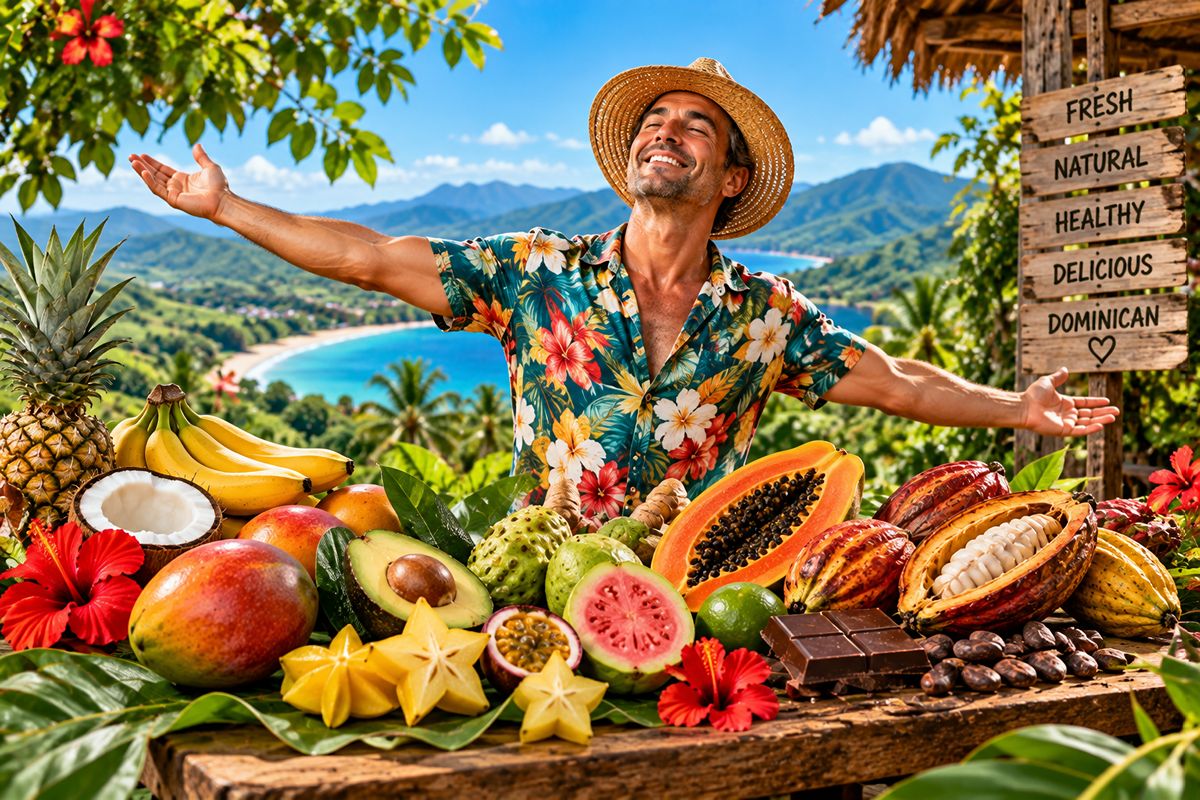
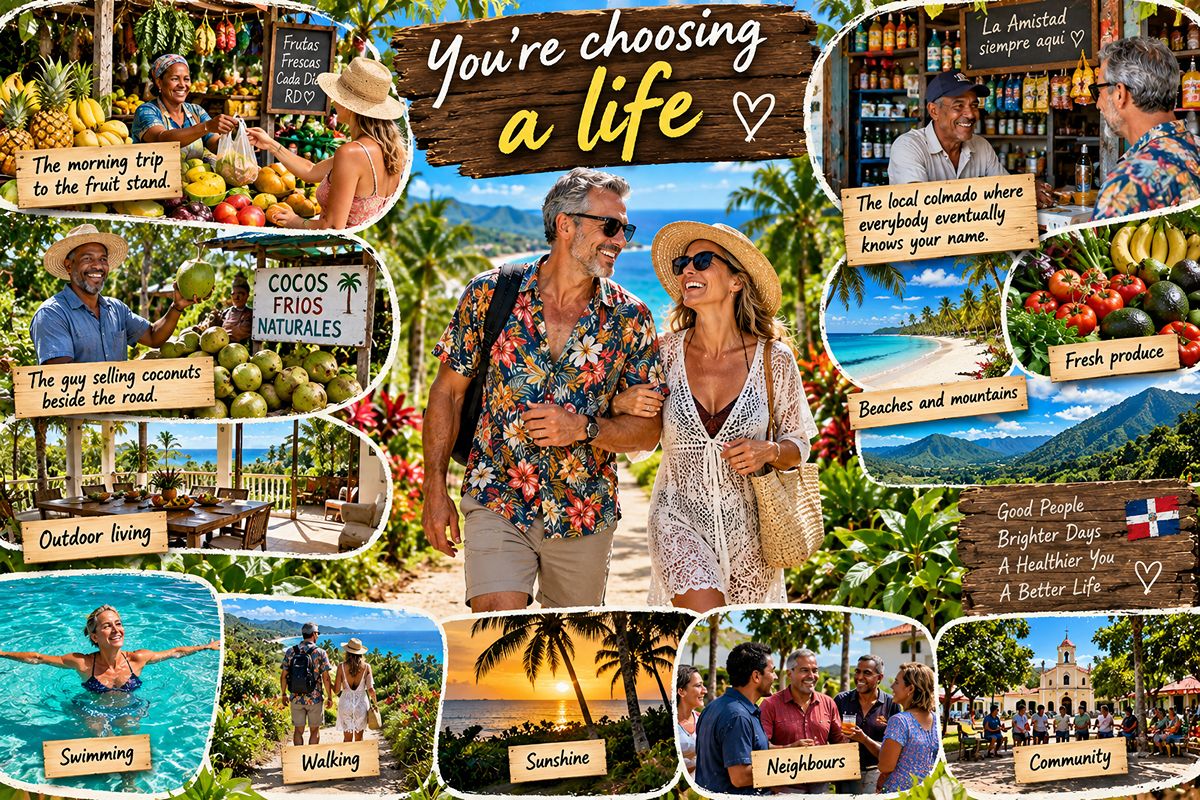



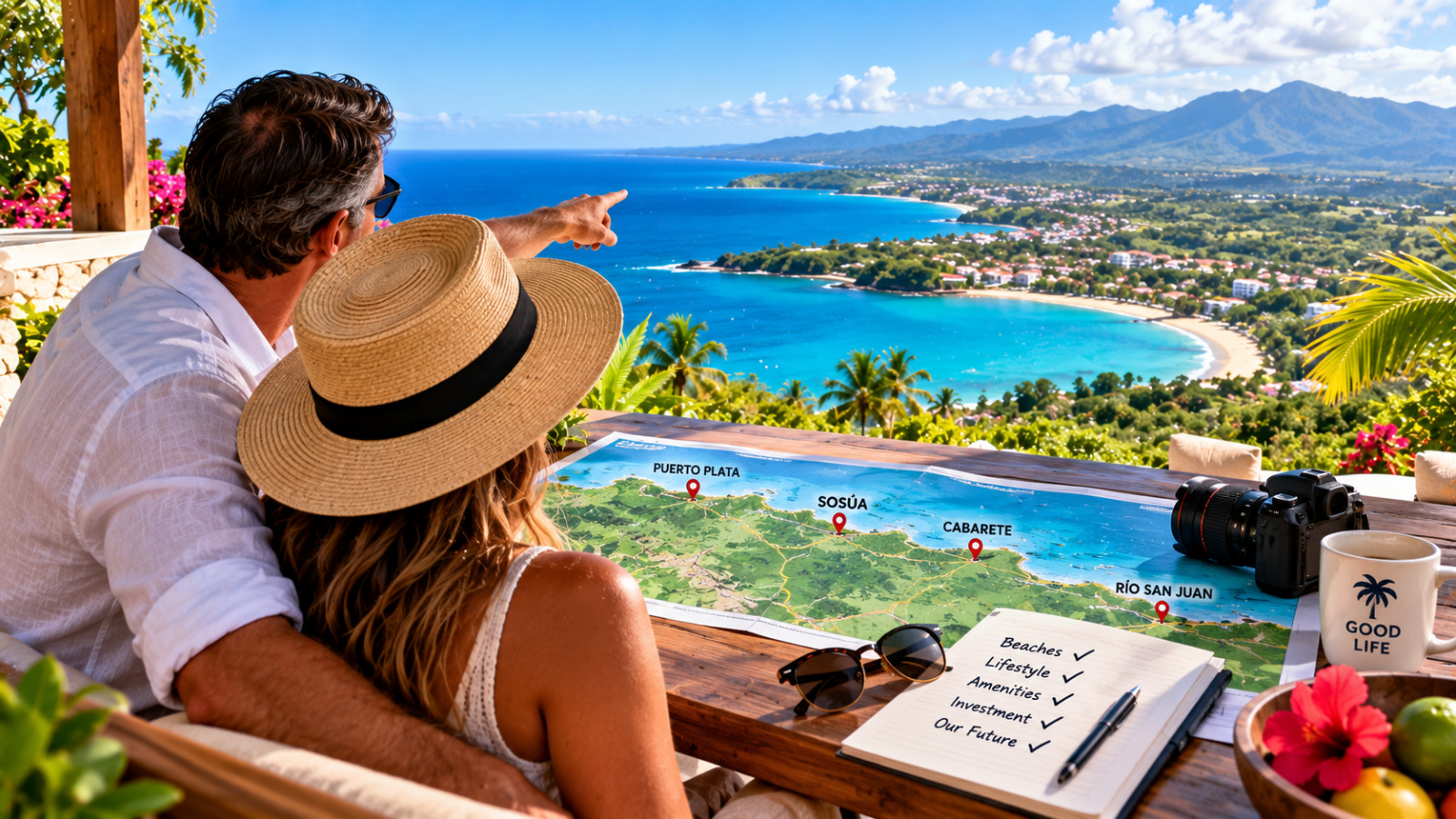
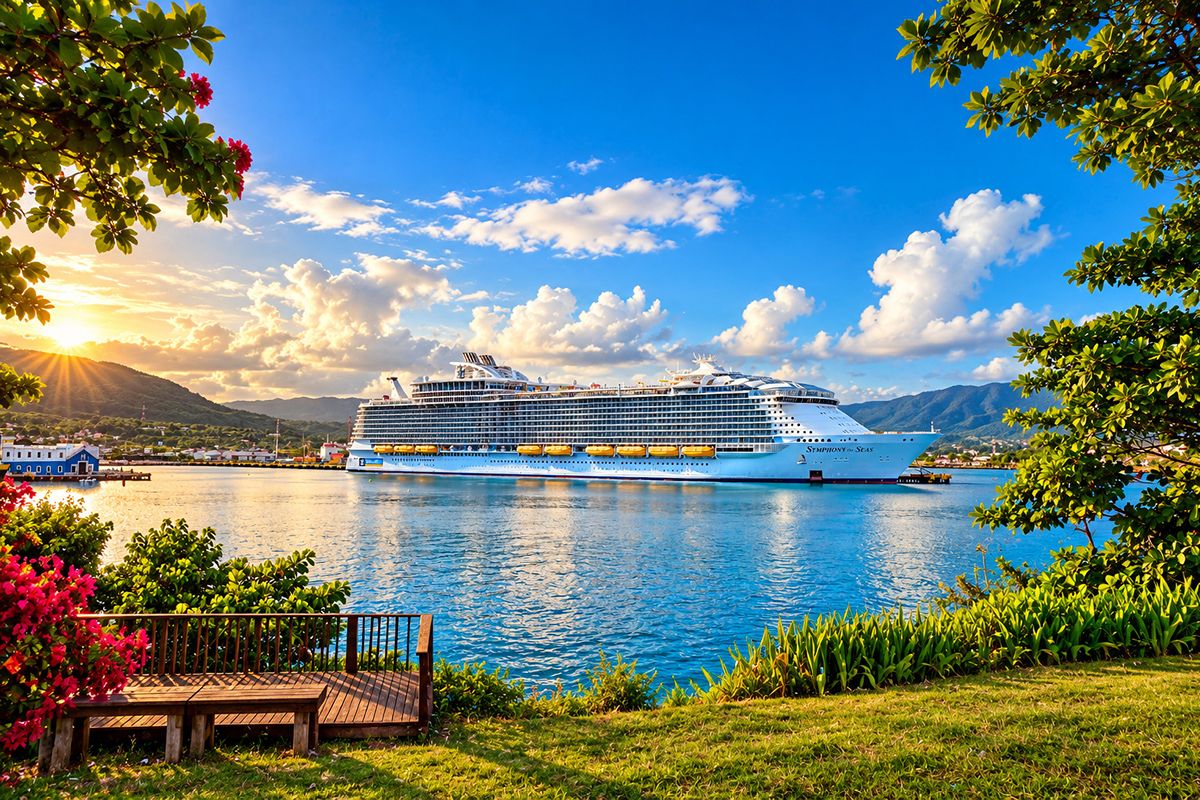
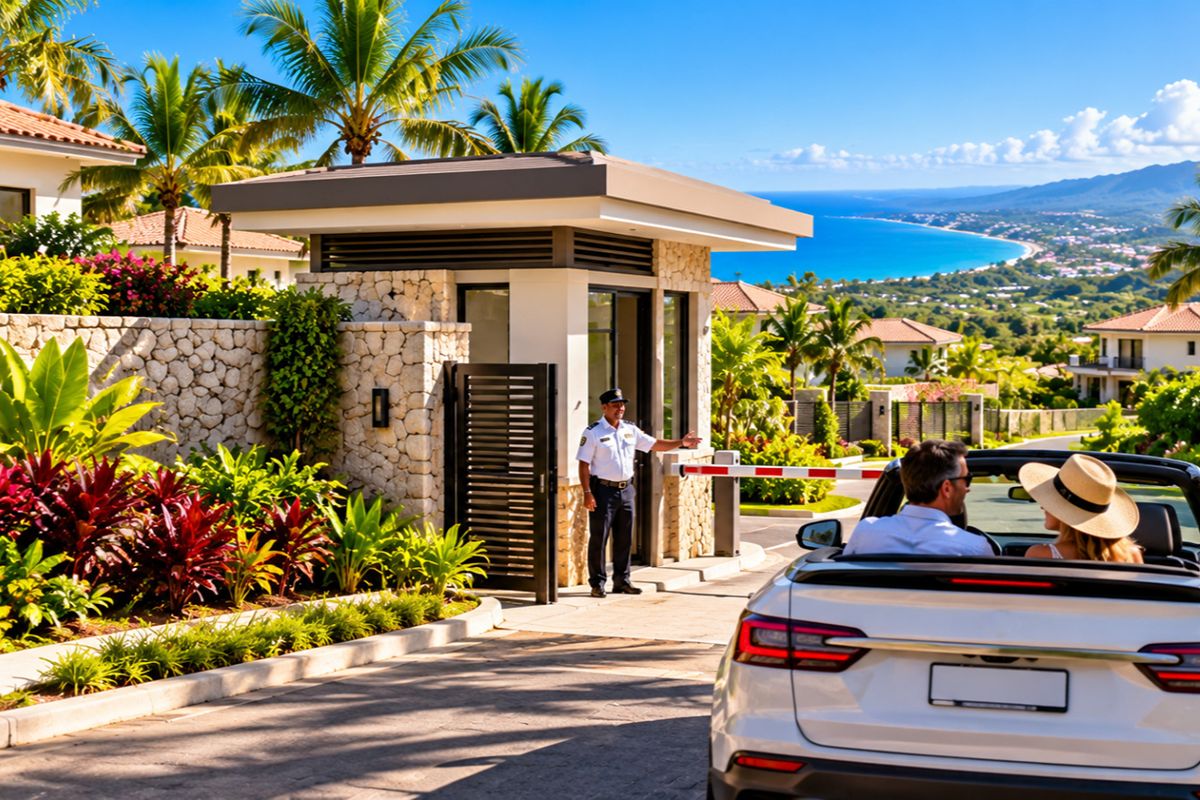
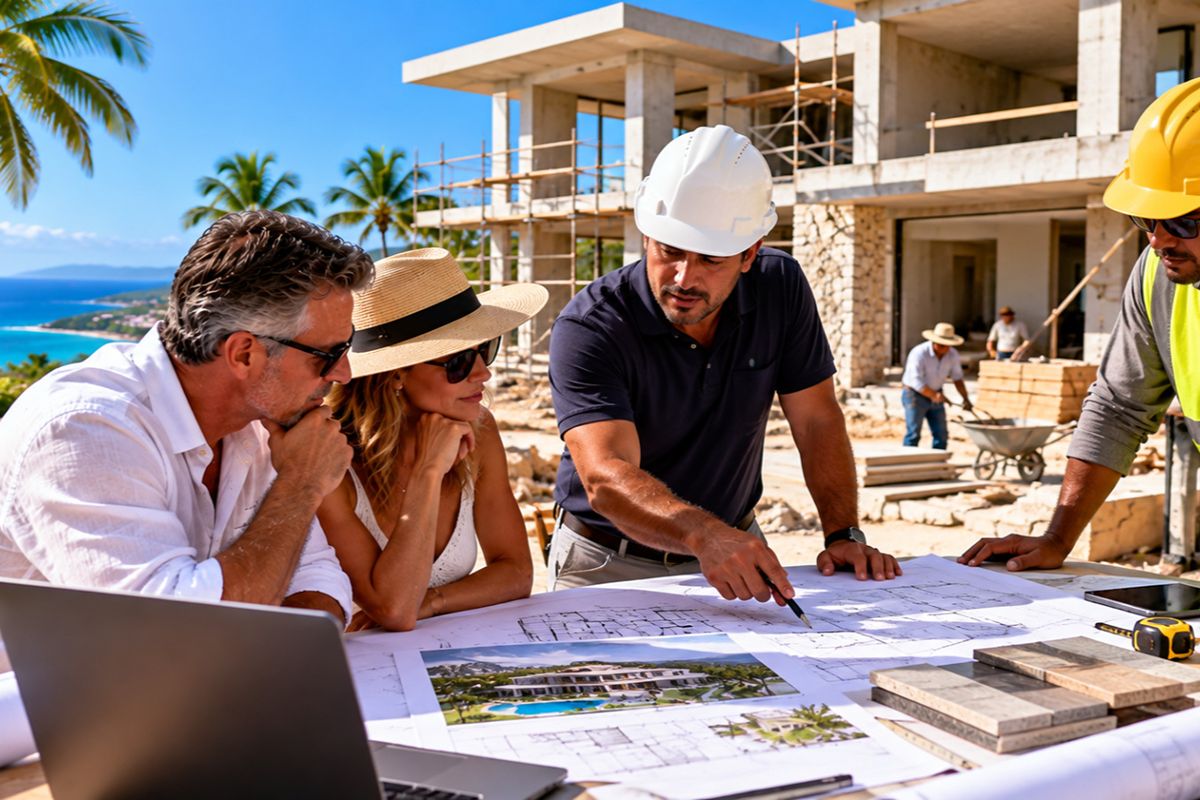
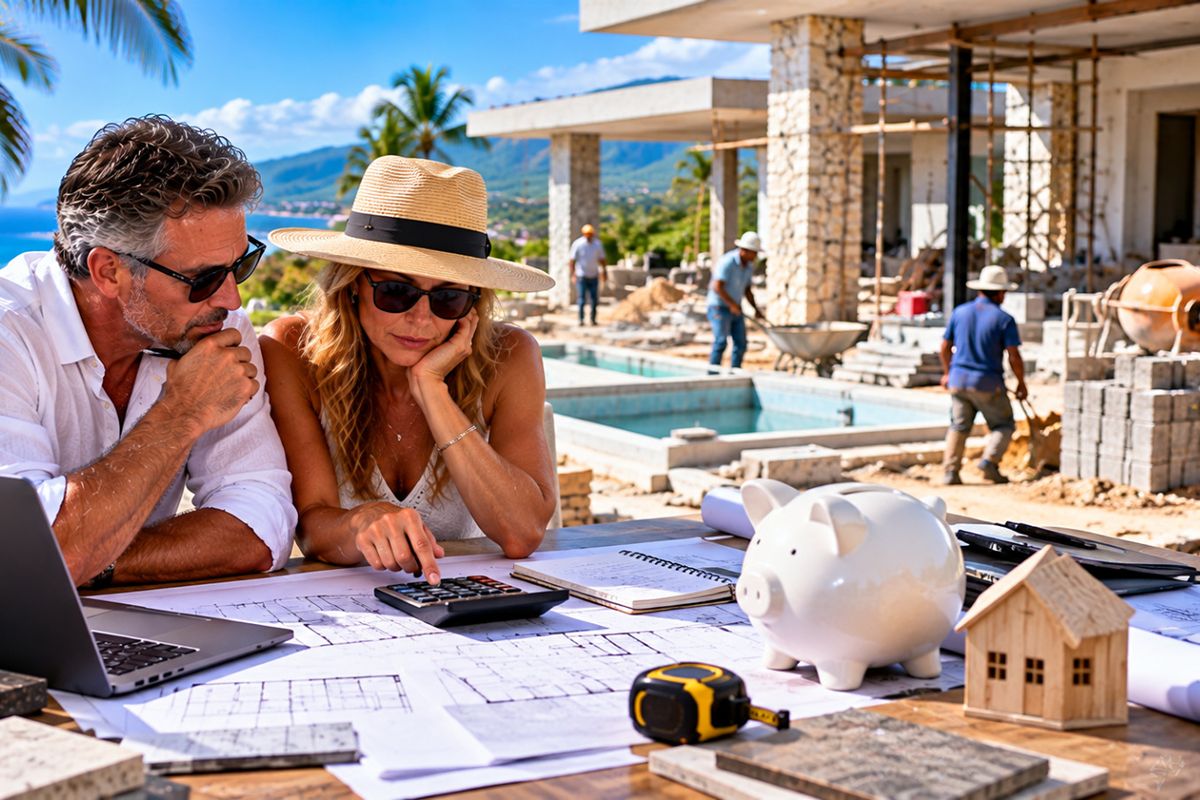
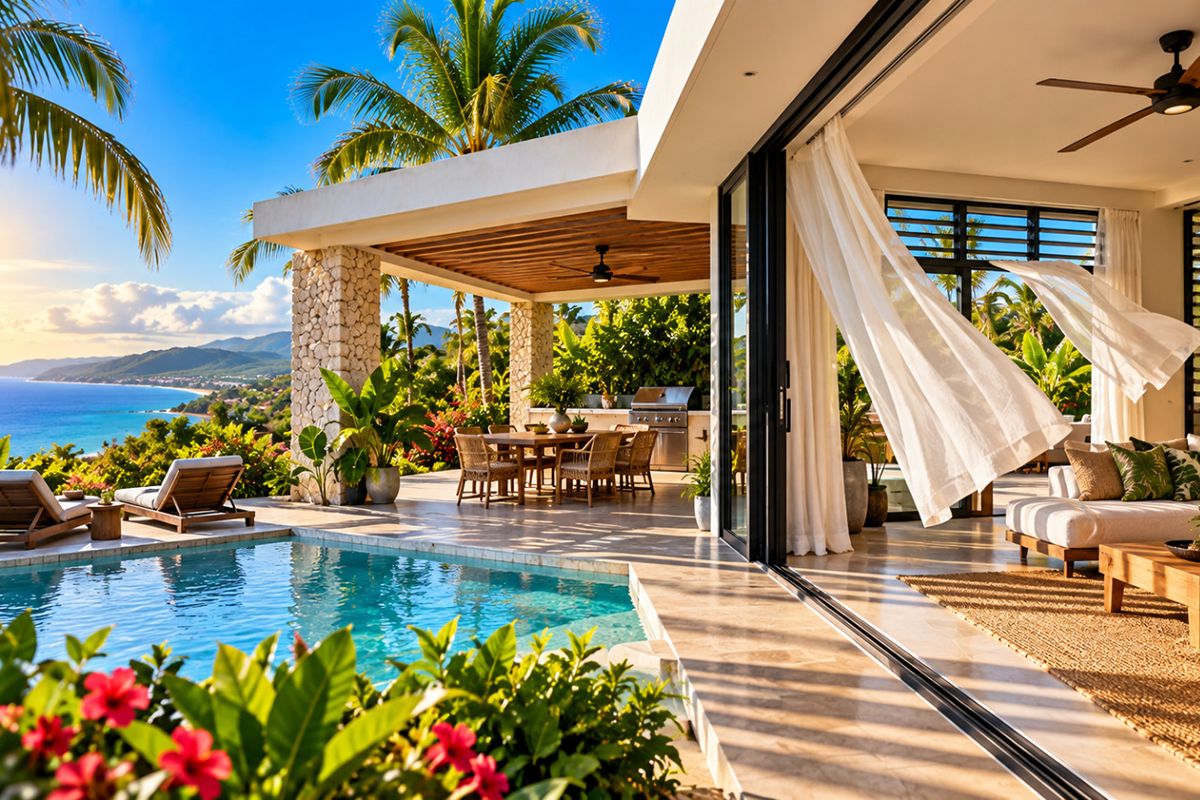

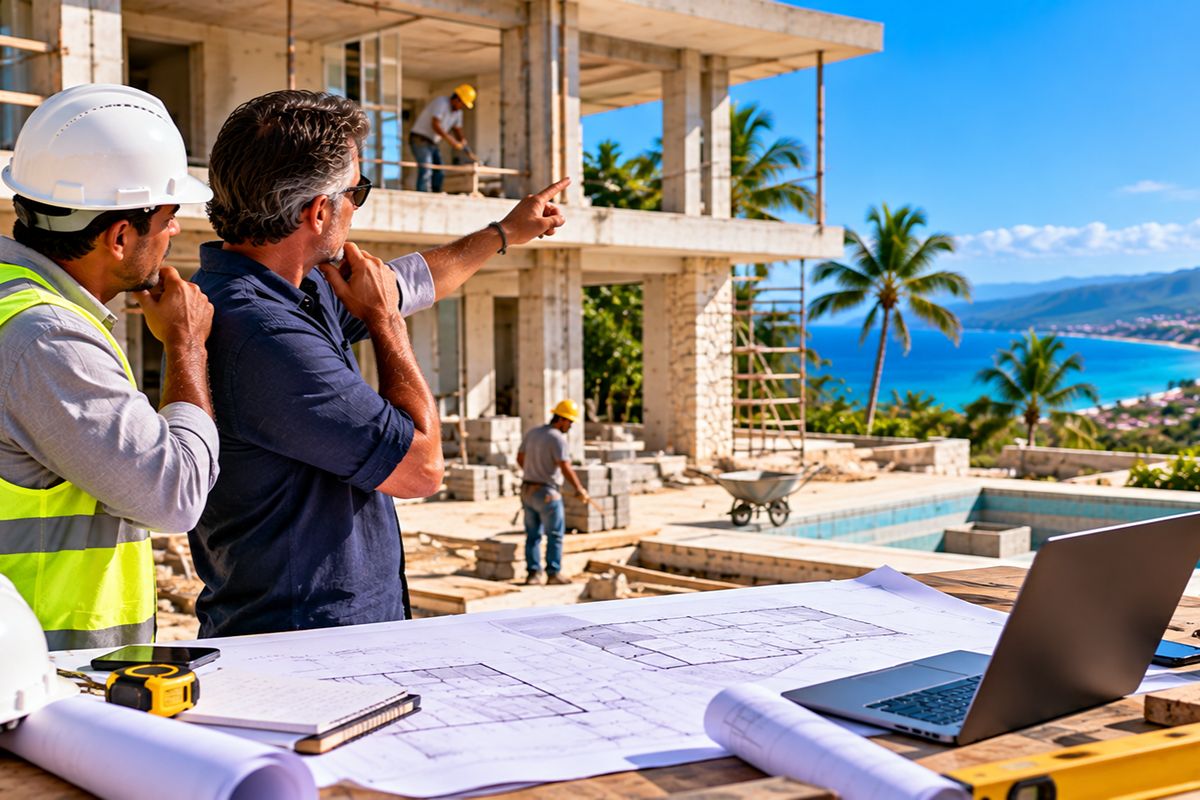
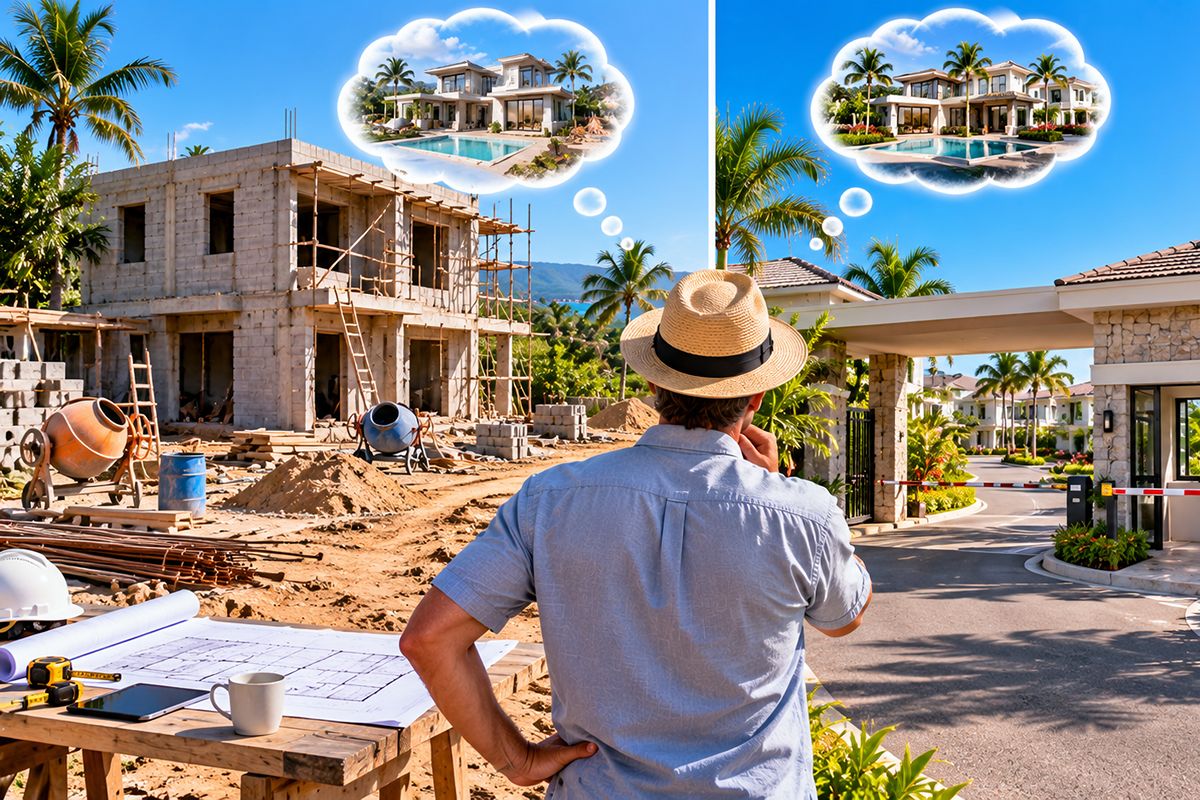
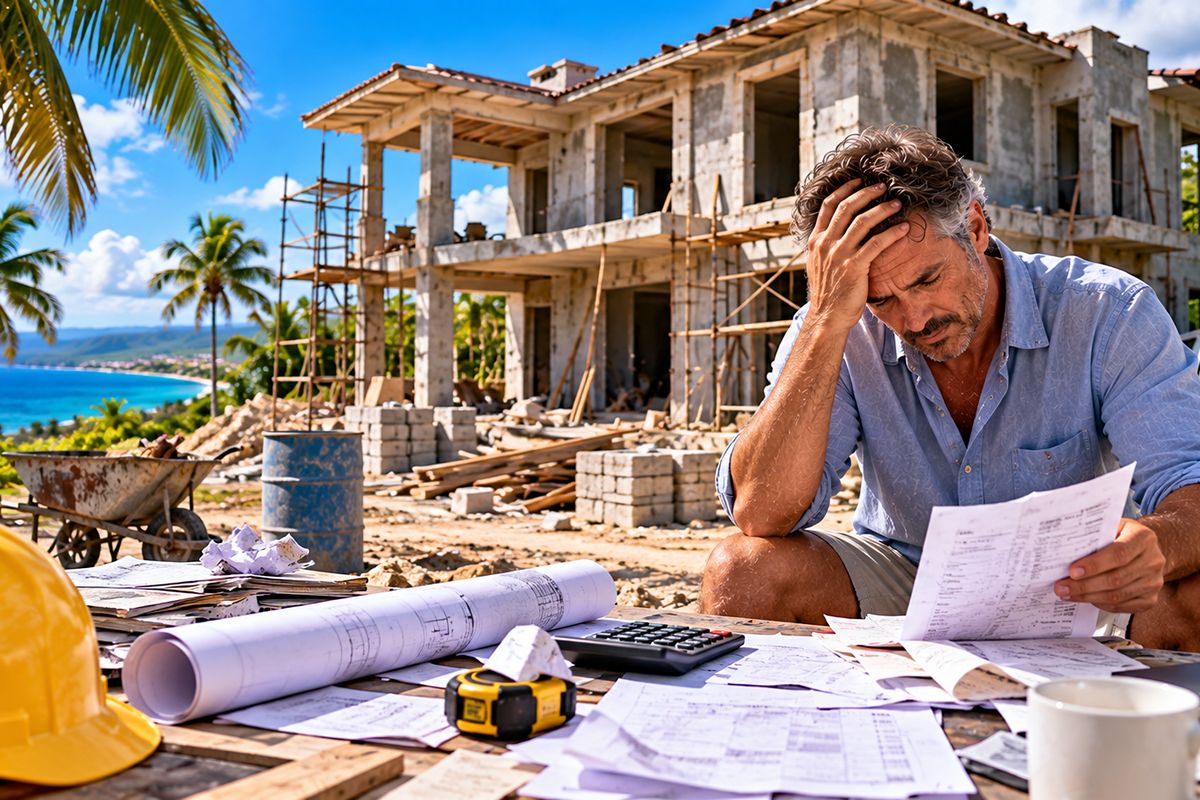


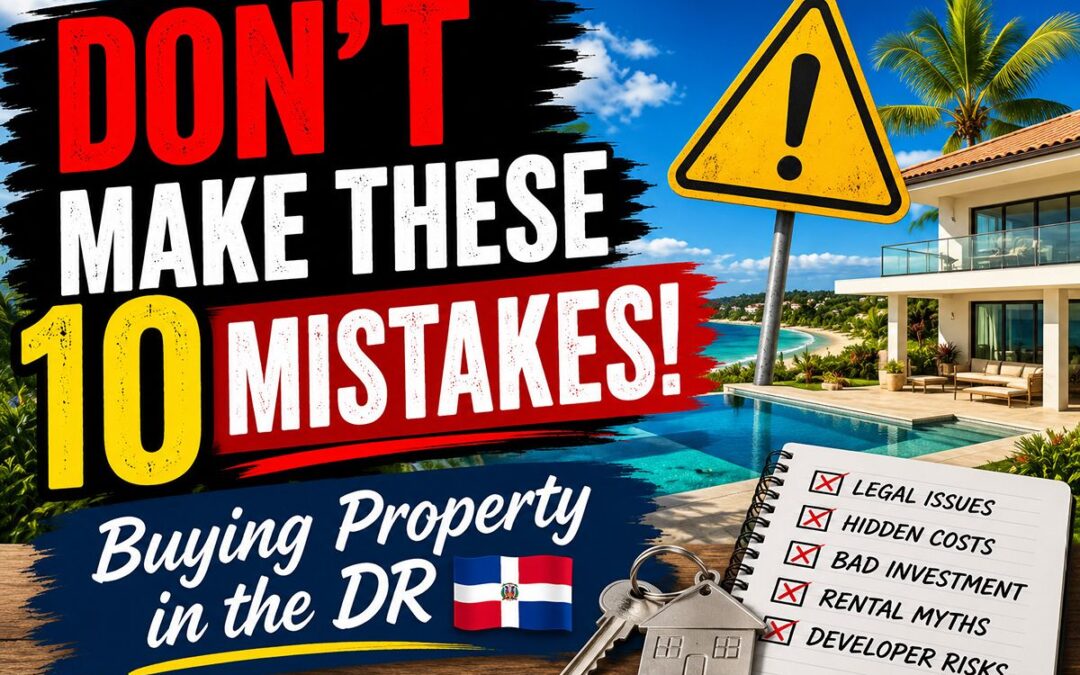
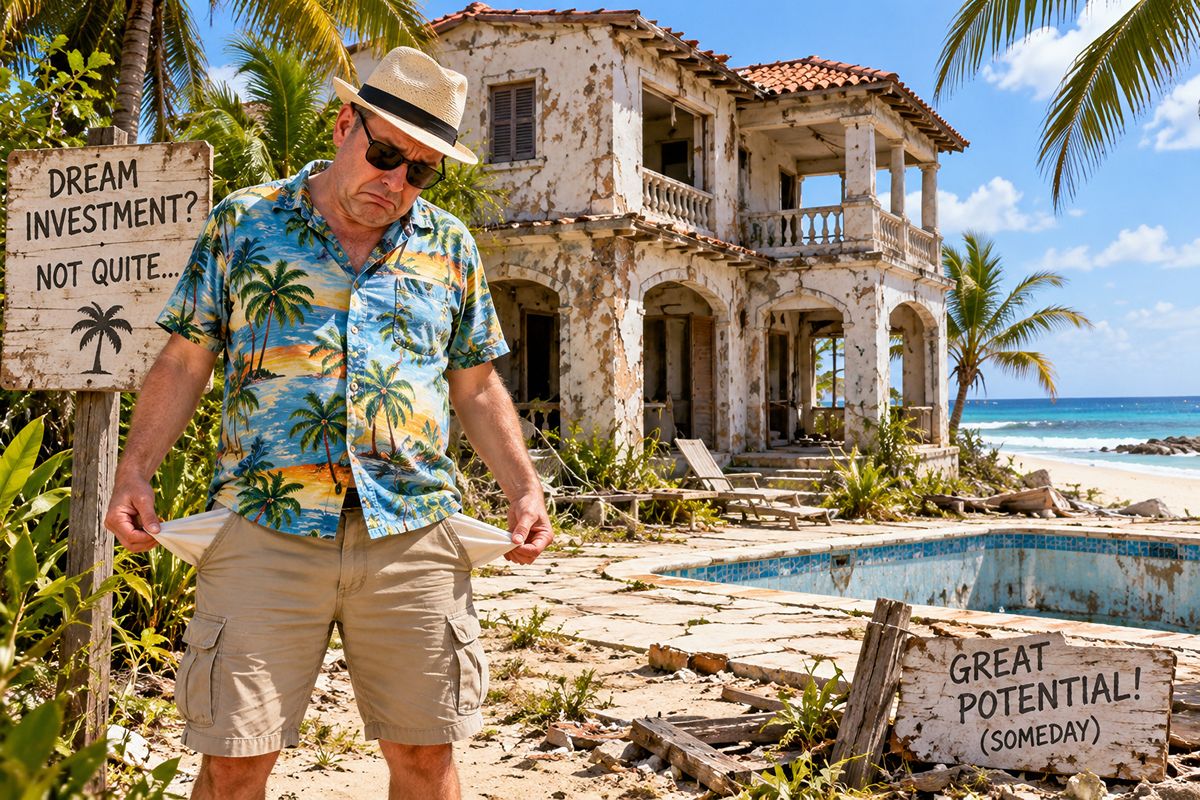
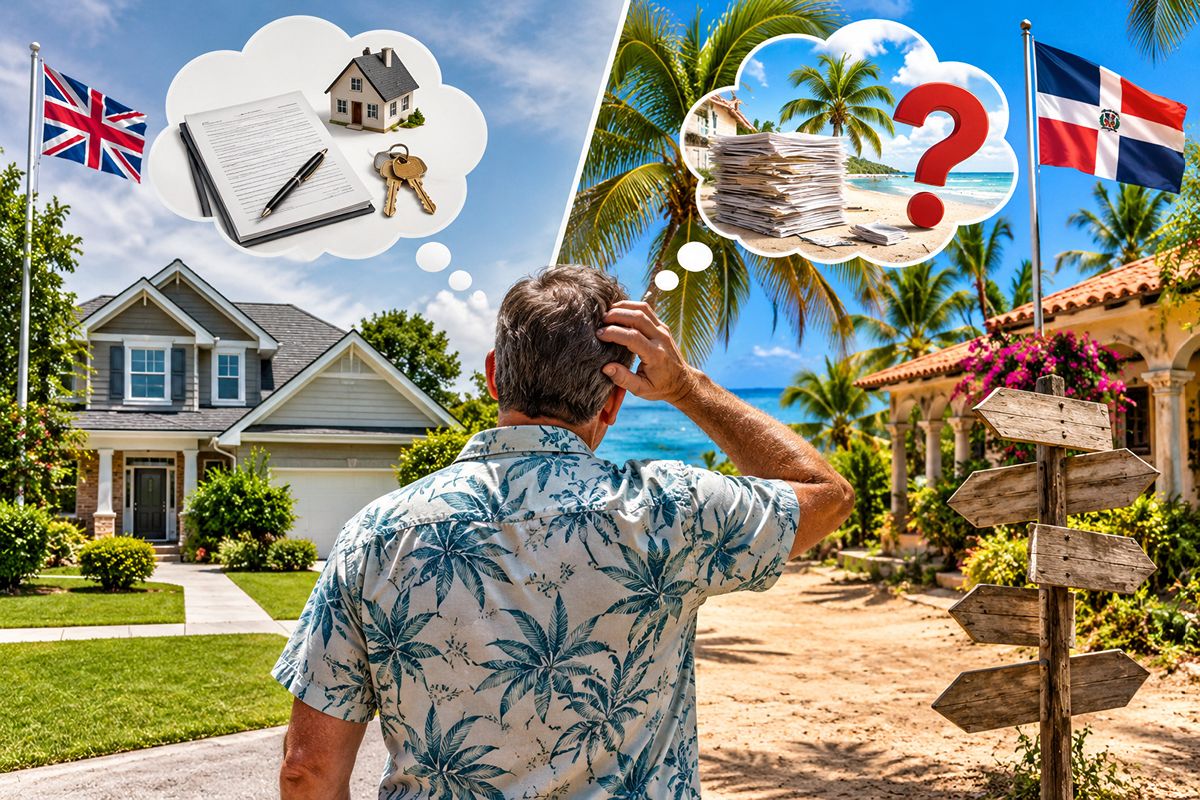
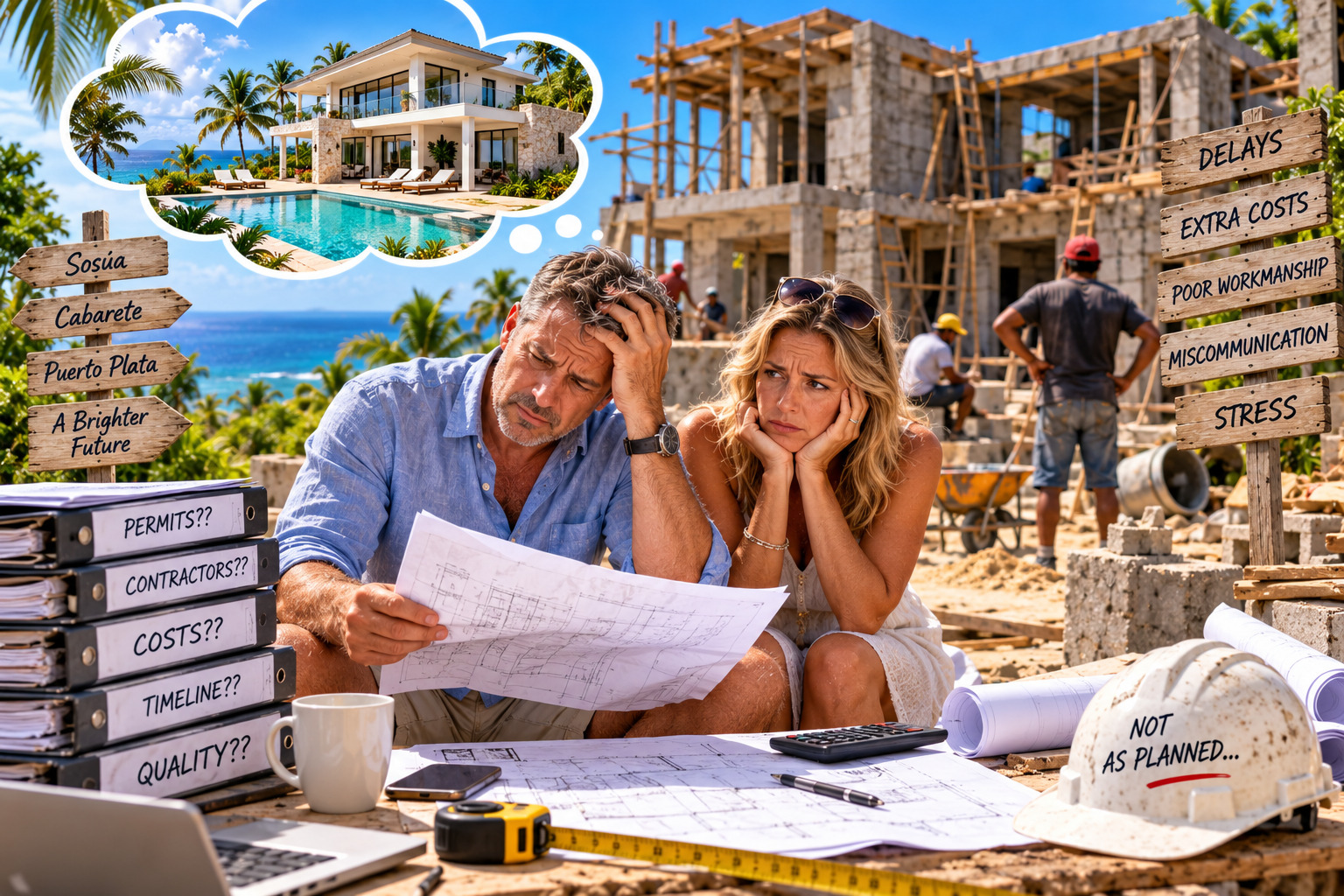
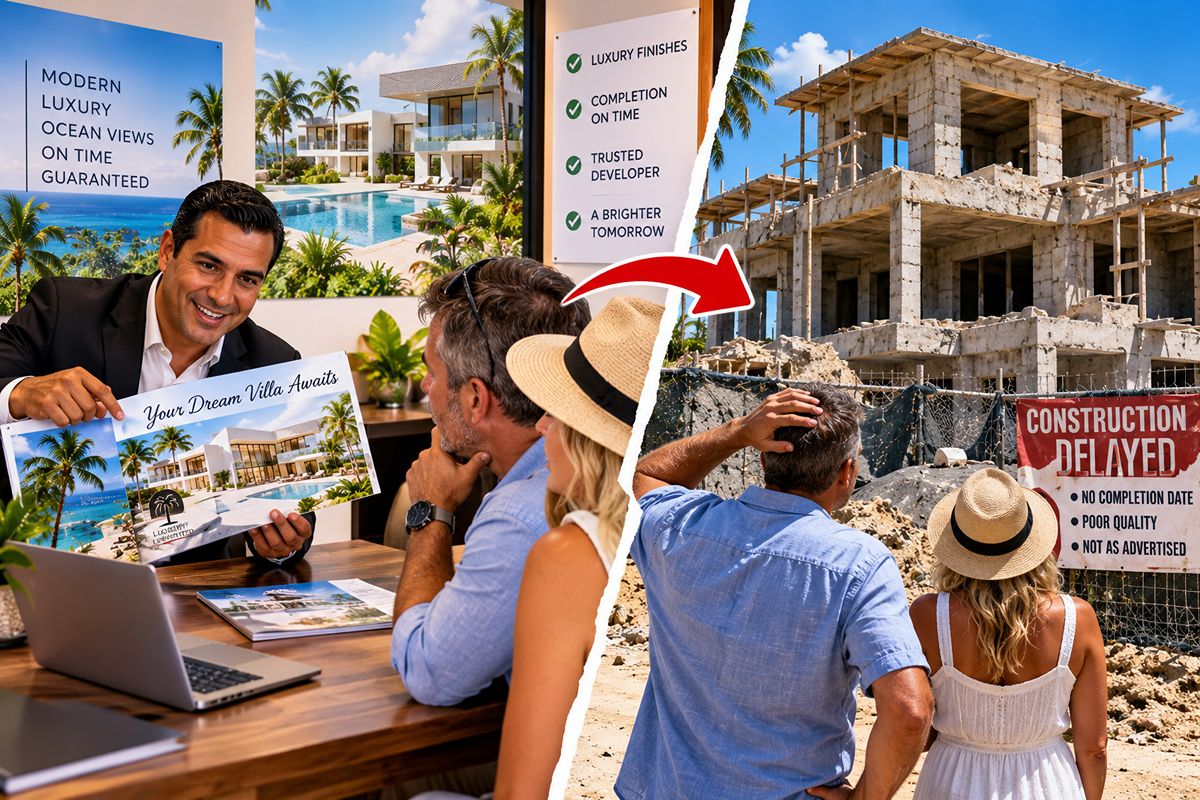
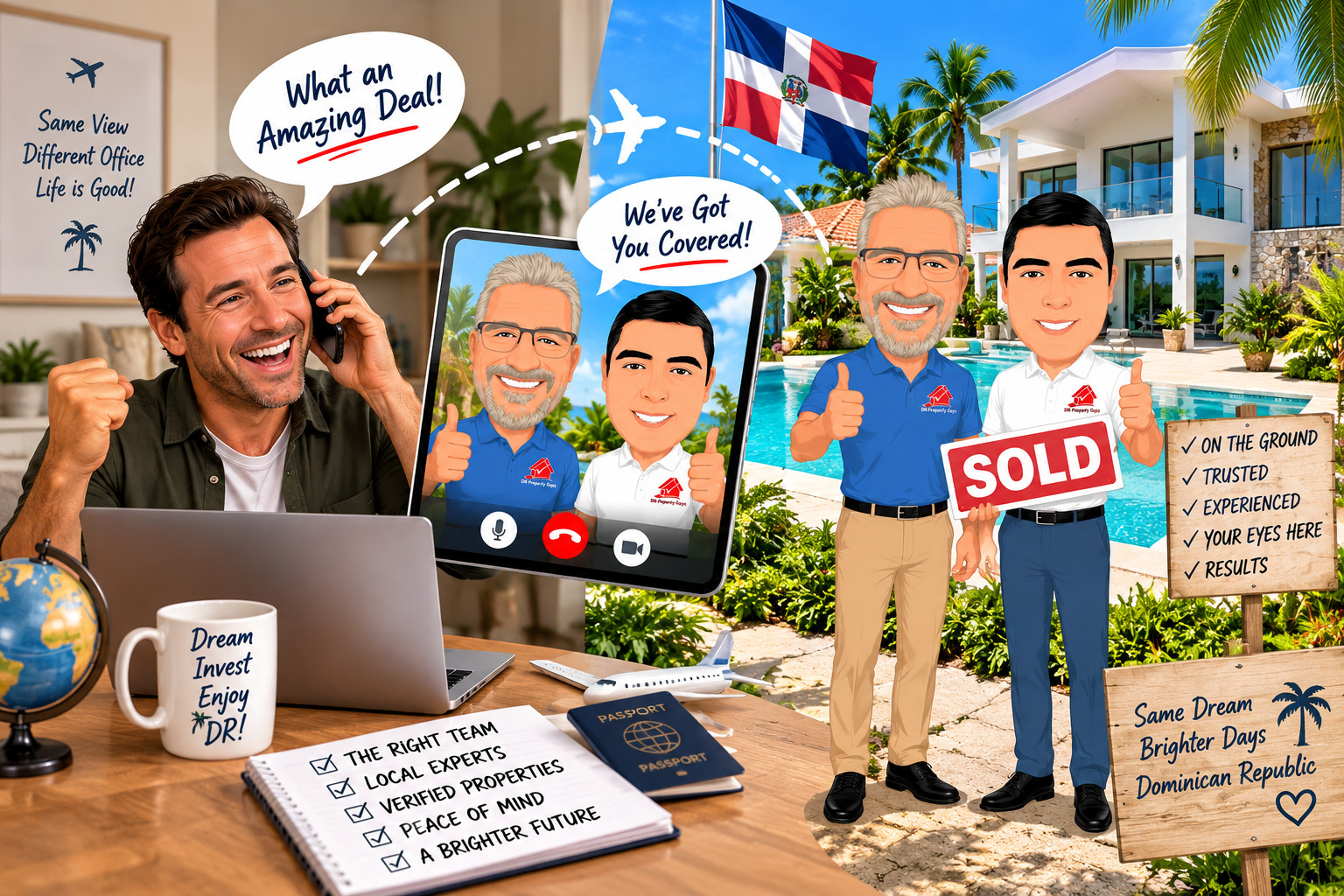
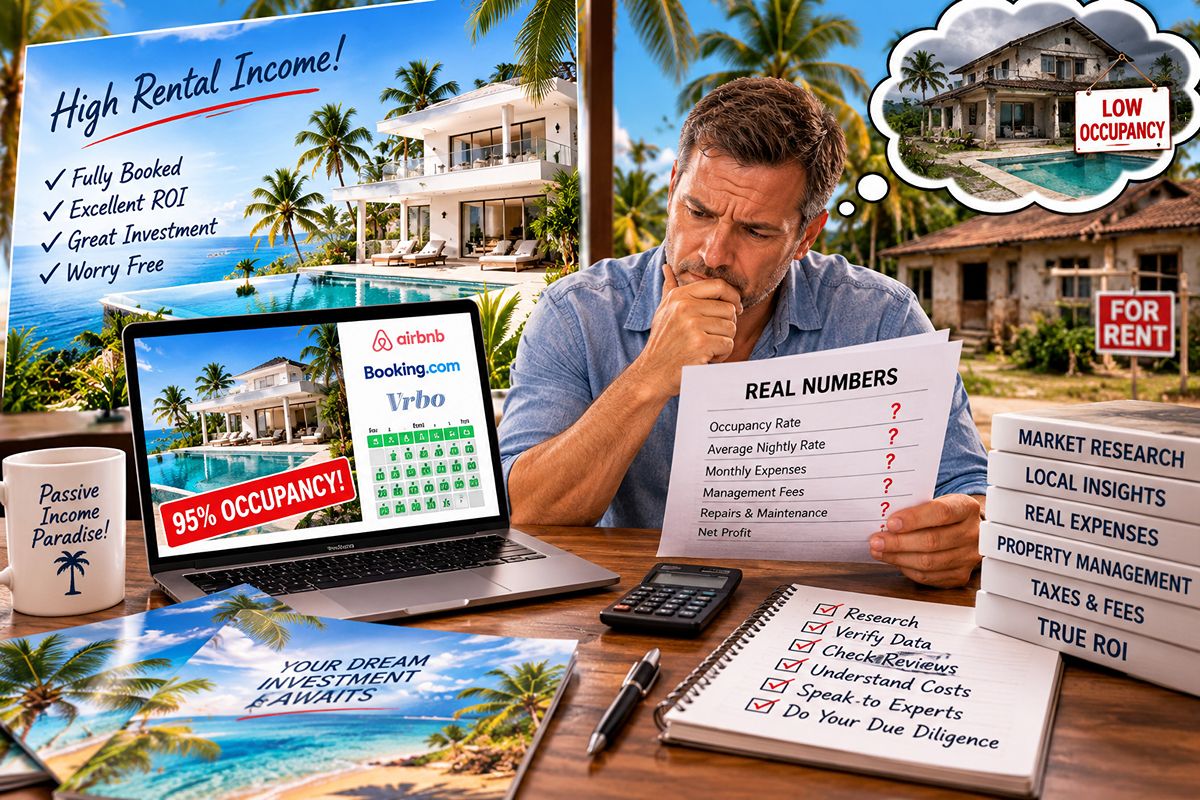

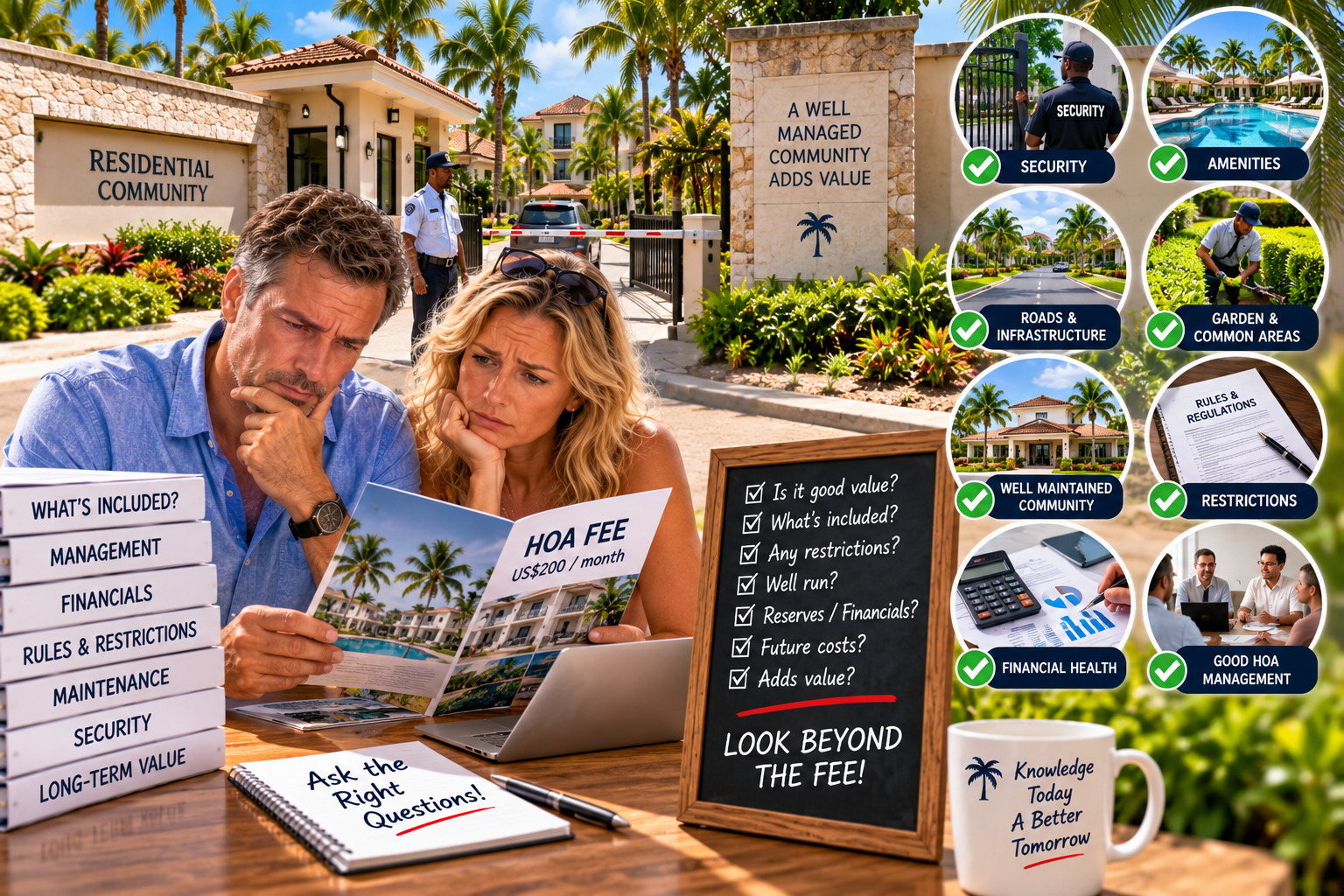
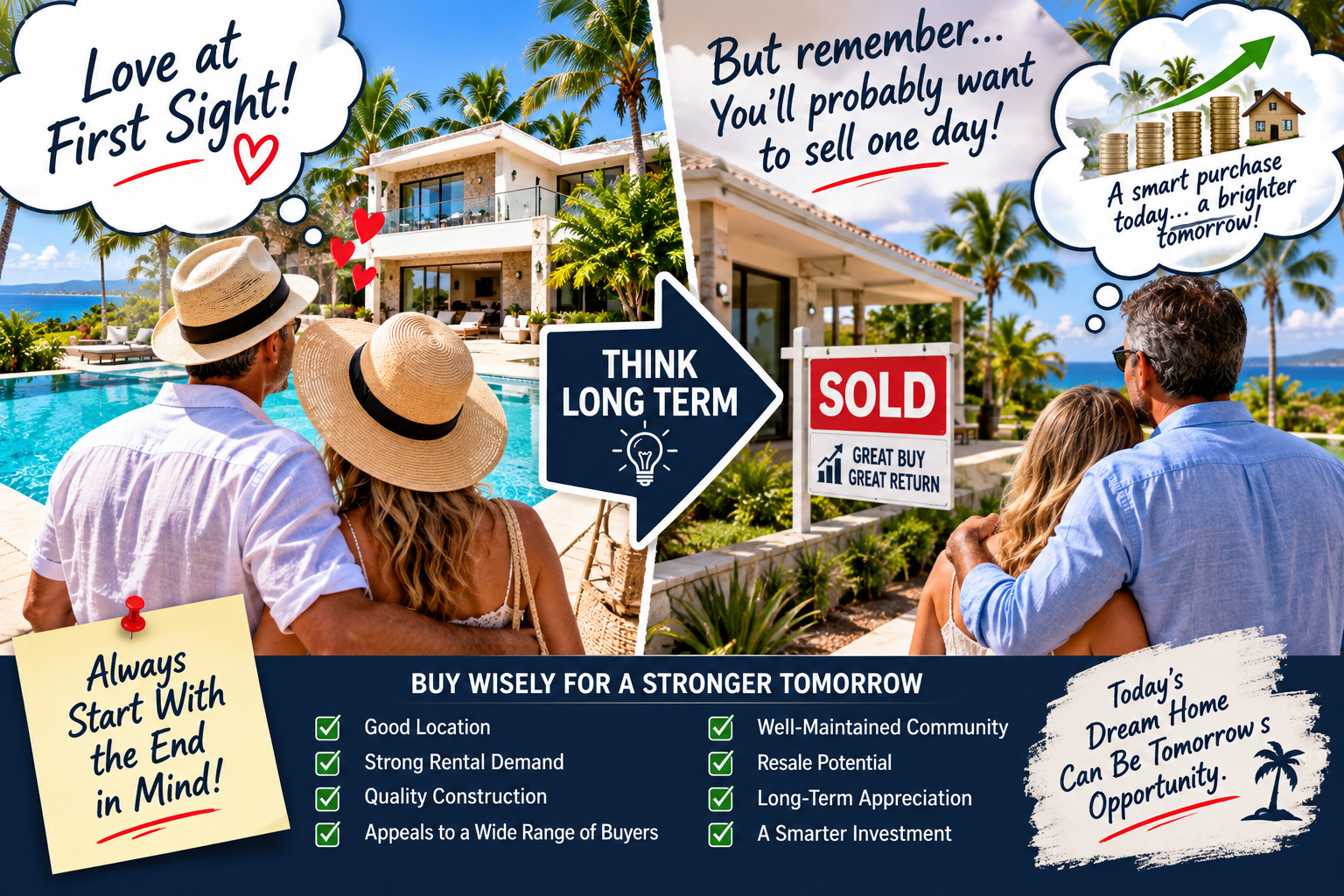
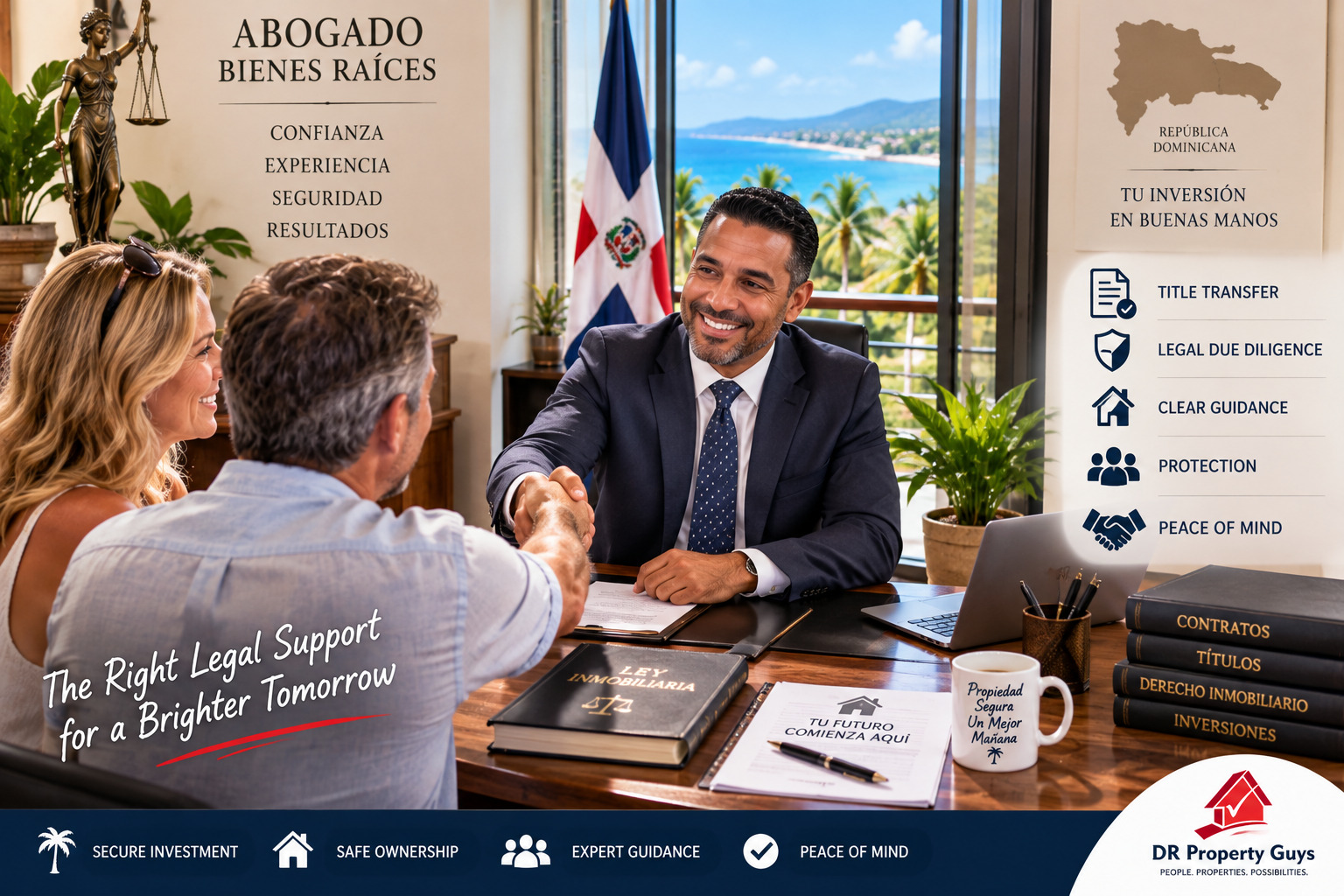
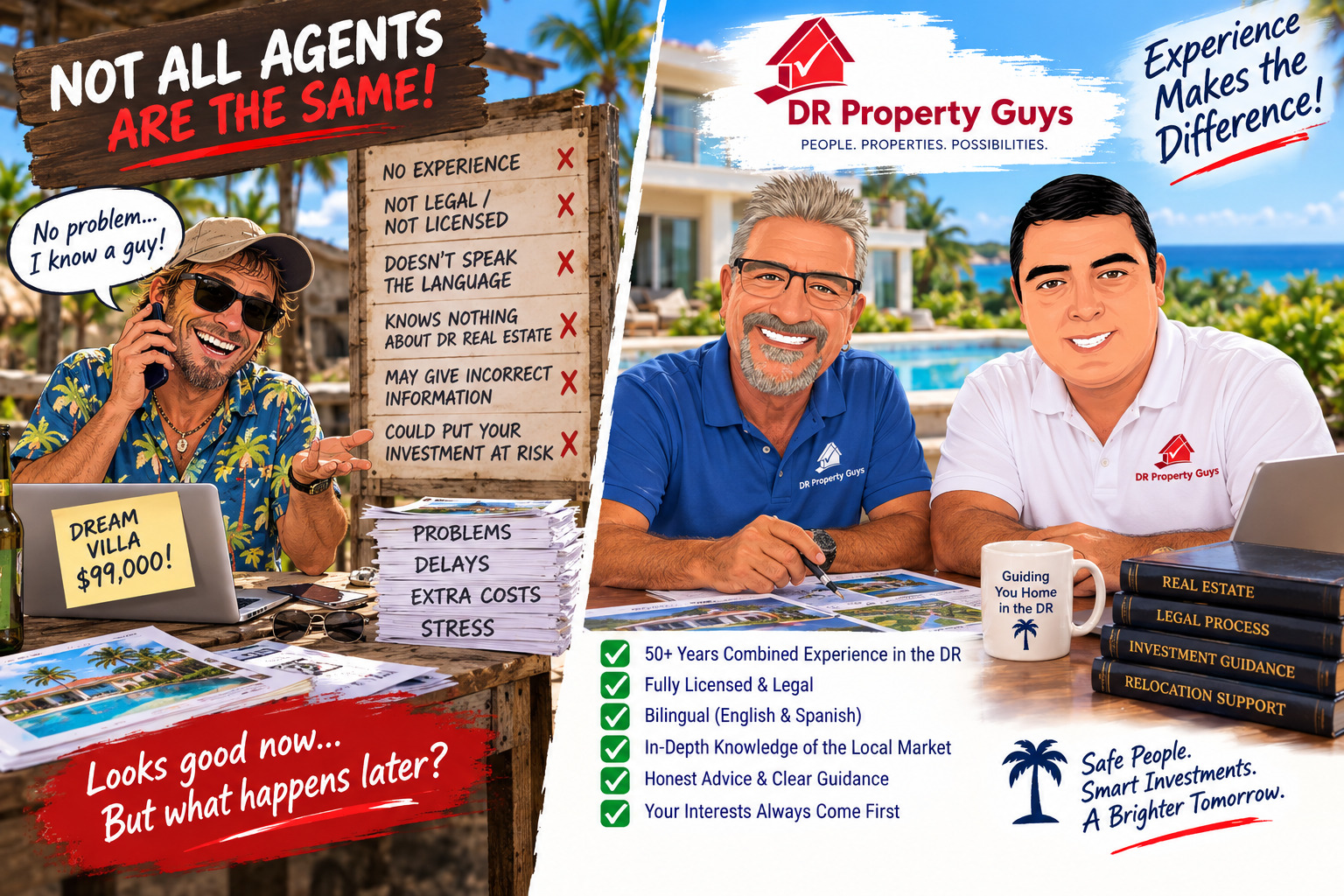

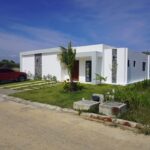
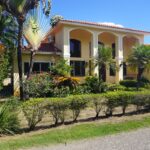

Social Links: