

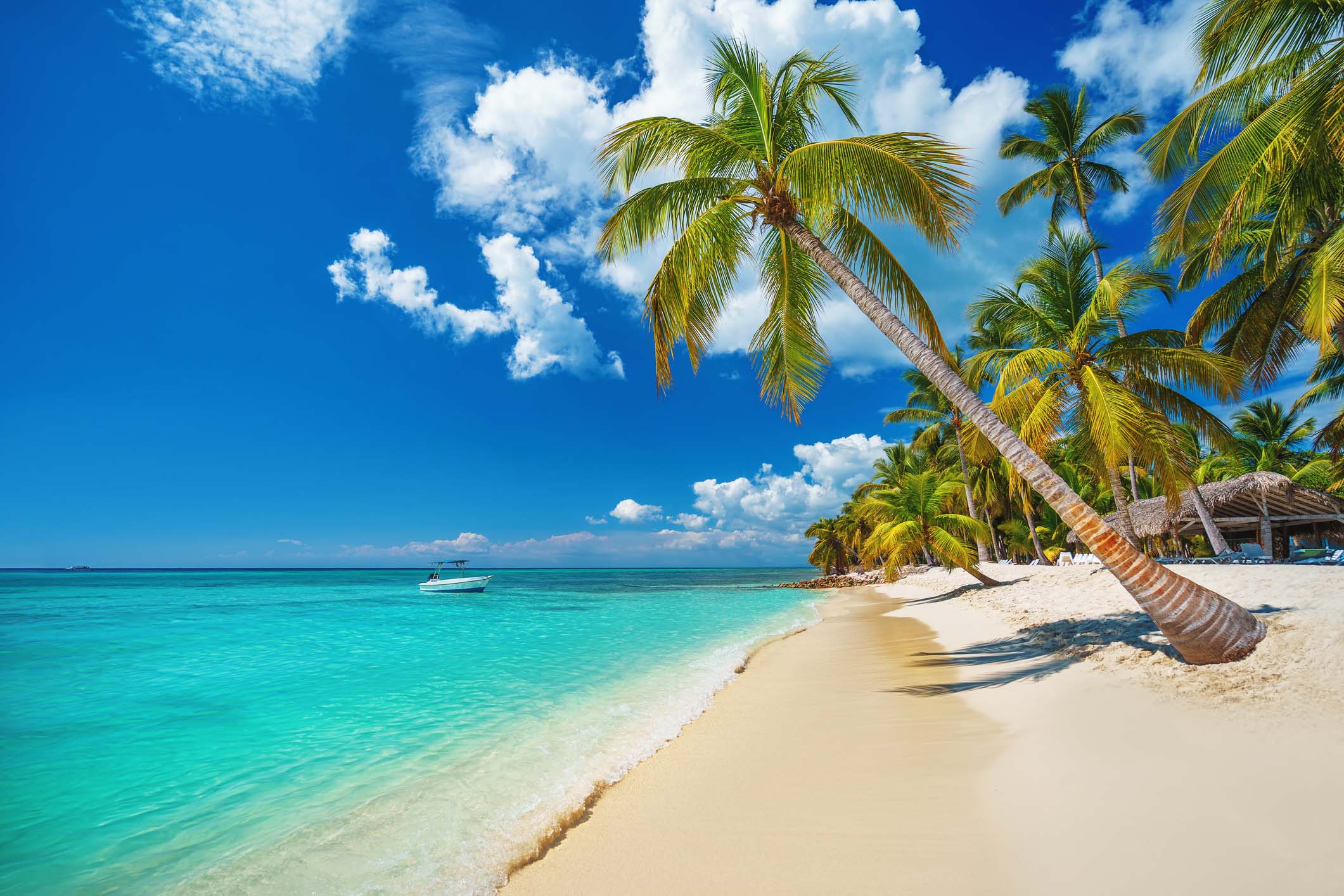
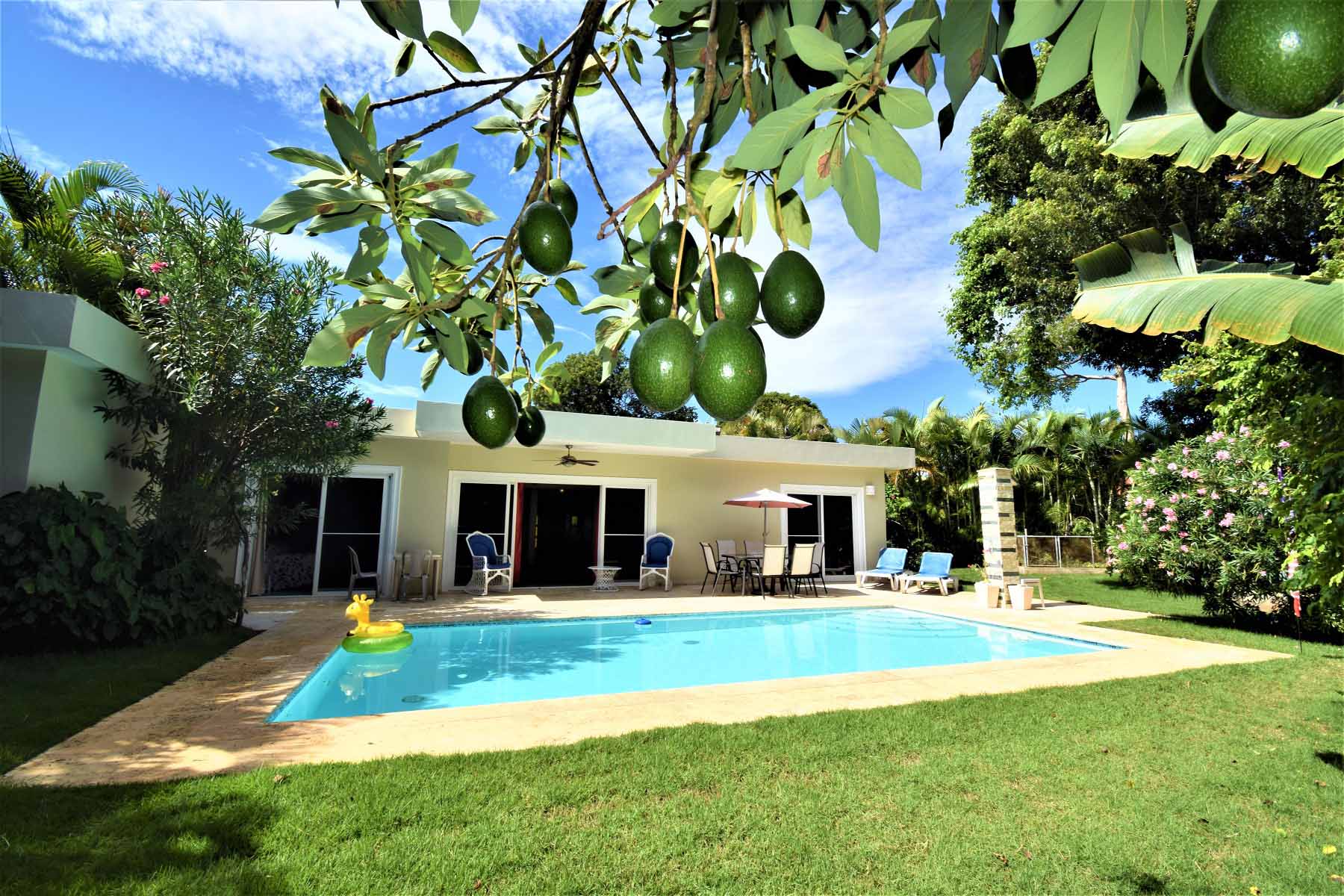
🏡 Building a House in the Dominican Republic: Your Full Guide 🇩🇴🌴
Building a House in the Dominican Republic – Your Full Guide: For many people dreaming of a new life in the Caribbean, buying an existing villa or condominium is only one option.
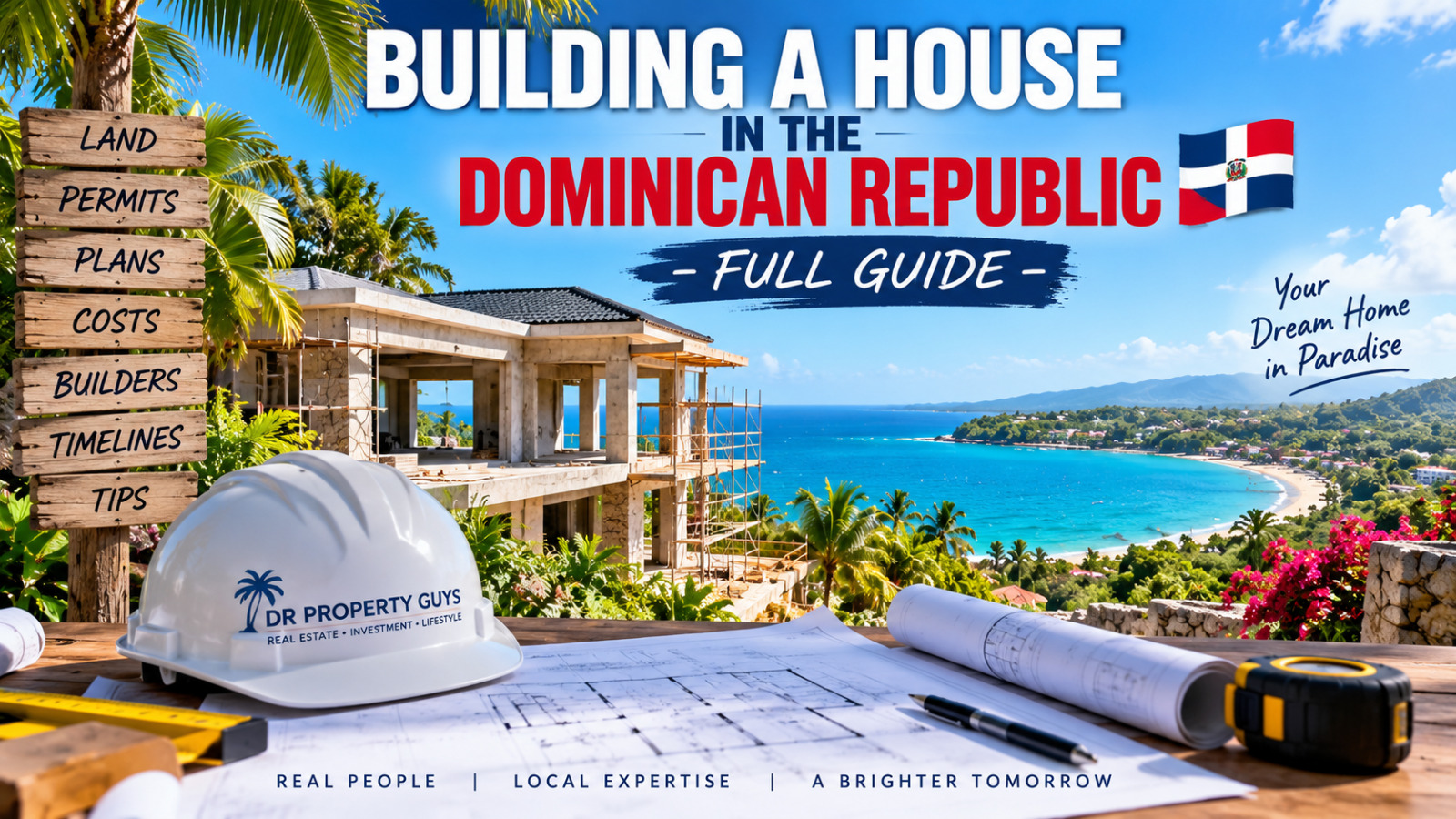
Building a House in the Dominican Republic
The other is considerably more exciting:
Buy a piece of land and build exactly the home you want.
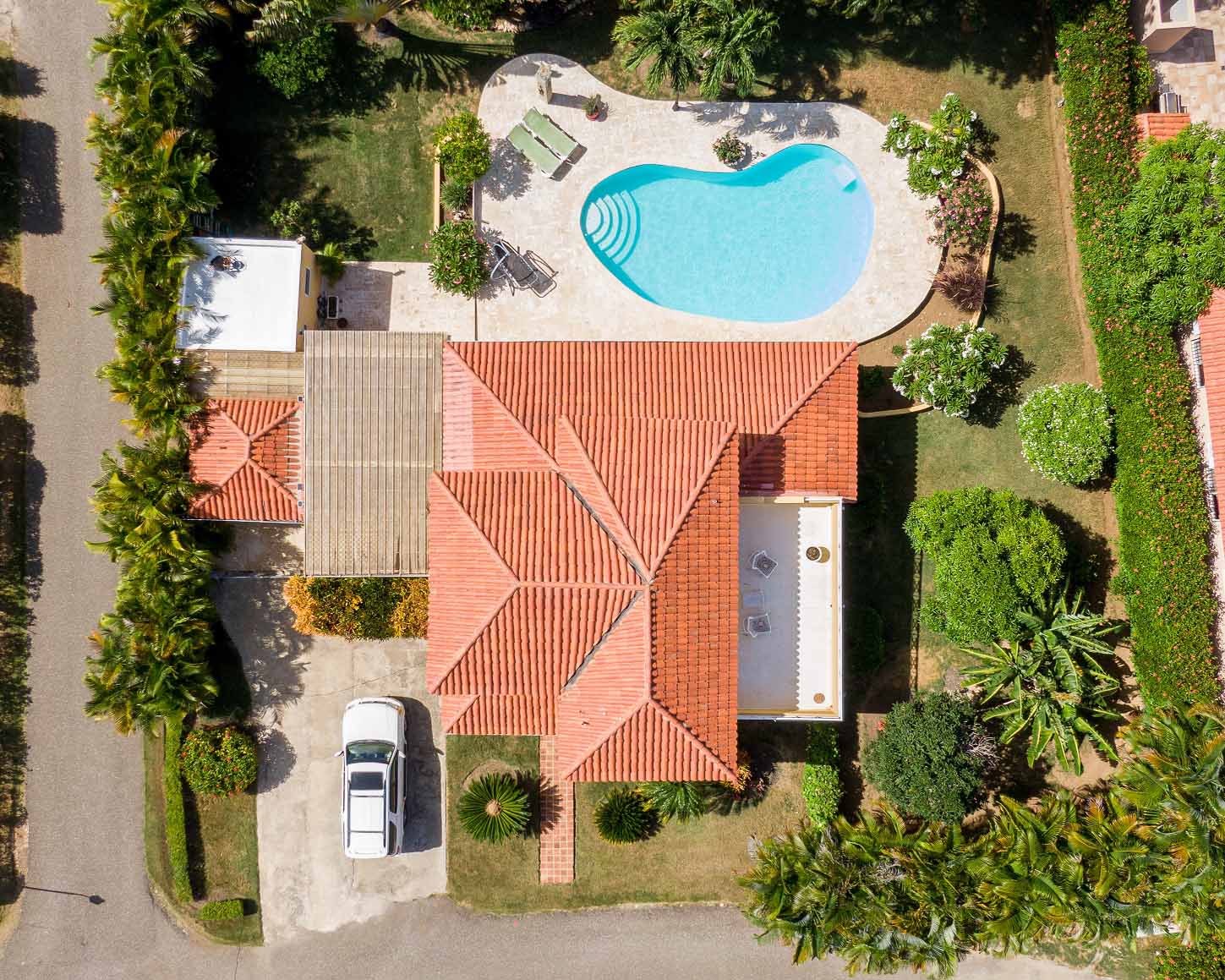
A tropical villa designed around outdoor living. A swimming pool surrounded by palms. High ceilings, wide sliding doors and shaded terraces. Perhaps an outdoor kitchen overlooking the mountains — or a home close enough to the ocean to hear the waves.
It sounds idyllic, and with the right planning, professional guidance and construction team, building a house in the Dominican Republic can be an incredibly rewarding experience.
But there is an important distinction to make:
Building successfully in the Dominican Republic isn’t simply about finding a beautiful piece of land and hiring someone to start construction.
There are legal, financial, architectural, engineering and practical considerations that need to be addressed before the first block is laid.
If you’re considering buying land and building a home in the Dominican Republic, here’s what we believe you should know.
🇩🇴 Why Build a Home in the Dominican Republic?
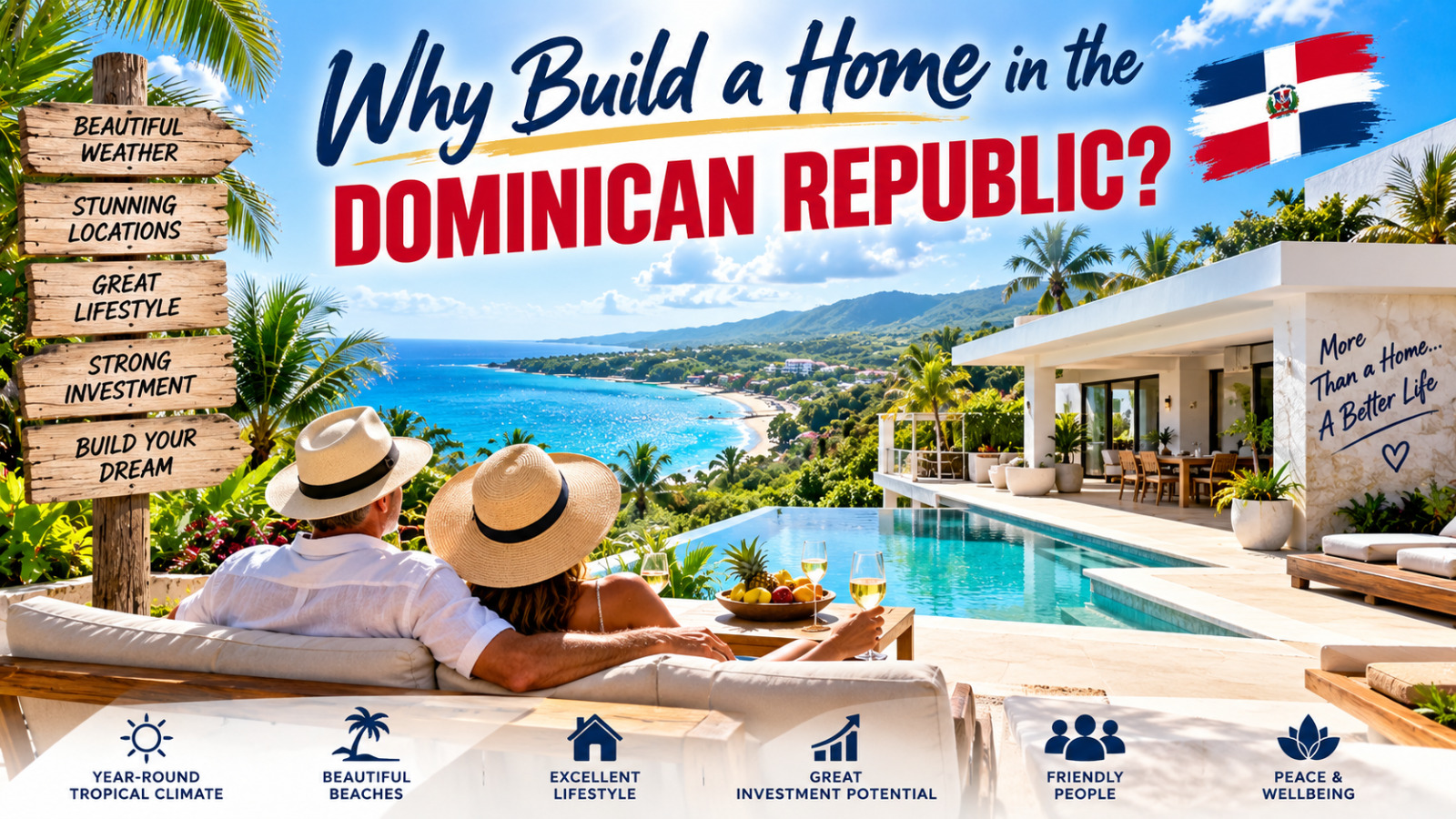
Why Build a Home in the Dominican Republic?
One of the biggest attractions of building is the freedom to create a property around the way you intend to live.
Rather than adapting to somebody else’s design decisions, a custom build can allow you to choose:
- 🏡 The architectural style and floor plan
- 🛏️ The number and size of bedrooms
- 🌴 Indoor/outdoor living areas
- 🍹 Covered terraces and entertaining spaces
- 🏊 Swimming pool design
- 🍽️ Indoor and outdoor kitchens
- 🌬️ Natural ventilation and ceiling heights
- ☀️ Solar and backup-power provisions
- 🚗 Parking and storage
- 🐕 Pet-friendly areas
- 🌺 Landscaping and tropical gardens
- 🚿 Fixtures, ceramics, cabinetry and finishes
The Caribbean climate also creates opportunities for a style of living that can be difficult to replicate elsewhere.
Here on the North Coast of the Dominican Republic, a covered terrace can become another living room. Kitchens can flow into outside dining areas, bedrooms can open onto tropical gardens, and swimming pools can become part of everyday life rather than something used for a few weeks each year.
Done well, the house isn’t simply placed in the Caribbean.
It’s designed for the Caribbean.
📍 Step 1: Choose the Right Location
Before worrying about countertops, swimming pools or architectural plans, there’s a much bigger decision:
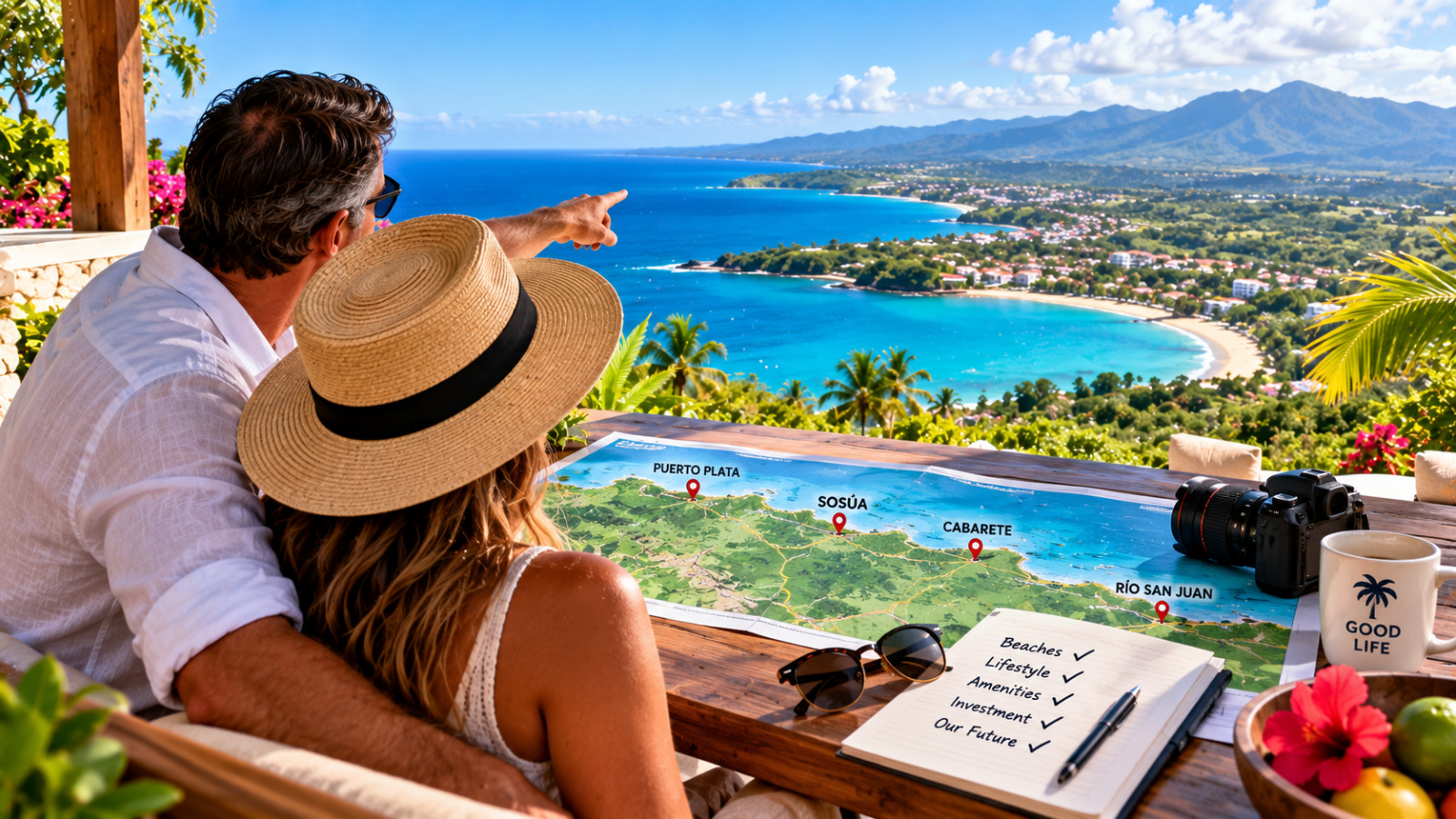
Choosing the Right Location
Where should you build?
The Dominican Republic is remarkably diverse. Santo Domingo offers big-city living; Punta Cana is one of the Caribbean’s largest tourism destinations; the Cibao provides spectacular countryside and mountain landscapes.
And then there is the North Coast.
For many international buyers considering Dominican Republic real estate, the corridor stretching from Puerto Plata through Sosúa, Encuentro and Cabarete toward Río San Juan and Cabrera offers an attractive combination of lifestyle and practicality.
Depending upon the location, buyers can find:
🌊 Beautiful beaches
⛰️ Mountains and lush tropical scenery
✈️ Convenient international air access
🏥 Private healthcare facilities
🛒 Supermarkets and everyday services
🍽️ Excellent restaurants
🏄 Surfing, kiteboarding and watersports
🏡 Established residential and gated communities
🤝 Large international and Dominican communities
But even within the North Coast, one location can be very different from another.
A person looking for a quiet retirement home may have completely different priorities from someone building a vacation rental, while a family relocating permanently will have different requirements again.
Buy the location for the life you actually intend to live — not simply for the view you fall in love with on vacation.
🌴 Where to Build on the North Coast?
There is no single “best” location. There is only the location that best fits your priorities.
🌆 Puerto Plata
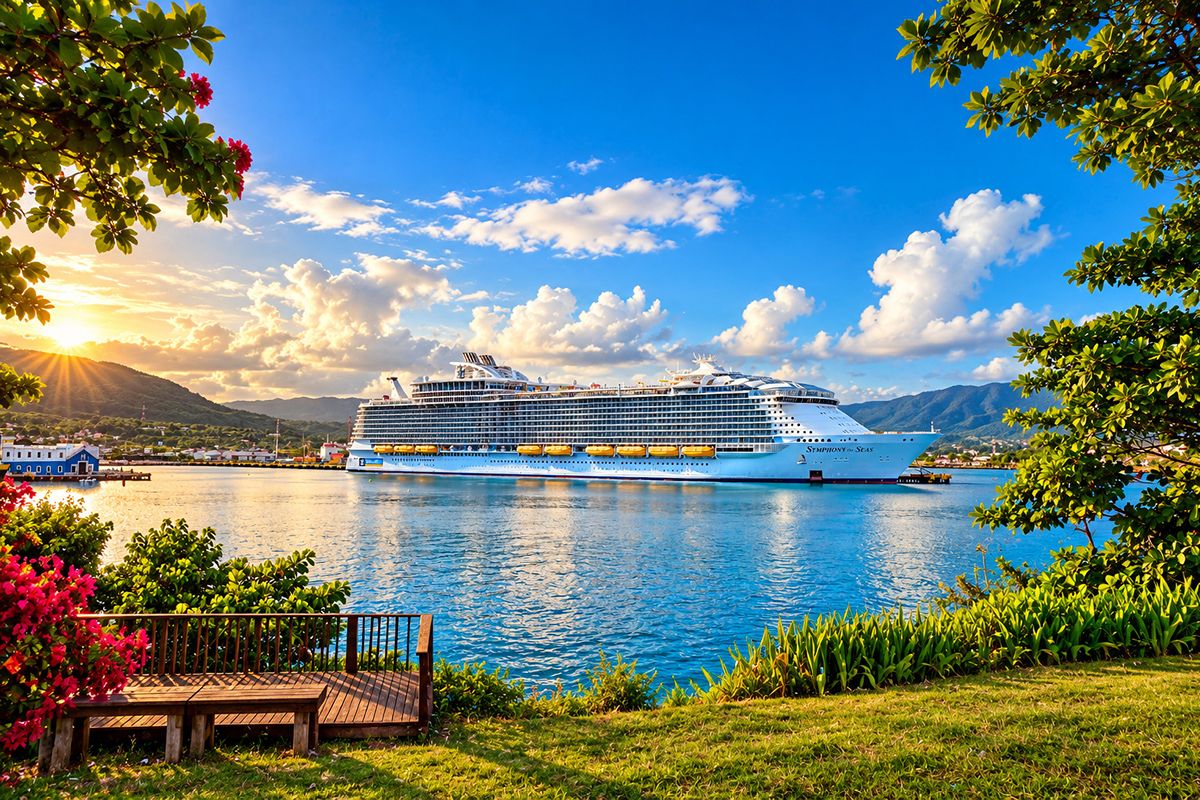
One of Puerto Plata’s Two Cruise Ports
A genuine Dominican city with shopping, schools, healthcare, restaurants, history and major tourism infrastructure. Buyers can enjoy city convenience while remaining close to beaches and mountains. Puerto Plata is now a major cruise destination with two international cruise ports bringing clients from all over the world.
🏖️ Costambar & Playa Dorada
Established communities close to Puerto Plata offering beach access and a range of residential opportunities. They can be particularly interesting to buyers who want convenience without being far removed from the city.
🌊 Sosúa
One of the North Coast’s best-established international communities, with supermarkets, restaurants, beaches, medical services and numerous gated residential developments. Sosúa real estate offers everything from condominiums and established villas to opportunities for new construction.
🌬️ Cabarete & Encuentro
International, active and lifestyle-driven. Cabarete is famous for watersports, while Encuentro has developed into a highly desirable surfing and residential community. Both attract buyers looking for a relaxed coastal lifestyle.
🌿 Río San Juan & Cabrera
Travel farther east and development becomes more dispersed, with spectacular scenery and opportunities for buyers seeking greater privacy, larger properties and a quieter environment.
The right choice depends upon your budget, lifestyle, construction objectives and long-term plans.
📜 Step 2: Do Your Due Diligence BEFORE Buying Land
Do Your Due Diligence
This is arguably the most important part of the entire process.
A beautiful plot does not automatically mean it is a good building lot.
Before purchasing land in the Dominican Republic, your realtor / attorney and other appropriate professionals should verify everything relevant to the property and proposed construction.
That may include matters such as:
- 📑 Ownership and title documentation
- 📍 Survey and property boundaries plus soil study, (aka geotechnical investigation)
- ⚖️ Liens, encumbrances or other legal issues
- 🏗️ Applicable construction and planning requirements
- 🛣️ Legal and practical access
- 💧 Water availability
- ⚡ Electrical infrastructure
- 🌧️ Drainage
- 🧱 Soil and site conditions
- 🏘️ Community construction regulations where applicable
- 💰 HOA or maintenance obligations / potential restrictions
- 📐 Restrictions affecting the type or size of property you intend to build
This is one area where shortcuts can become extraordinarily expensive.
Never assume that because land is for sale, you can automatically build whatever you want on it.
Have qualified professionals establish what is legally and practically possible before you commit your money.
🏗️ Step 3: Understand That Building Requires Professional Planning
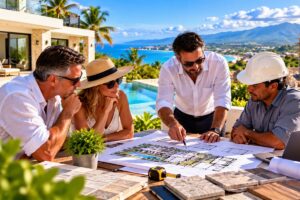
Building Requires Professional Planning
One of the biggest misconceptions we encounter is the idea that someone can purchase a plot of land, draw up a rough plan and simply hire a construction crew.
A legitimate construction project involves considerably more.
Depending upon the project and location, architectural and engineering plans, professional approvals, permits and other authorizations may be required before and during construction.
Requirements can vary according to the property and project, which is why the correct process should be established with a qualified Dominican architect, engineer and attorney before construction begins. A good realtor can also assist you with all these matters.
There may also be regulations governing labor, utilities, wastewater, environmental considerations and the construction itself.
This isn’t intended to frighten anyone away from building.
Quite the opposite.
The objective is to get everything right at the beginning, when problems are much easier — and considerably less expensive — to solve.
🔐 Step 4: Consider Building Within an Established Gated Community
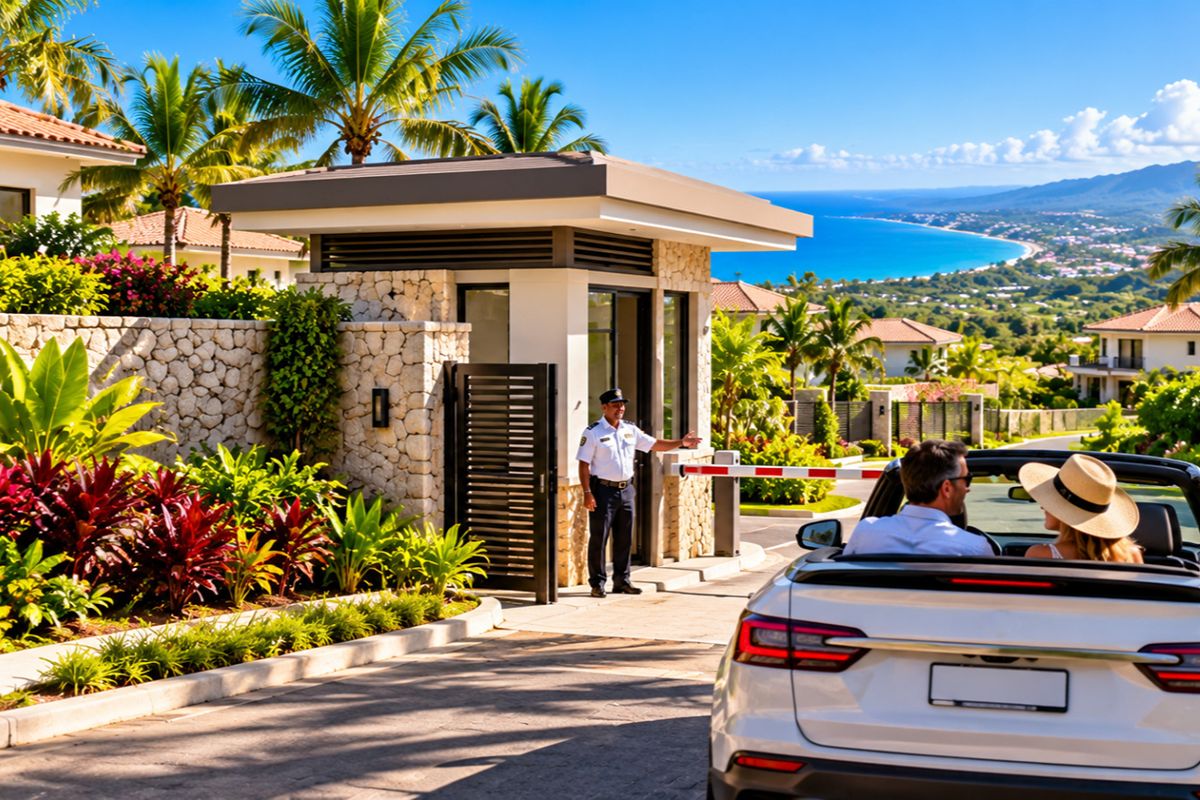
Consider Building Within an Established Gated Community
For an international buyer unfamiliar with construction in the Dominican Republic, building inside a reputable established development can offer some significant practical advantages.
Depending upon the community, infrastructure may already include:
- Roads
- Electricity
- Water
- Security
- Common-area maintenance
- Drainage
- Community management
- Established architectural guidelines
Some communities also work with experienced developers offering established villa models that can then be customized.
For the right buyer, this can provide an attractive middle ground between purchasing an existing home and managing an entirely independent construction project.
You still get the excitement of creating your own property — but within a more established framework.
However, the same rule applies: investigate the developer and community thoroughly before committing.
👷 Step 5: Choose the Developer or Builder VERY Carefully
A magnificent architectural plan is only as good as the people responsible for turning it into reality.
When considering a builder or developer, don’t simply look at photographs.
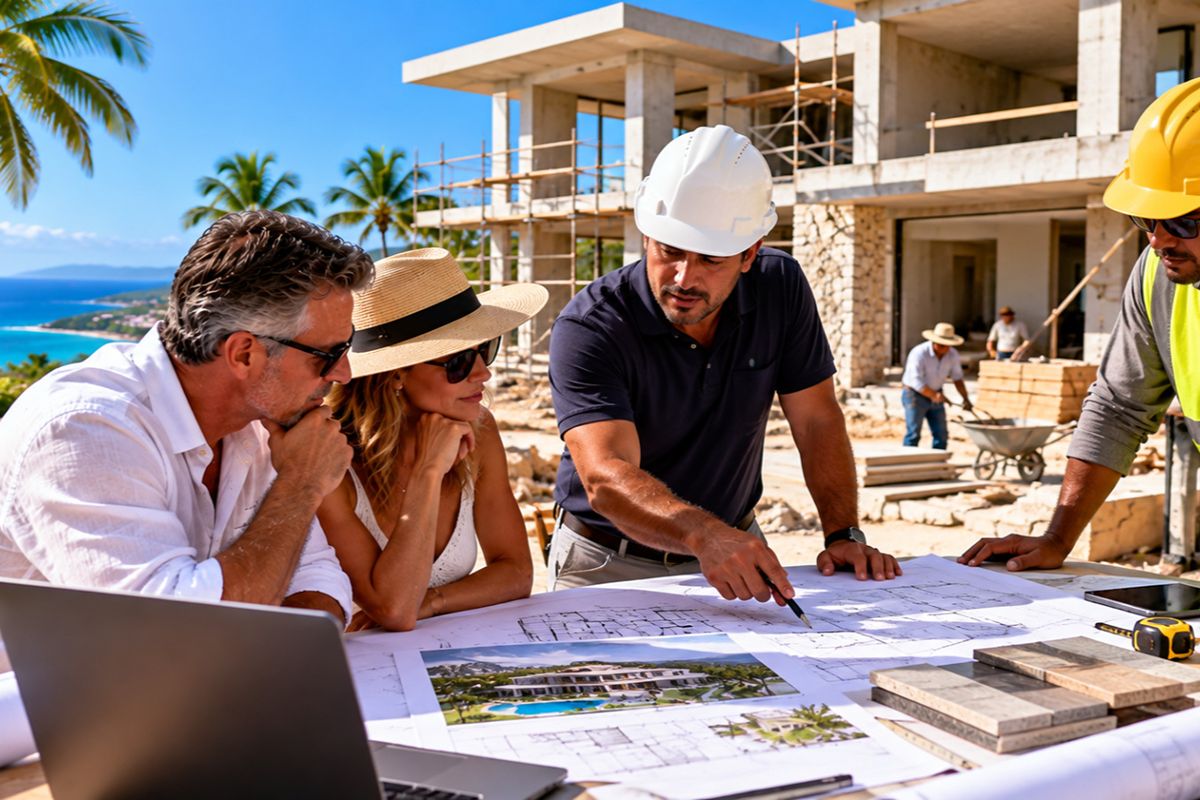
A Reputable Developer is Key
Look at their history.
Ask to see completed homes.
Speak with previous clients if possible.
Look at properties that were completed several years ago — not only the shiny new show home.
Ask questions about:
- Construction specifications
- Materials
- Payment schedules
- Completion timelines
- Warranties
- Change orders
- Supervision
- Communication
- What is included — and importantly, what isn’t
A cheaper construction quotation isn’t necessarily a cheaper house.
If essential items have been omitted from one proposal, the final cost can look very different once construction is underway.
Compare specifications, not simply headline prices.
💰 Step 6: Establish a REALISTIC Construction Budget
Every prospective builder begins with a number.
But the actual budget needs to go beyond walls, windows and a roof.
Depending upon your project, additional costs might include:
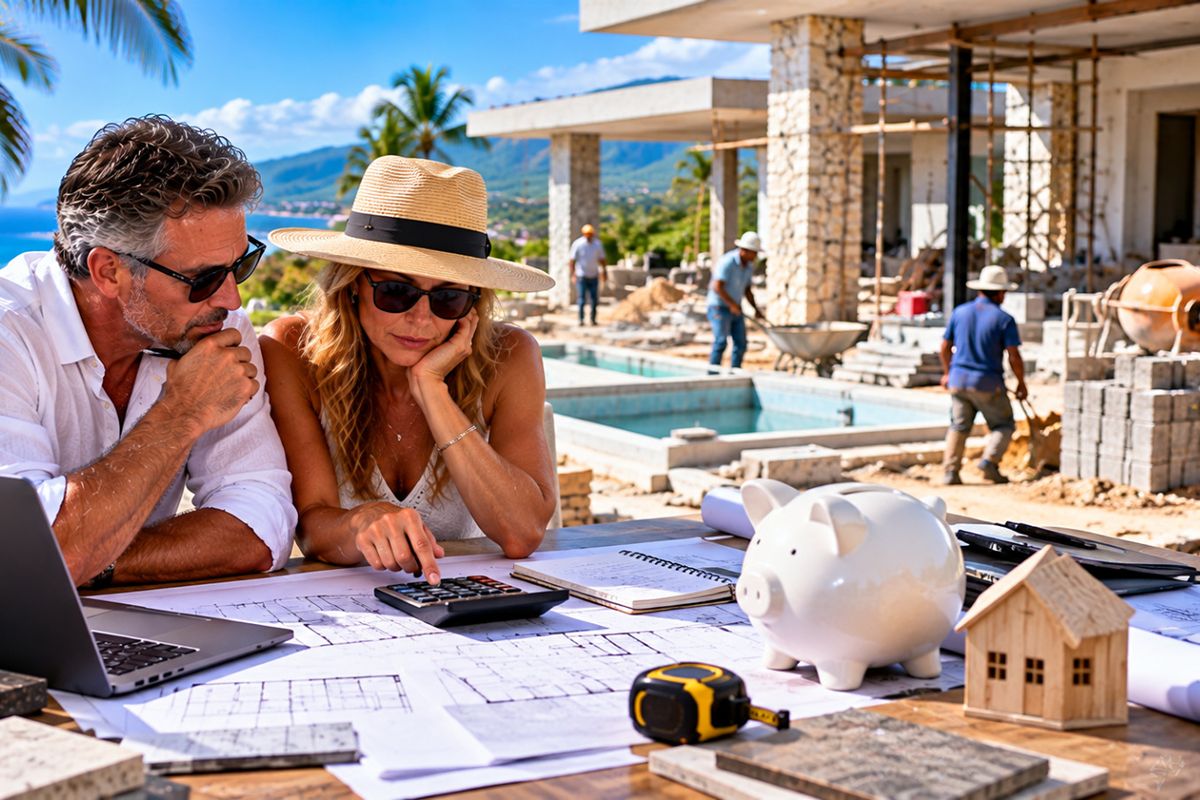
Establish a Thorough Budget with Contingency Plans
🏊 Swimming pool
🌴 Landscaping
🚧 Driveways and exterior works
🧱 Boundary walls or fencing
🍳 Appliances
🛋️ Furniture
❄️ Air-conditioning
☀️ Solar equipment
🔋 Inverters and battery backup
💡 Lighting
🍹 Outdoor kitchen
🚿 Upgraded fixtures
📑 Professional and legal costs
📐 Architectural or engineering services
🚢 Imported items and transportation
Then there are changes.
That beautiful tile you discovered halfway through construction.
The larger terrace that suddenly seems essential.
Extra electrical outlets.
A bigger kitchen island.
Different doors.
An outdoor shower.
Individually these decisions may not seem dramatic. Collectively, they can change a construction budget considerably.
Create your wish list before construction begins and maintain a contingency for the unexpected. You also MUST consider the carrying costs of the property once finished and move in ready.
📐 Step 7: Design for the Dominican Climate
Building a Caribbean home shouldn’t necessarily mean reproducing a house designed for Toronto, London or New York.
Climate matters.
Thoughtful positioning, airflow, shade and ventilation can dramatically affect how comfortable a tropical home feels.
Consider:
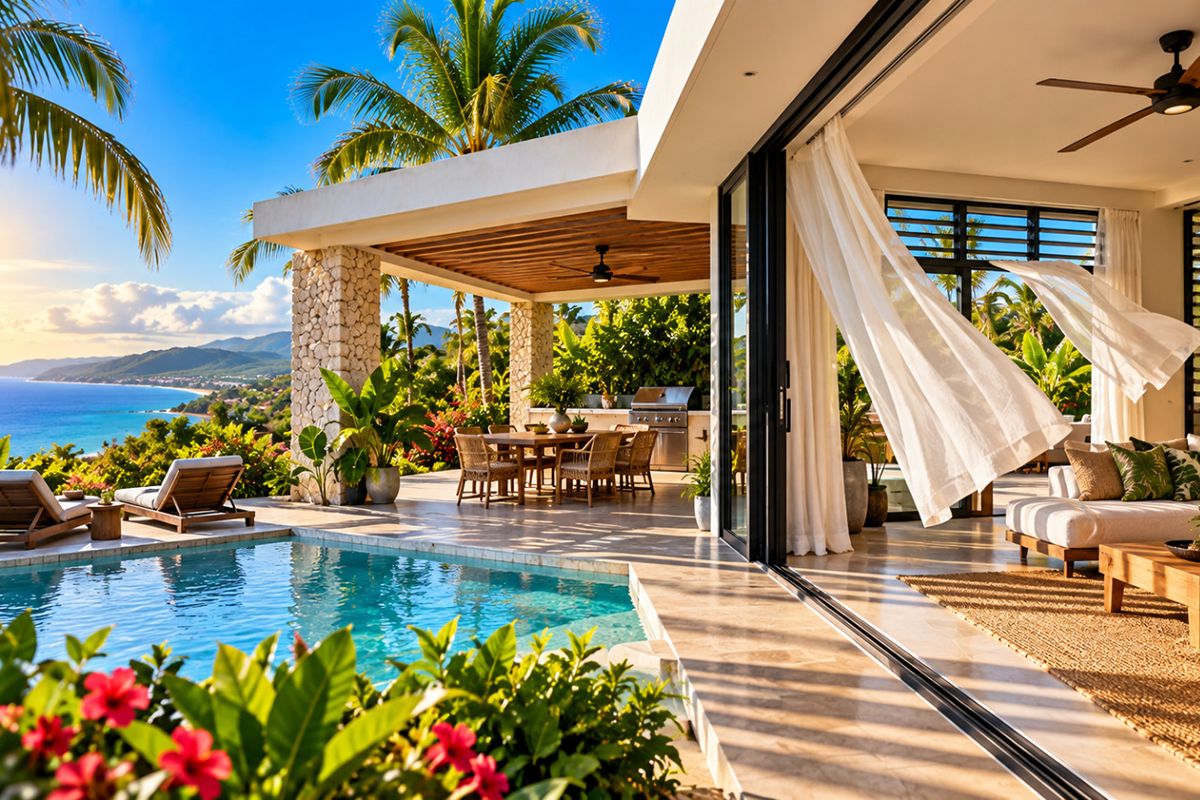
Always Consider the Climate
🌬️ Cross ventilation
☀️ Orientation to the sun
🌴 Shaded outdoor areas – A quality outdoor living area is essential
🏠 Roof and ceiling design
🚪 Large openings and sliding doors
🌧️ Heavy tropical rainfall and drainage
🦟 Screens and insect protection
❄️ Efficient air-conditioning where required
🔋 Backup electricity
💧 Water storage and pressure systems
And never underestimate the value of a large covered terrace.
People sometimes arrive thinking of the terrace as an optional extra.
After living here, many discover it becomes one of the most frequently used parts of the entire house.
Morning coffee, lunch, dinner, entertaining friends, reading, working on a laptop or simply watching a tropical downpour…
Outdoor living is part of Dominican living. Design for it from day one.
🎨 Step 8: Have Fun Choosing the Finishes
This is where a construction project finally begins to feel personal.
The Dominican Republic has a surprisingly broad selection of locally available:
- Ceramics and porcelain

- Natural stone
- Countertops
- Bathroom fixtures
- Lighting
- Cabinetry
- Doors
- Windows
- Appliances
- Furniture
- Outdoor furnishings
Some homeowners also choose to import particular fixtures, personal belongings or specialty products from overseas.
There is no universal right answer.
The key is planning ahead so that your builder knows exactly what is being installed, when it will arrive, and whether any design or installation changes are required.
📸 Step 9: Stay Involved During Construction
If you’re building while living overseas, communication becomes particularly important.
Regular:
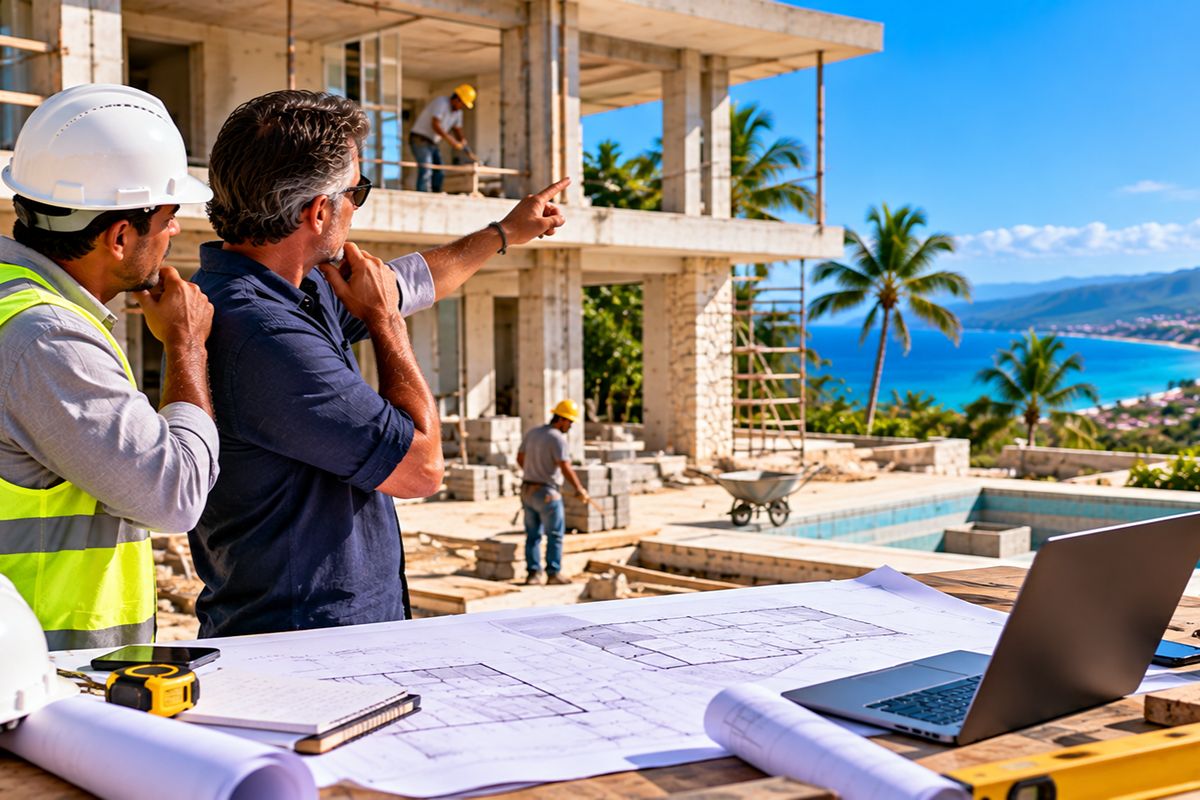
Keep Informed and Involved
📸 Photographs
🎥 Video walkthroughs
📋 Construction updates
💰 Budget reports
📅 Progress reports
A good real estate agent can help you understand exactly what is happening on site.
But pictures alone aren’t a substitute for professional construction supervision.
For a substantial independent project, having appropriately qualified people protecting your interests locally can be invaluable.
Problems are usually easier to correct while something is being built than after it has been tiled, painted and handed over.
⚠️ Building Independently vs Buying From an Established Developer
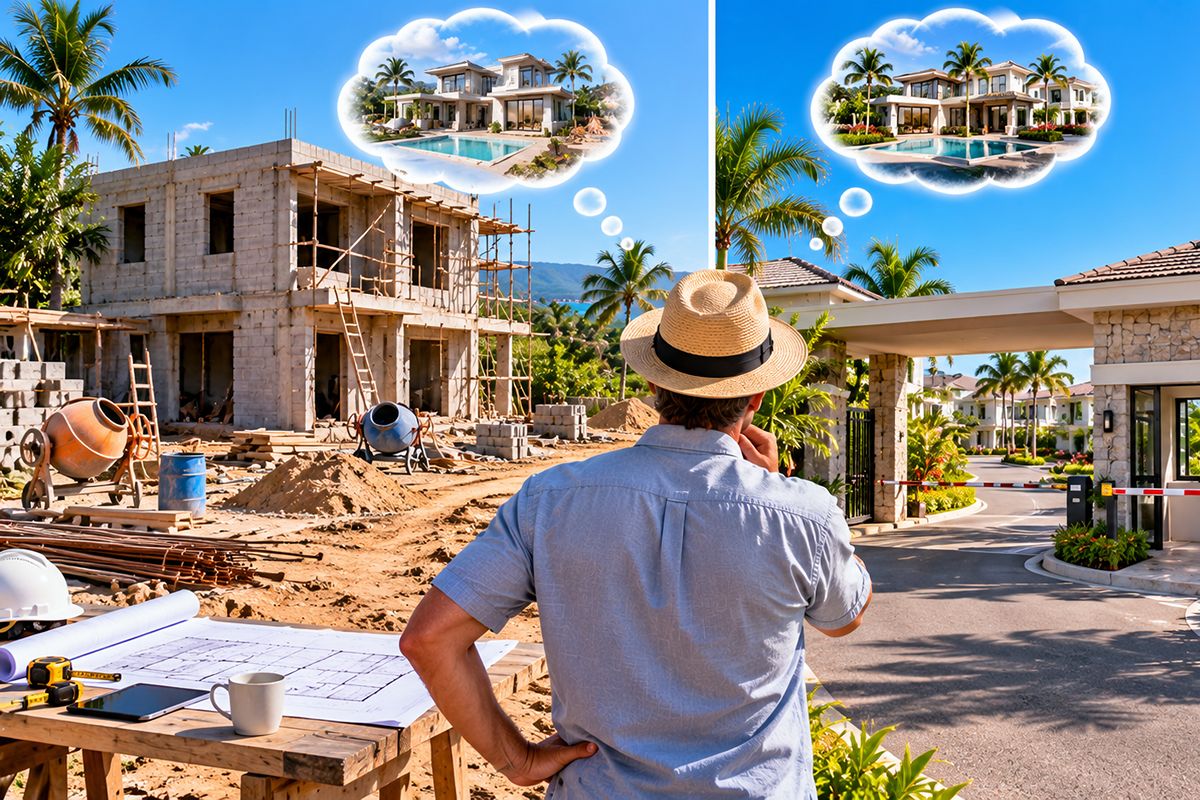
Quien mucho abarca, poco aprieta: An old Spanish proverb meaning “he who embraces too much squeezes little,”
This deserves serious consideration.
Buying land independently and commissioning a completely custom house can offer tremendous freedom.
It can also place considerably more responsibility on the owner.
You may need to coordinate land due diligence, design, permits, engineers, contractors, construction supervision, purchasing, payments, utilities, landscaping and countless other decisions. And you will need to do it in Spanish.
Building through an established reputable developer may provide less flexibility, but potentially a much more structured process.
Neither route is automatically better.
It comes down to your experience, expectations, appetite for involvement and the quality of the professionals around you.
For somebody new to the country, simplicity has a value of its own.
🚩 The Cheapest Option Can Become the Most Expensive
This is worth repeating.
Price should never be your only consideration when building a house in the Dominican Republic.
Construction is an area where attempting to save money at the wrong stage can produce precisely the opposite result.
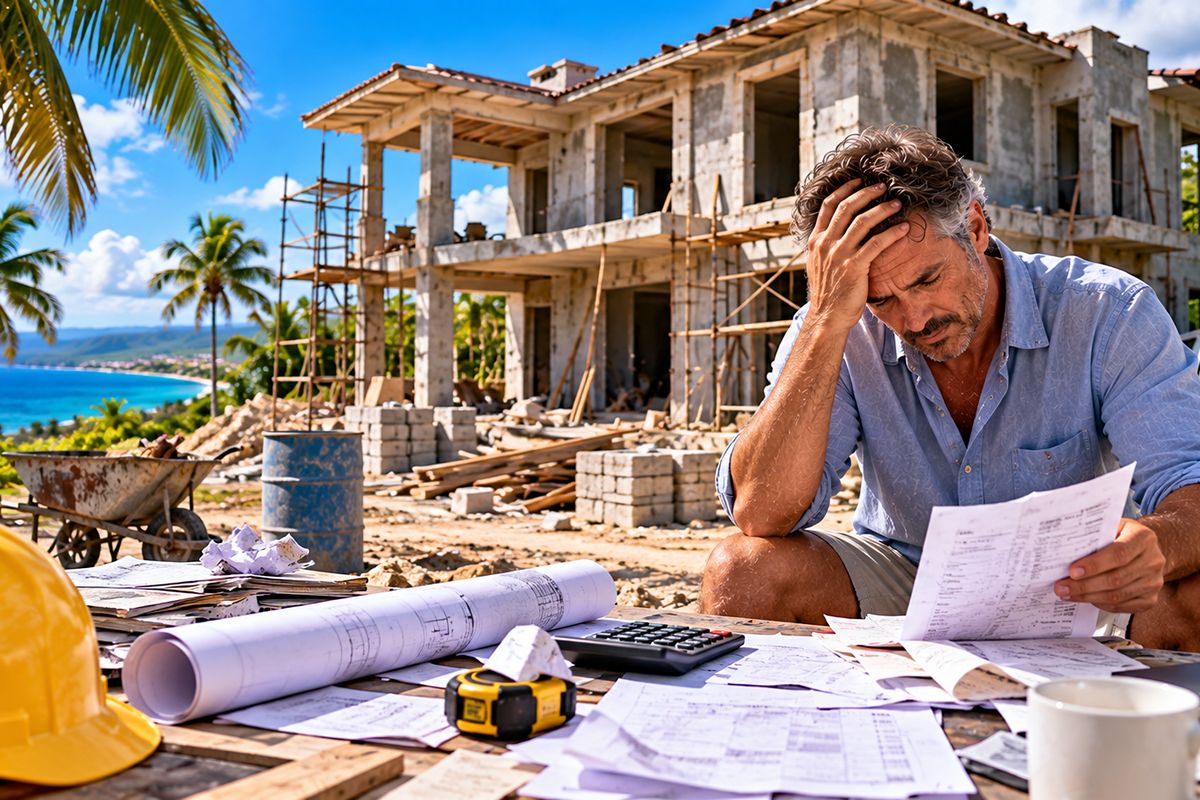
The Cheapest Can Sometimes Become the Most Expensive
Poor waterproofing.
Inadequate drainage.
Inferior electrical work.
Cheap plumbing.
Incorrect pool construction.
Poor-quality windows.
Structural shortcuts.
Problems hidden behind beautiful finishes can be extremely expensive to rectify later.
Ask questions. Inspect previous work. Use qualified professionals. Understand specifications.
And if something seems too good to be true, investigate why.
🤝 Why Your Real Estate Agent Matters — Even After You’ve Bought the Land
A good real estate professional’s involvement shouldn’t necessarily end when you receive the keys or complete on the land.
For international buyers, having someone locally who understands the language, communities, developers, suppliers and the realities of living in the Dominican Republic can make an enormous difference.
At DR Property Guys, our philosophy has always been that real estate is about considerably more than opening a door and showing somebody a property.
Clients frequently need help understanding communities, evaluating options, finding professional services, sourcing furniture, establishing utilities, navigating everyday practicalities and adjusting to life in a new country.
That’s why experience on the ground matters.
🌴 Building More Than a House
Perhaps the most important thing to remember is that this isn’t really about concrete, steel, ceramic tiles or swimming pools.
You’re building the place where your Dominican Republic story will unfold.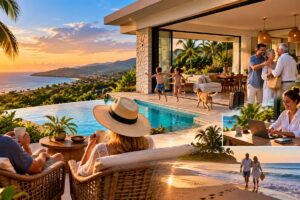
It might become the home where you retire.
The place your children and grandchildren visit.
Your escape from northern winters.
A base from which you finally work remotely.
A property you enjoy for part of the year.
Or simply the place where you wake up one morning, walk outside with a cup of coffee and realize:
“We actually did it.”
Building a home overseas is a major undertaking, and it deserves careful thought, proper due diligence and good people around you.
But when the location is right, the planning is thorough and the team is trustworthy, watching an empty piece of land gradually become your home in the Dominican Republic can be an extraordinary experience.
🇩🇴 Build carefully. Build intelligently. And build for the life you actually want to live.
🏡 Thinking About Buying, Building or Investing in the Dominican Republic?
Whether you’re searching for land for sale in the Dominican Republic, considering a new-build villa in Sosúa, exploring Cabarete real estate, looking at a gated community or simply trying to decide whether buying an existing property or building from scratch makes more sense, we’re happy to help.

Tay & Phil – DR Property Guys
At DR Property Guys, we bring more than 50 years of combined experience living, working and doing business in the Dominican Republic.
That experience goes far beyond real estate.
We understand what it’s like to relocate here, establish a home here, navigate the practicalities of everyday life and make the Dominican Republic genuinely feel like home.
Our objective isn’t simply to sell you a property.
It’s to help you make the right decision.
📞 Contact DR Property Guys Today
Tay: +1 (809) 756-7611
Phil: +1 (809) 707-3598
🎥 And don’t forget to subscribe to the DR Property Guys YouTube channel for property tours, new listings, gated-community guides, lifestyle videos, market updates and insider tips on living, buying, building and investing in the Dominican Republic.
🇩🇴🌴 DR Property Guys — local knowledge, real experience, and more than 50 years of combined life in the Dominican Republic.
Social Links: