

It’s the beginning of December, and all around North America and Europe, the temperature is dropping. Perfect time for a Road Trip to Playa Grande.
Thankfully, we don’t live in either of those places, we live in The Dominican Republic.
That gives us year round options for things to do, and after a visitor came in on Saturday, we decided to put some gas in the truck and head East to Playa Rogelio for lunch and Playa Grande for a swim.
Playa Rogelio, not the most prominently known beach in the area, is located about 1 hour drive from Sosua. There is no signage on the highway, and it’s honestly only through having visited the beach on horse riding excursions over 15 years ago, that later on I remembered about it.
Fast forward to 2020 and there is now a quaint row of restaurants and bars, right on the beach, that serve a variety of seafood, meat and international dishes, along with cold drinks. Our favorite spot to visit is called “Carolina Restaurant” where I have been visiting for almost 3 years now. There is a kitchen side bar and several cana covered kiosks with chairs and benches, pretty much all with amazing ocean views.
So this is not a food blog, but I had to take some pictures of the 4 meals we ordered, as they were all fresh, fantastic and mind-blowingly affordable.
So our order of Lagonstinos (baby lobster), Lambi a la criolla (creole style conch), fried chicken and a whole 2lb fried fish, was both fresh and delicious. Including sides of plantain, sweet potato, chips, rice and beans and salads and a few waters and sodas, the bill only came to RD$2,000 – which is at the current exchange rate only US$35.
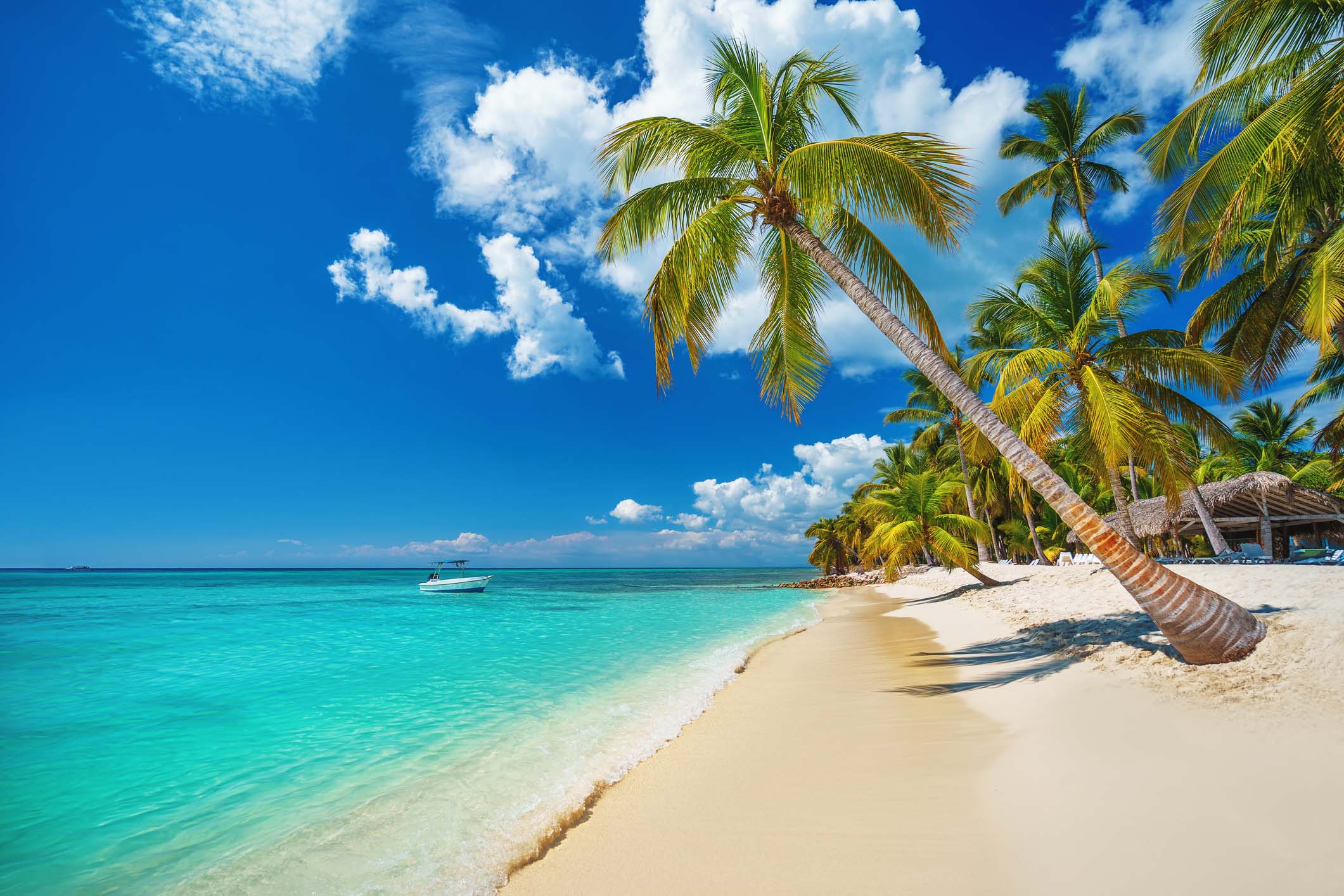
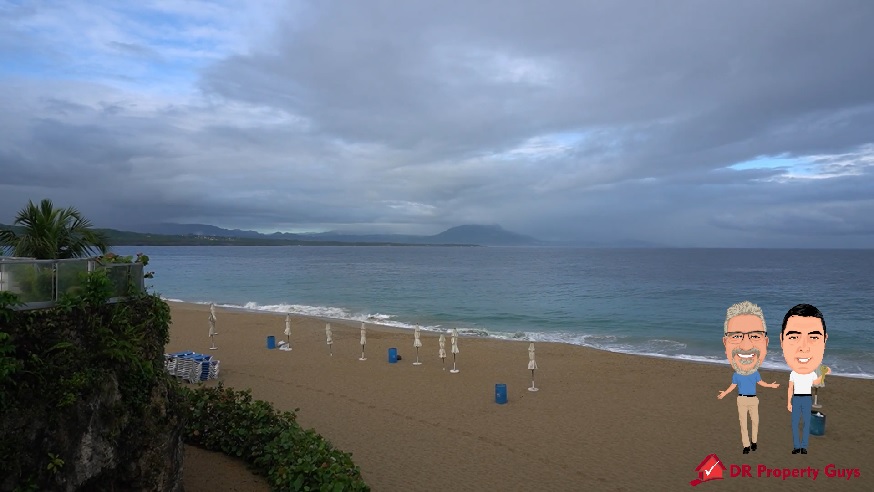
The view here as mentioned earlier, pretty amazing…below are some images of the beach itself.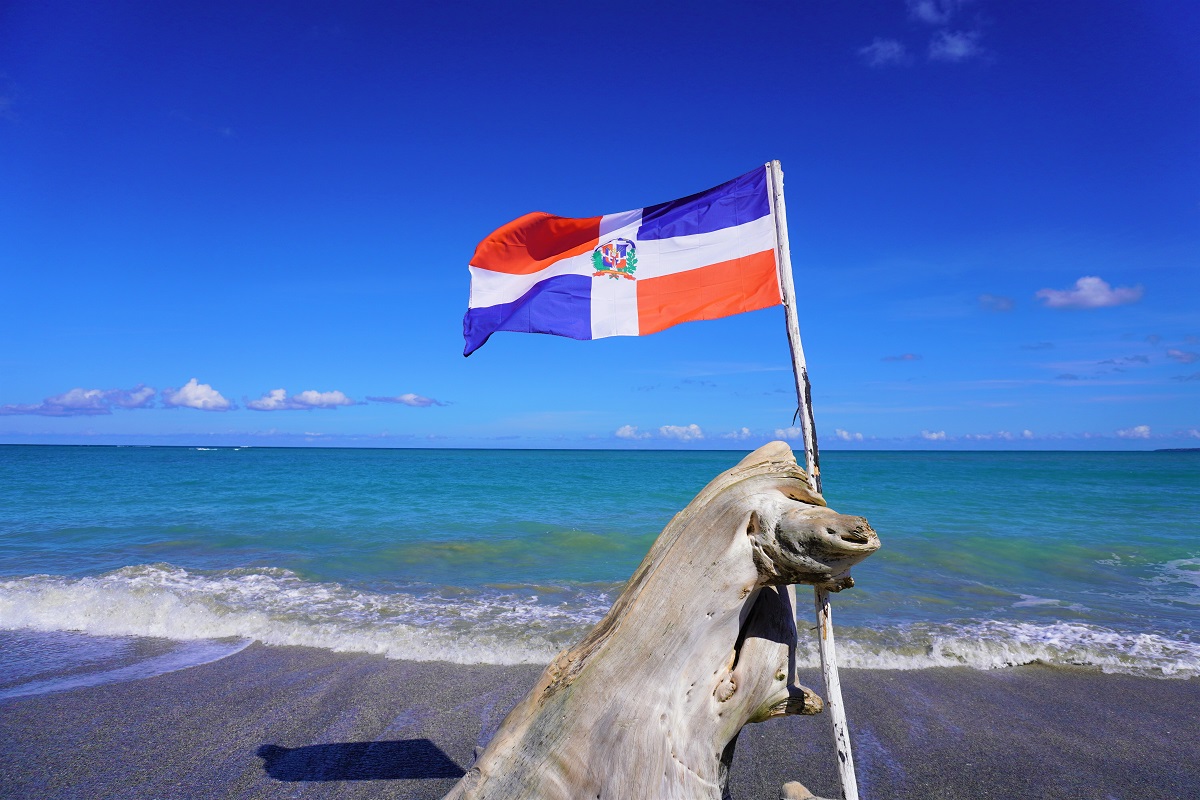
So after we finished our meal we made way to Playa Grande, a 30 minute drive or so, through to the eastern side of Rio San Juan. Now you have probably heard of this place before as it has been subject in recent years to heavy investment from international development groups. As a result, around 9 years ago the beach vendors were moved from one end of the beach to the opposite side. New entrance, kiosks, bars, gift shops and bathrooms were built.
Lavish villas and hotel rooms have been constructed around the golf course and on parts of the beach, and prices allegedly start at the US$1,000 per night mark. Various famous people have reportedly vacationed there in recent years. As we mention, beaches in The Dominican Republic are public and weather you decide to use the Playa Grande facilities or bring your own chairs and food/drink – it’s up to you and your access is guaranteed.
Playa Grande is a perfect beach for walking – it is over 1km long. So back to part II of today’s road trip, a few dips in the ocean and a couple of cold beers with a view to die for.
Then back in the car, and a drive back home before dark. Lovely day was had by all. It’s a road trip we have taken many a client/friend on, and it’s worth it when you want to go and see places new.
Read about more North Coast beaches here in our lifestyle section…
Or take a look on youtube at the video we made Road Trip Playa Grande.
The Process and Laws around Buying Property In The DR.
Introduction:
All property transactions within the Dominican Republic are governed by Law No: 108-5 which has been in place since 2007. To own a property, you must have a Certificate of Title, which is issued by the Title Registry Office. To follow is a guideline of the complete process to keep you informed and properly prepared.
Initial Stages:
Firstly, the process is a little different here in The Dominican Republic. In some countries the practice is to submit a written tender which normally comes from the buyer to the seller, after which the seller formally replies accepting the bid. Here in The Dominican Republic, a written agreement is reached between the buyer and the seller regarding the price, along with a good faith deposit, typically U$500-1,000. If the bid for the property is accepted, the buying process can move forward. If for any reason the bid is rejected, the good faith payment is returned to the buyer. From this point, a binding “Promise of Sale” document is prepared by a lawyer or Public Notary, which is then signed by both parties.
It is always recommended that the buyer retains a lawyer before signing any documents or making a deposit. Due diligence can proceed through the lawyer before preparing and signing the Promise of Sale document, alternatively, the Promise of Sale document can be prepared and signed but with a clause that conditions the purchase of the property subject to due diligence.
The Promise of Sale Document
Important: The promise of sale document is recognized as a formal document and is binding between both parties and agreed and signed in the presence of a Public Notary. The Promise of Sale document is extremely important as it should contain a very detailed description of the complete transaction in its entirety, and should outline the following:
Important: The promise of sale document is of extreme importance and must be prepared professionally and include every aspect of the transaction. As such it is important to have a team around you that you can rely on and not only trust, but that speak, read and write Spanish fluently.
Important Points to remember
Determination and Payment of Transfer and Registry Taxes:
Initiated when the deed of sale document is taken to the Internal Revenue Office and a request is made to appraise the property. Once an inspector has been appointed, the sellers tax records are verified and the property will be appraised and assessed and the property tax applied accordingly. This can take a few days or even weeks depending on the availability of an inspector.
Filing at the Registry of Title:
This stage is completed once the taxes have been paid with supporting documentation, which along with The Deed of Sale and The Certificate of Title (from the seller) can now be deposited at the Title Registry Office. The sale is then registered and a new Certificate of Title is now issued in the name of the buyer. Again this can take either a few days or a few months and is subject to the bureaucracy of the office you are using.
The Importance of Doing Your Due Diligence
Some lawyers and realtors can be anything but diligent which is why the recurring message throughout this article is for you to have confidence and trust in the people around you, we cannot stress this enough. Sometimes deals will be rushed through or pressured because someone is looking for a pay day. DO NOT BE HURRIED INTO ANYTHING! To follow is your due diligence checklist.
Due Diligence Checklist
When Buying a Property that is a Corporation
When Buying a Condominium
When Buying a House
Once the above is in order, the following check list will need to be adhered to and completed by your lawyer.
Lawyer – Check List
Taxes, Legal Fees and General Expenses on Property Transfers
All taxes must be paid and up to date before the purchase is registered at the Title Registry office. Taxes to be paid on the conveyance of the property are normally 3% of the government appraised value. Additional minor expenses can be incurred to cover certified checks, sundry stamps and tips if necessary. Taxes are paid on the official market value of the property determined by government authorities, not on the purchase price agreed between the buyer and the seller.
Generally the tax paid for real estate transactions is between 1 – 1.5% of the gross sale price. Tax breaks are given to properties worth more than a million dollars, and also to properties with a value of U$150,000 or less.
There is an annual tax payment of 1% cumulative to the government assessed value of all property or properties owned by an individual not including furnishings. Real estate tax is due on or before March 11th or with prior agreement, can be paid in two separate installments, the first on March 11th, with the second due on or before September 11th.
Properties with a government assessed value of less than 7,710,158.20 DOP (approximately U$150,000) are exempt with the amount adjusted annually for inflation.
Exemption from Real Estate Tax
The Purchase of Real Estate by Foreigners
There are no restrictions on foreigners purchasing real estate at this time in the Dominican Republic other than the Title registry Office keeping a record of any such purchases.
Inheritance of Real Estate by Foreigners
At this time in The Dominican Republic, there are no restrictions on foreigners inheriting titles to real estate / property. The payment of tax applicable to the inheritance of property has recently been reduced to 3% of the appraised value of the property.
Here in the Dominican Republic there is a law known as “forced heirship” which states that part of the inheritance goes to certain heirs by law, unless a will / testament is made stating otherwise.

Social Links: